无人机配送服务

Search documents
春节假期,长江南京段无人机传递年味——
Nan Jing Ri Bao· 2026-02-26 02:42
Group 1 - The use of drones for delivering goods to ships on the Yangtze River during the Spring Festival has become a new trend, enhancing the convenience for crew members [1][2] - The average daily order volume for drone deliveries has reached 300, with an average order value of around 300 to 400 yuan, primarily consisting of family goods for the holiday [2] - The development of waterway logistics has significantly improved over the past 30 years, transitioning from difficult supply conditions to efficient drone deliveries directly to ship decks [2] Group 2 - The Nanjing Maritime Bureau has implemented 24-hour duty during the Spring Festival to ensure safe navigation and provide assistance to crew members [3] - Nanjing has established five "water delivery" points covering a 50-kilometer section of the Yangtze River, with plans for additional delivery bases to further enhance the convenience of life for crew members [4] - The introduction of the first national waterway low-altitude logistics regulations in 2025 aims to ensure safety in drone delivery operations on the Yangtze River [3][4]
硬科技加持春节物流
Zheng Quan Ri Bao· 2026-02-10 15:41
Core Viewpoint - The logistics industry is preparing for a peak in demand during the upcoming Spring Festival, with major companies implementing strategies to ensure efficient delivery services and enhance customer experience [1][2][4]. Group 1: Logistics Companies' Strategies - Major logistics companies like SF Express, JD Logistics, and YTO Express have announced that they will maintain operations during the Spring Festival, adapting their service fees as necessary [1]. - SF Express has partnered with various well-known restaurants to enhance its "New Year Special Delivery" service, focusing on optimizing delivery for different types of cuisine [2]. - SF Express has established a closed-loop service system connecting transportation hubs, scenic spots, and hotels, with over 500 transportation hubs and 300 scenic spots covered by its luggage delivery service [3]. Group 2: Technological Innovations - Logistics companies are increasing their technological investments across the entire delivery process, from demand forecasting to smart sorting and drone delivery [4]. - SF Express is utilizing drones for delivery, significantly reducing delivery times from 40 minutes to 15 minutes for certain routes, thus improving efficiency by over 60% [4]. - JD Logistics has introduced the industry's first "AI New Year Map," which predicts regional demand based on historical data, allowing for proactive inventory management [5]. Group 3: Market Trends and Consumer Behavior - The logistics sector is witnessing a trend towards quality upgrades, with companies focusing on service enhancement rather than just competing on price and capacity [5]. - The demand for convenient travel options is rising, with services like luggage delivery to hotels becoming popular among travelers [2][3].
不停船也能点外卖 长江外卖插上“飞行翅膀”
Xin Hua She· 2026-02-03 10:34
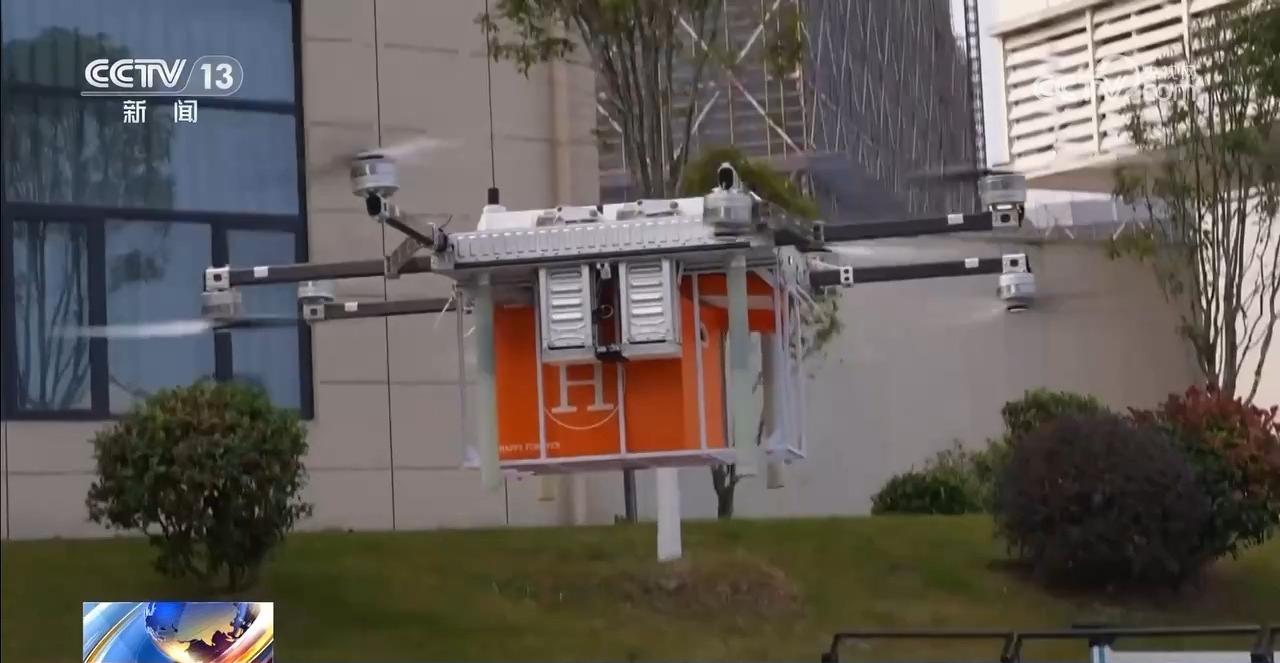
Group 1 - The core idea is that delivery services are now available for ships navigating the Yangtze River, addressing the challenge of resupplying goods while at sea [1] - Due to the complex waterways and currents, cargo ships on the Yangtze cannot dock freely and must stop at designated ports, service areas, and anchorages, making resupply a significant issue for crew members living on board [1] - Drones are being utilized to facilitate precise waterborne logistics, enabling efficient delivery of supplies to ships [3] Group 2 - Currently, there are five drone delivery points along the Nanjing section of the Yangtze River, covering a 50-kilometer stretch and two ship anchorage areas [5]


赋能智慧物流 邮政无人机“飞手”在豫起航
Huan Qiu Wang Zi Xun· 2026-01-12 08:51
Core Viewpoint - The training program for postal drone operators marks a significant step in China's postal service's transition towards smart logistics and low-altitude economic development [1] Group 1: Training Program Details - The first batch of 82 postal couriers from various provinces began their training in Zhengzhou, transitioning from ground delivery to drone operation [1] - The training program is conducted by Jiafei Aviation Academy and lasts for 22 days, incorporating a three-part teaching model of theory, practical application, and scenario-based training [1] - The program includes over 100 class hours tailored to meet logistics delivery needs, ensuring participants can obtain their drone operator licenses and quickly transition to practical roles [1] Group 2: Industry Impact - This initiative is part of China Post's strategy to inject talent into the low-altitude economy and create a model for the traditional logistics industry to evolve into a smarter framework [1] - The trained operators, referred to as "seed pilots," will facilitate the regular operation of drone deliveries across the country, marking the entry of China Post's express services into the "intelligent era" [1] - The deployment of certified drone operators is expected to enhance the quality and efficiency of delivery services for households nationwide [1]
沃尔玛(WMT.US)携手谷歌(GOOGL.US)旗下Wing公司 大举扩张无人机配送业务
智通财经网· 2026-01-12 00:21
Core Insights - Walmart is significantly expanding its drone delivery service in collaboration with Wing, aiming to reach tens of millions of consumers across the U.S. [1] - The retail giant plans to add drone delivery services at over 150 stores nationwide within the next year, with a target of exceeding 270 delivery points by the end of 2027 [1] - The expansion will enhance Walmart's previous limited service coverage, which was only piloted in a few markets like Dallas-Fort Worth and Atlanta [1] Summary by Sections Expansion Plans - Walmart's drone delivery service, initially launched in Texas in 2022, will expand to new markets including Los Angeles, Houston, Cincinnati, St. Louis, and several cities in Florida next year [2] - The service is expected to benefit over 40 million Walmart consumers, a significant increase from the current coverage of only a few million [1] Service Details - Wing's drones can carry packages weighing up to 5 pounds and can fly several miles, delivering goods directly to customers' homes [2] - Walmart+ members will receive free drone delivery, while non-members will incur delivery fees per order [2] Industry Context - Other retailers and tech companies, such as Amazon and DoorDash, have also explored drone delivery, but progress has varied due to regulatory, weather, safety, noise, and privacy concerns [1] - Recent changes in U.S. aviation regulations may ease restrictions on "beyond visual line of sight" drone operations, potentially enhancing the economic viability and scalability of drone delivery services [1]

迈向“十五五”美丽图景|应用场景“上新”低空经济“飞”出新高度
Yang Shi Wang· 2026-01-03 23:09
Core Viewpoint - Jiangxi province is leveraging its successful drone logistics practices in Ganzhou Nankang to expand its low-altitude economy, creating a comprehensive operational network that spans various applications from logistics to tourism and emergency rescue [1][5]. Group 1: Low-altitude Economy Development - Jiangxi is recognized as a pioneer in low-altitude airspace management reform and is actively promoting the low-altitude economy from localized initiatives to a broader implementation [1]. - The province aims to enhance low-altitude manufacturing and applications, projecting an economic growth boost exceeding 200 billion yuan by 2026 [6]. Group 2: Policy Support and Infrastructure - A series of supportive policies at the national level, including a directive from the State Council, are guiding the orderly expansion of low-altitude economic applications and encouraging private investment in infrastructure [5]. - Jiangxi has established a unified low-altitude meteorological data sharing platform, integrating data from various sectors to support the development of a comprehensive low-altitude economic service platform [6]. Group 3: Market Potential - The low-altitude economy is included in the "14th Five-Year Plan," with supportive policies enacted across 31 provinces, indicating a significant market potential estimated to reach 6.7025 trillion yuan by 2024 and 15 trillion yuan by 2025 [7]. - The collaborative efforts of policies and practical applications are creating a "dual-spiral" growth structure that drives the development of the low-altitude economy [8].
科技新贵为何扎堆去中东?
2 1 Shi Ji Jing Ji Bao Dao· 2025-12-17 09:26
Core Insights - The trend of Chinese technology companies entering the Middle East market is growing, with many opting for joint ventures with local firms to minimize localization costs [1][12] - The UAE, particularly Dubai, is becoming a significant hub for investment and development, especially in sectors like tourism, digital economy, and artificial intelligence [2][12] Group 1: Market Opportunities - The Middle East is seen as a lucrative market due to its strong purchasing power and profitability, with Saudi Arabia and the UAE being the most popular destinations for Chinese enterprises [7] - The UAE's logistics market is projected to exceed $20 billion, driven by e-commerce and cross-border trade, with a steady growth rate of 6-8% annually [8] - Saudi Arabia's Vision 2030 aims to diversify its economy away from oil, creating new demands in construction, tourism, and manufacturing, attracting Chinese companies [9][10] Group 2: Company Activities - Chinese companies like 9Sight Intelligent and others are actively participating in local exhibitions and forming partnerships, such as the joint venture AutoLogiX with 7X Group for urban logistics [4][5] - Companies like Lalamove and Meituan Keeta are expanding their operations in the UAE, with Keeta already establishing multiple drone delivery routes in Dubai [8][13] - The presence of Chinese internet and e-commerce companies is increasing, with local consumers adopting platforms like Temu and Shein for their affordability [8] Group 3: Industry Trends - The integration of advanced technologies such as AI, robotics, and autonomous vehicles is gaining traction in the Middle East, with local governments showing openness to innovative tech applications [12][13] - The AI market in the UAE is expected to reach $46 billion by 2030, with a significant portion of local businesses maintaining or increasing their AI investments [12] - The initial stage of Chinese companies' expansion into AI and robotics in the Middle East is characterized by limited applications and a focus on pilot projects [11]
从“路网”到“空网”:闪送携手杭州编织下一代城市无人配送网络
3 6 Ke· 2025-12-15 06:22
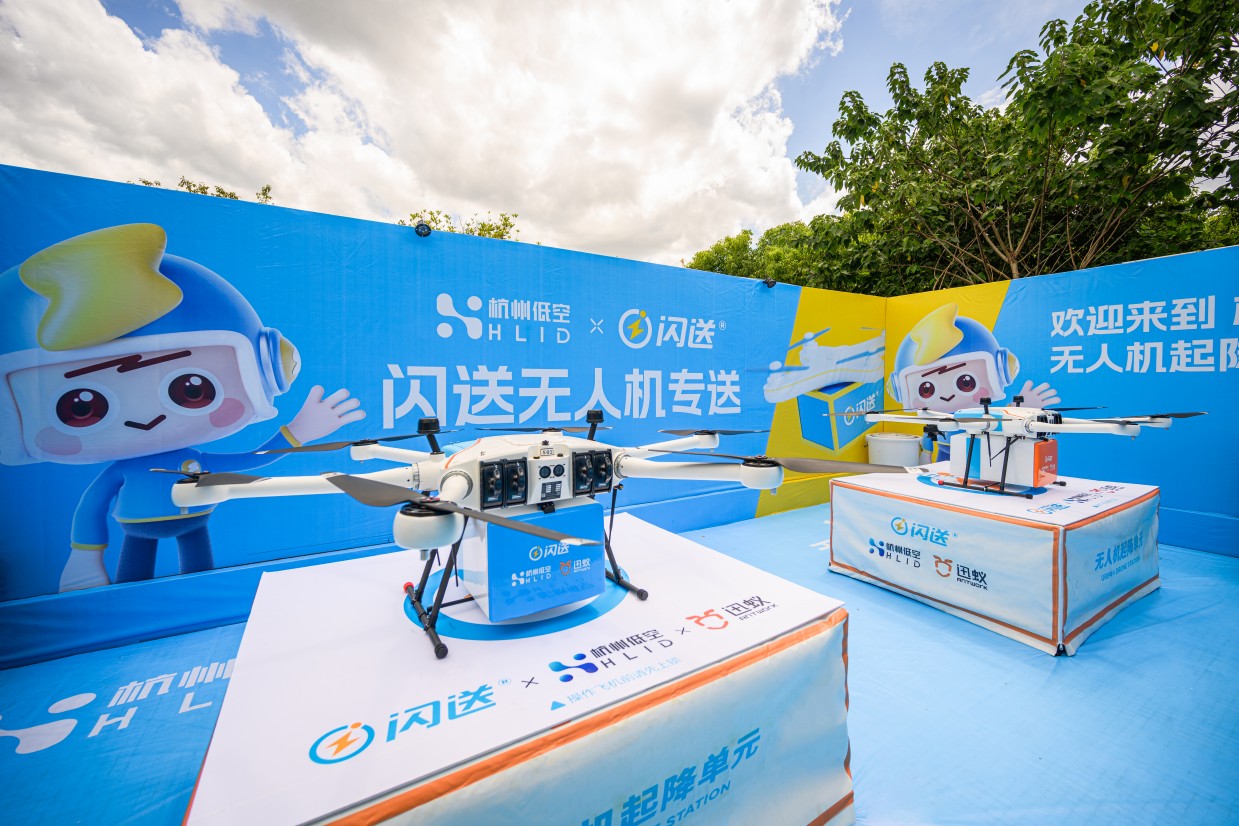
Core Insights - The low-altitude economy is rapidly developing as a key component of new productive forces under the guidance of the technology-driven national strategy [1] - Flash Delivery (Nasdaq: FLX) is actively responding to national calls by innovating through drone delivery, enhancing user experience with faster, safer, and higher-quality services [1][3] - A city-level low-altitude logistics delivery solution has been successfully implemented in Hangzhou, entering the commercialization verification phase [1][3] Industry Overview - Low-altitude logistics is emerging as a viable solution to traditional ground delivery challenges, particularly for long-distance orders, peak congestion, fragile items, and urgent documents [3] - The solution is based on a "government-led, market-operated, multi-party collaboration" principle, integrating low-altitude infrastructure, delivery demand, and intelligent drone capacity [3][4] Company Strategy - Flash Delivery's low-altitude logistics solution includes four core modules: infrastructure construction, delivery demand access, capacity supply integration, and an operational management platform [3] - The company leverages its extensive user base and big data capabilities to enhance delivery efficiency and provide real-time operational support [6] Operational Achievements - The initial flight routes have been launched with zero flight anomalies and zero safety incidents, demonstrating the technical feasibility and operational reliability of urban low-altitude logistics [4] - Flash Delivery has accumulated significant data resources and scheduling experience over 11 years, covering 298 cities and over 300 million certified couriers [6] Future Plans - By the end of 2025, Flash Delivery aims to establish a city-level low-altitude logistics network in Hangzhou, providing a replicable success model for national low-altitude economic development [8]

视频丨低空物流城市乡村“两端发力” 解决传统物流难题
Yang Shi Xin Wen Ke Hu Duan· 2025-12-03 01:12
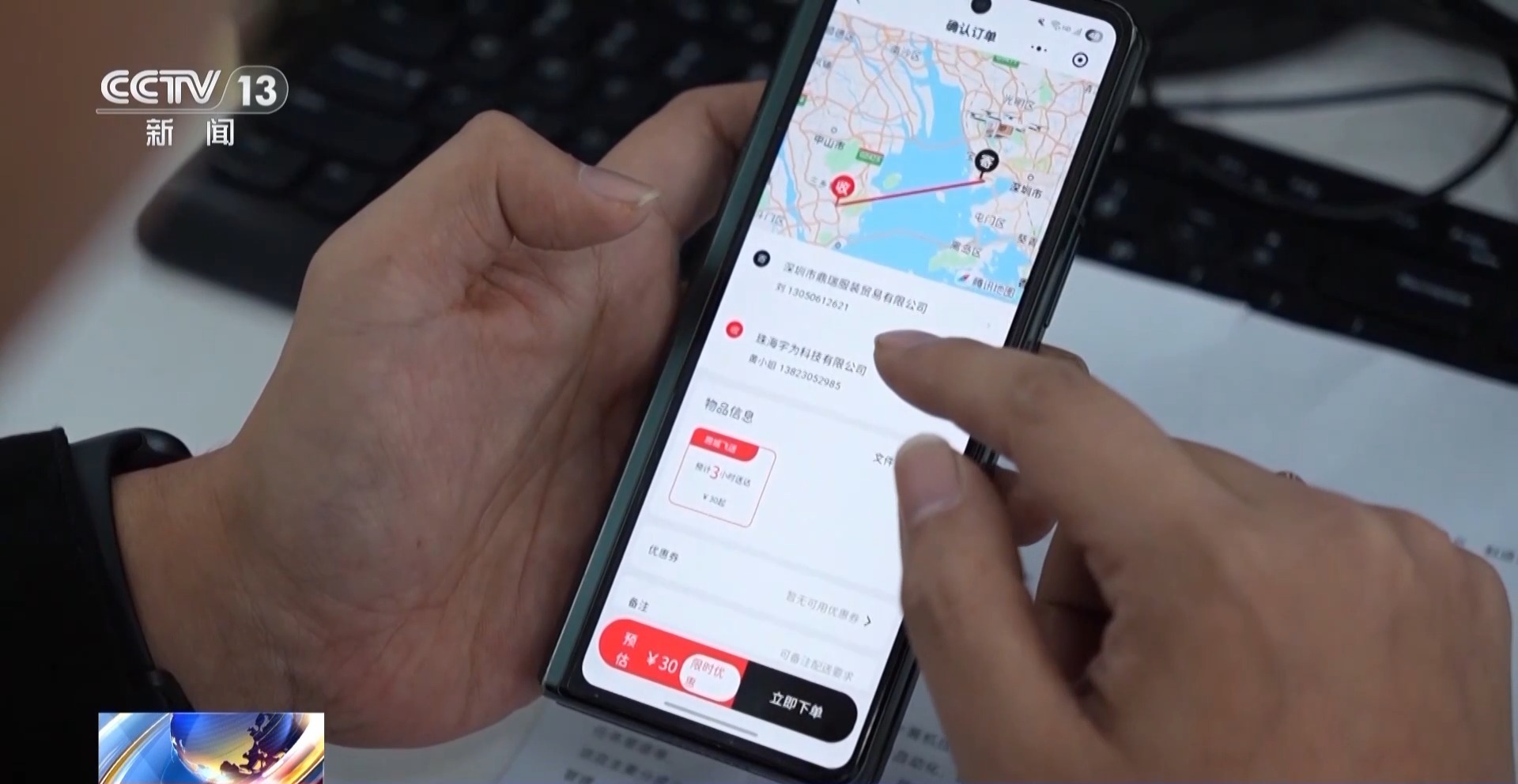
Group 1 - The core point of the article highlights that China's express delivery business volume has exceeded 180 billion packages as of November 30, marking a historical high, driven by the expansion of service networks and the application of smart logistics technologies [1][2]. - The successful delivery of the 180 billionth package in Shenzhen demonstrates the full automation of the delivery process, showcasing advancements in smart logistics and the normalization of low-altitude logistics operations in major urban areas [2][4]. - The implementation of drone delivery services is gaining traction, with consumers actively choosing this option for its efficiency, as evidenced by the experiences of local residents who utilize drone services for both personal and business needs [6][12]. Group 2 - In rural areas, drones are not only enhancing delivery speed but also providing essential services, such as delivering meals to elderly residents, thereby contributing to rural revitalization efforts [17][19]. - The establishment of standardized drone takeoff and landing points in rural regions has significantly improved the transportation of agricultural products, allowing farmers to efficiently reach markets [27][29]. - The expansion of drone delivery routes in Zhejiang province, with over 60 operational lines, indicates a growing trend towards integrating drone logistics into various sectors, including medical delivery and emergency services [29][30]. Group 3 - The development of a dual approach in drone logistics is evident, with urban areas focusing on high-efficiency delivery and rural regions addressing logistical challenges posed by geography [30][34]. - The current landscape shows that over 300 drones are in operation across the country, having delivered more than 3 million packages, reflecting the increasing adoption of drone technology in logistics [32][34]. - Experts suggest that the future of drone logistics will involve a more integrated "ground-air" transportation system, requiring advancements in regulations, technology, and public acceptance to fully realize its potential [38][40].
低空物流城市乡村“两端发力” 解决传统物流难题
Yang Shi Xin Wen Ke Hu Duan· 2025-12-03 00:41
Core Insights - The express delivery business in China has surpassed 180 billion packages as of November 30, marking a historical high, driven by the expansion of service networks and the application of smart logistics technologies [1][2]. Group 1: Urban Logistics and Technology - The completion of the 180 billionth package in Shenzhen highlights the full automation of the delivery process, showcasing advancements in smart logistics and the normalization of low-altitude logistics operations in major urban areas [2][14]. - Shenzhen has opened multiple drone routes connecting the Guangdong-Hong Kong-Macao Greater Bay Area, enhancing regional connectivity and efficiency in logistics [2][14]. - The use of drones for delivery is becoming increasingly popular among consumers, with options available for selecting drone delivery services based on package characteristics [6][12]. Group 2: Rural Logistics and Community Impact - In rural areas, drones are not only improving delivery speed but also enhancing community welfare by providing essential services, such as meal delivery to elderly residents [18][20]. - The establishment of standardized drone takeoff and landing points in rural regions has significantly improved the transportation of agricultural products, reducing delivery times and increasing online orders [24][26]. - Zhejiang province has opened over 60 drone delivery routes, with plans for further expansion into medical delivery and emergency services [26]. Group 3: Challenges and Future Developments - The integration of drone logistics into a comprehensive ground-air transport system faces challenges such as endurance, airspace management, and regulatory frameworks [27][33]. - The current drone delivery model requires consumers to wait at designated locations, indicating a need for further development in last-mile delivery solutions [35]. - Future advancements may include the collaboration of drones with autonomous vehicles to create a multi-modal delivery network, enhancing service capabilities and addressing regulatory and public acceptance issues [31][33].