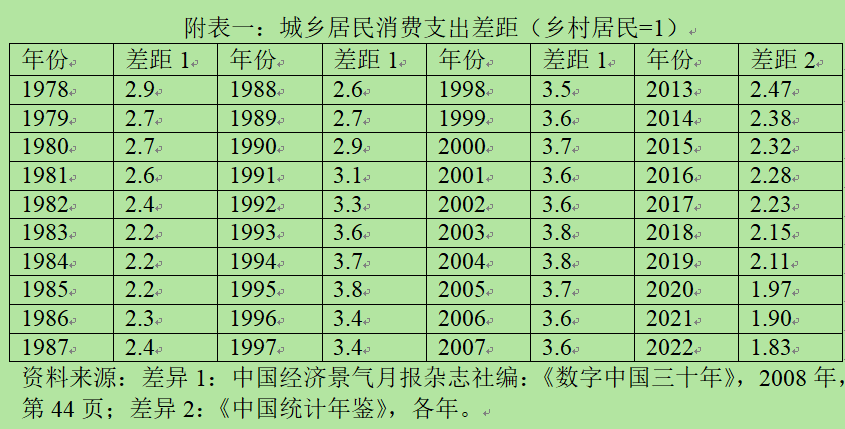
城乡二元体制

Search documents
刘尚希:AI“抢饭碗”或成现实?社会必须为每个人的基本生活“兜底”!
新浪财经· 2026-01-15 09:32
Core Viewpoint - The article emphasizes the concept of "common prosperity" as a new development paradigm for China, highlighting the need for a shift from material wealth distribution to human development and capability enhancement [3][4][6]. Group 1: Common Prosperity as a New Paradigm - Common prosperity is framed as a theoretical challenge that requires a transformation in development paradigms, focusing on human capabilities rather than just material wealth [3][6]. - The article argues that reducing income disparity is essential for expanding domestic demand, linking it to the enhancement of individual capabilities and opportunities [3][4]. Group 2: Human-Centric Development - The central government has shifted its focus towards investing in people alongside material investments, reflecting a deeper understanding of development that prioritizes human needs [4][6]. - The article stresses that addressing disparities in knowledge, skills, and opportunities is crucial for achieving common prosperity, as these disparities are often systemic and not merely individual [3][6]. Group 3: Efficiency and Fairness - The relationship between efficiency and fairness is re-evaluated, proposing a "fusion theory" that suggests enhancing human capabilities can simultaneously improve efficiency and promote fairness [7][8]. - The article highlights the importance of setting fair expectations for distribution, emphasizing that perceived opportunities for wealth distribution are as significant as actual outcomes [8][9]. Group 4: Ensuring Basic Fairness - To ensure basic fairness, the article identifies four essential areas: nutrition, education, health, and housing, which need to be addressed to prevent widening disparities [9][10]. - It argues that while acknowledging existing disparities, the focus should be on encouraging innovation and rewarding creative contributions rather than merely labor [9][10]. Group 5: Challenges in Achieving Common Prosperity - The article outlines three major challenges in addressing the farmer issue, which is pivotal for achieving common prosperity: the dual market economy, social identity barriers, and the dual ownership system [10][11]. - It emphasizes the need for a paradigm shift from wealth accumulation to knowledge accumulation, advocating for a combination of investments in both material and human capital [11][12].


刘尚希最新演讲:在多劳多得基础上要鼓励创新竞争,提倡创新者多得
Xin Lang Cai Jing· 2026-01-15 03:01
Group 1 - The core theme of the forum is "New Growth Paradigm and Shared Prosperity" focusing on the concept of common prosperity as a new development paradigm for China [1][11] - Common prosperity is viewed as a theoretical challenge that requires a shift in development paradigms, emphasizing human development over mere material wealth [3][14] - The discussion highlights the need to reduce income disparities and expand domestic demand, linking these goals to the enhancement of individual capabilities and addressing systemic issues [3][4][14] Group 2 - The concept of common prosperity challenges traditional development paradigms, suggesting that wealth accumulation should be linked to knowledge and capability enhancement rather than just material wealth [5][16] - The relationship between efficiency and equity is explored, proposing a new integration that enhances both aspects through human development [6][17] - The need for a bottom-line fairness approach is emphasized, advocating for a focus on basic needs such as nutrition, education, health, and housing to prevent widening disparities [19][20] Group 3 - The forum addresses the dual structure of the economy, particularly the urban-rural divide, and the need for reforms to bridge this gap [8][20] - The challenges faced by farmers, who constitute a significant portion of the population, are identified as critical to achieving common prosperity [20] - The discussion includes the necessity of transforming the ownership structure from a focus on property rights to one centered on usage rights, particularly in the context of digitalization and economic financialization [20][21]
优化最低工资制度,重新设定保护对象
Di Yi Cai Jing· 2025-09-03 12:17
Core Viewpoint - The adjustment of the minimum wage protection target to families living and working in urban areas is beneficial for increasing labor income's share in primary distribution, addressing insufficient demand, and facilitating the urbanization of migrant worker families [1][17]. Group 1: Minimum Wage System Background - The current minimum wage system in China was established in the early 1990s, initially protecting urban residents' families but later shifting to include migrant worker families due to urban-rural dualism [1][2]. - The ratio of minimum wage to average wage in various provinces was initially above 50% in 1994 but has since dropped to about one-third in the 21st century [2][3]. Group 2: Urban-Rural Dualism and Its Impact - The contradiction between the minimum wage system and the urban-rural dualism has led to a significant decline in the minimum wage's share of average wages [3][4]. - The urban-rural dualism allowed migrant workers to work in cities while their families remained in rural areas, creating disparities in living expenses and income levels between urban residents and migrant worker families [3][4]. Group 3: Changes in Economic and Social Context - Significant changes in education, such as the expansion of university enrollment and adjustments in compulsory education, have influenced rural families' aspirations for urban living [11][12]. - The Chinese government's push for urbanization has led to a need for increased income for migrant worker families, necessitating a shift in the minimum wage protection target [13][16]. Group 4: Labor Market Dynamics - The labor market has seen a shift in the supply-demand dynamics for blue-collar workers, with a decrease in younger migrant workers and an increase in older workers [14][15]. - The current labor market conditions suggest that a significant increase in minimum wage could be feasible, given the balance between supply and demand for blue-collar labor [17]. Group 5: Implications of Adjusting Minimum Wage Protection - Changing the minimum wage protection target to families living and working in urban areas is expected to lead to a substantial increase in minimum wage levels [17]. - This adjustment aims to enhance labor income's share in primary distribution, address demand issues, and support the urbanization of migrant worker families, although it requires careful planning and gradual implementation [17].