
城市文化建设

Search documents
学术探讨|城市文化建设驱动城市高质量发展的路径
Xin Lang Cai Jing· 2026-02-13 22:46
Core Viewpoint - The article emphasizes the importance of high-quality urban development as a key task in building a modern socialist country, highlighting the need for a shift from traditional economic growth to a focus on cultural enrichment and quality of life [1]. Group 1: Urban Development and Cultural Integration - Urban development should transition from a capital-driven model to one that prioritizes social connections and cultural values, integrating socialist core values and traditional Chinese culture into urban planning and governance [2]. - Establishing a "cultural pre-positioning" planning mechanism is essential, as seen in Beijing's urban planning that prioritizes historical and cultural preservation [2]. - Implementing a "cultural health check" evaluation system can help monitor public cultural facilities and their usage, influencing government performance assessments and funding allocations [2]. Group 2: Cultural Identity and Community Engagement - The core competitiveness of cities is rooted in cultural identity, which fosters a sense of pride and belonging among residents through shared history and public life [3]. - Initiatives like the "City Memory Preservation Plan" in Nanjing aim to collect and digitize historical materials to enhance community engagement [3]. - Events such as the Harbin Ice and Snow Festival and Qingdao International Beer Festival serve as platforms for cultural recognition and community bonding [3]. Group 3: Cultural Innovation and Economic Development - Cultural integration can drive industrial transformation and social harmony, balancing traditional and modern values while enhancing economic and social benefits [4]. - Strategies like the "Cultural+" industry integration in Xi'an leverage historical cultural IP to stimulate the night economy and related sectors [4]. - Sustainable activation of historical heritage, as demonstrated by the transformation of Beijing's Shougang Park, showcases the potential for cultural resources to contribute to urban development [4]. Group 4: Systematic Approach to Urban Quality - High-quality urban development requires a systematic approach that combines hard infrastructure with the soft power of culture, ensuring a harmonious blend of historical context and contemporary spirit [4]. - Institutional planning, innovative practices, and inclusive cultural services are vital for achieving a resilient, attractive, and sustainable urban future [4].
坚持民生为大
Xin Lang Cai Jing· 2026-01-26 23:13
Core Viewpoint - The importance of improving people's livelihoods is emphasized as a fundamental value in the new development journey, with a focus on equitable, balanced, inclusive, and accessible public services [1][2][3] Group 1: Basic Livelihood Security - The strategy prioritizes employment, aiming to stabilize and expand job opportunities for key groups and support entrepreneurship [1] - A dual housing system will be established to meet the rigid housing needs of wage earners [1] - A layered social assistance system will be improved, enhancing elderly care services and support for vulnerable children [1] Group 2: Public Service Supply - The focus is on optimizing educational resources and promoting high-quality development in early childhood and compulsory education [2] - A collaborative healthcare mechanism will be innovated to enhance the service capacity of grassroots medical institutions [2] - Long-term care insurance and pilot programs for non-accompanied care services will be implemented [2] Group 3: Rural Revitalization - Continuous efforts will be made to consolidate and expand poverty alleviation achievements through regular and precise assistance [2] - Agricultural policies will be enhanced to improve rural industry development, construction, and governance [2] - Infrastructure and public service improvements in rural areas will be prioritized [2] Group 4: Cultural Development - The initiative aims to enhance urban cultural construction and meet the higher expectations of the public for cultural life [2] - Promotion of socialist core values and the establishment of a reading culture will be emphasized [2] - Protection of minors online and the development of various cultural resources will be prioritized [2] Group 5: Implementation of Livelihood Projects - The focus is on addressing the public's concerns through the implementation of ten key livelihood projects, including education and employment services [3] - Continuous efforts will be made to respond to the needs of the people, ensuring that development is meaningful and driven by the public [3] - The commitment to improving the quality of life for citizens will be a driving force for collective progress [3]
苏州河边的年轻色彩
Xin Lang Cai Jing· 2026-01-13 00:13
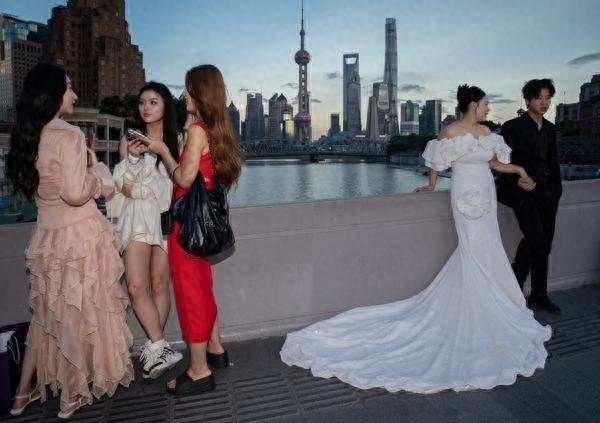
Core Viewpoint - The transformation of the Suzhou River area in Shanghai has significantly improved the urban environment, attracting a younger demographic for recreational activities and social interactions, thus reshaping the city's cultural landscape [2][3][5]. Group 1: Urban Development and Environmental Improvement - The Suzhou River has undergone comprehensive governance since 1997, resulting in a substantial enhancement of water quality and the surrounding environment, transitioning from an "industrial rust belt" to a "lifestyle showcase" [5][7]. - By the end of 2020, 42 kilometers of public space along the central urban section of the Suzhou River were opened to the public, allowing residents to engage with the river and its surroundings [7][9]. - The area has been revitalized with green pathways, squares, and gardens, hosting various artistic, sports, and community activities, transforming the riverbank into a communal space [7][9]. Group 2: Social and Cultural Impact - The revitalization of the Suzhou River has led to a shift in lifestyle, with more young people engaging in activities such as running, socializing, and live streaming along the riverbank [9][11]. - The river has become a popular spot for both locals and tourists, serving as a backdrop for personal milestones and social media content, thus enhancing its cultural significance [11][13]. - The Suzhou River now embodies a blend of historical industrial heritage and contemporary urban life, fostering a vibrant community culture that intertwines personal stories and collective memories [13].

“文化+”让城市更美好(市场漫步)
Ren Min Ri Bao· 2025-12-09 22:32
Group 1 - The core idea emphasizes the importance of cultural prosperity in nurturing urban essence and shaping city temperament, highlighting the integration of culture with various industries for sustainable urban development [1][2][3] - Urban cultural construction should focus on preserving historical context and spiritual roots, balancing urban development with cultural heritage protection to revitalize old neighborhoods and buildings [2][3] - The unique urban characteristics and spirit are essential for a city's identity, requiring scientific planning to harmonize functional needs with aesthetic values in urban design [2][3] Group 2 - Enriching spiritual life and conveying humanistic warmth are crucial for urban cultural development, aiming to meet the new expectations of citizens through diverse cultural activities [3] - The vitality of a city is derived from economic growth and cultural nourishment, necessitating the deep integration of cultural roots into urban development for sustained growth [3]
西班牙媒体:巴塞罗那何以成为“文学之都”
Huan Qiu Shi Bao· 2025-12-08 22:38
Core Insights - Barcelona will participate as the guest city at the 2025 Guadalajara International Book Fair, showcasing its cultural heritage and innovation in literature [1] - The city has been recognized as a "City of Literature" by UNESCO for 10 years, highlighting its strong publishing industry and commitment to promoting reading [1] Group 1: Cultural Initiatives - A new literary map of Barcelona will debut at the book fair, serving as a link between literary history and contemporary readers [1] - The city has a sustainable cultural development system, including the "2024 Global Best Public Library" and annual events like the Sant Jordi Day book festival [1][2] - The "Cosmopolis" International Literary Festival, established in 2002, has attracted international literary figures, reinforcing Barcelona's status as a center for Spanish-language publishing and thought [1] Group 2: Reading Promotion Policies - Barcelona's cultural policy emphasizes promoting reading through various events and initiatives, such as the Catalan Language Book Week and the Art Book Fair [2] - The "Barcelona 2030 Library Master Plan" aims to ensure citizens' rights to reading, writing, and public expression through a comprehensive library network and digital platforms [2] - The city government supports literary creation through funding programs and innovative public space projects that highlight the works of authors connected to Barcelona [2] Group 3: Economic and Cultural Impact - Barcelona is attracting investment and international talent, transforming its cultural influence into diverse collaboration opportunities [2] - The city exemplifies how institutional support, public participation, and an open approach can turn literature and culture into a driving force for urban development and international cooperation [2]