
城市艺术

Search documents
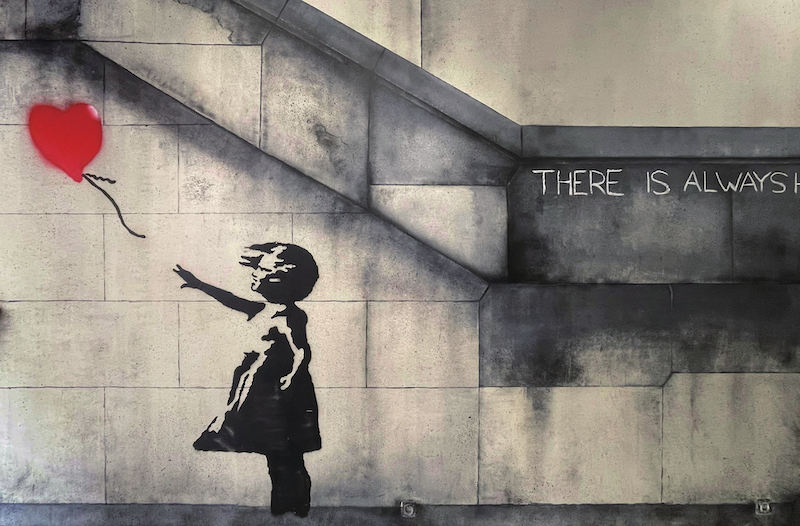
当我们爱上涂鸦的时候,我们爱它的什么|书摘
Di Yi Cai Jing· 2025-10-22 06:38
Core Perspective - The article discusses the evolution and significance of graffiti and street art, highlighting its roots in urban culture and its growing acceptance in the mainstream art market [1][4][11] Group 1: Historical Context - Graffiti originated in the 1960s and 1970s in the United States, closely linked with hip-hop culture and street life, evolving from simple signatures to complex artistic expressions [1][4] - The book "Graffiti City" by Zhao Sijia serves as a historical account of street art, emphasizing its importance in contemporary art and its often overlooked place in art history [1][11] Group 2: Artistic Expression - Street artists create works that reflect a wide range of emotions and messages, often engaging with political themes and personal narratives, making their art accessible to the public [2][5] - The allure of graffiti lies in its spontaneous nature, allowing for immediate emotional connections without the barriers of traditional art venues [2][5] Group 3: Market Dynamics - The mainstream art market has begun to embrace street art, leading to a shift in attitudes from galleries and museums, which previously dismissed these forms of expression [4][5] - Despite the growing recognition, most street artists continue to struggle financially, relying on passion and ideals rather than commercial success [5][9] Group 4: Research and Development - The author conducted extensive research in cities like Paris and San Francisco, examining policies and community responses to street art, which has informed the understanding of its role in urban environments [6][8][9] - The research highlights the balance between personal expression and public management, suggesting that cities can benefit from integrating street art into their cultural landscapes [9][11]

共振·生长——2025石家庄青年艺术邀请展
Jing Ji Guan Cha Bao· 2025-09-06 02:13
Core Insights - The article highlights the transformation of Shijiazhuang from a small village to a bustling metropolis, driven by the development of transportation infrastructure [1] - It emphasizes the role of 44 local artists who contribute to the cultural narrative of the city through their artworks, showcasing the evolution of Shijiazhuang [1] Exhibition Details - The exhibition runs from August 16 to September 7 [2] - It is located at the Shijiazhuang Art Museum, situated in the Yansheng Park area of Qiaoxi District [2] Artistic Contributions - The exhibition features 67 pieces of artwork that reflect the artists' personal stories and the city's dynamic changes [1] - The artworks include traditional painting, calligraphy, and innovative designs, representing the local culture and landscape [1] Exhibition Experience - The exhibition is designed to create a cohesive experience, integrating lighting adjustments, interpretative texts, and discussions around the artworks [1] - This approach aims to connect individual pieces into a larger narrative about the city's past and present [1]