街头艺术

Search documents
全球限量1000台、明年1月发售,smart #3 Keith Haring艺术特别版亮相广州
Zhong Guo Jing Ji Wang· 2025-11-24 08:47
Core Viewpoint - The smart brand is launching a limited edition vehicle in collaboration with artist Keith Haring, aiming to blend art and automotive design, appealing to young consumers with a unique and artistic identity [2][10]. Group 1: Product Launch - The "smart 3 Keith Haring Art Special Edition" was unveiled at the "smart×Keith Haring Street Art Paradise" event in Guangzhou, featuring a price point in the 200,000 RMB range and a global limit of 1,000 units [2][10]. - The vehicle is based on the smart 3 long-range version and incorporates 12 iconic artistic elements, including a unique "Art Soul Badge" and embroidered headrests [5][8]. Group 2: Performance and Design - The new model features a sporty design with 19-inch wheels and a sleek silhouette, while maintaining a balance between performance and comfort with a 66 kWh battery offering a CLTC range of 555 km [8][10]. - The interior design includes high-quality materials and artistic touches, enhancing the overall user experience [8]. Group 3: Brand Philosophy and Market Positioning - The collaboration with Keith Haring reflects a shared ethos of openness and creativity, appealing to young, trendsetting consumers who view the vehicle as a "mobile artwork" [10][11]. - Smart aims to position itself as a leading luxury smart electric vehicle brand, with a strategic focus on global expansion and innovative user experiences [11].


当我们爱上涂鸦的时候,我们爱它的什么|书摘
Di Yi Cai Jing· 2025-10-22 06:38
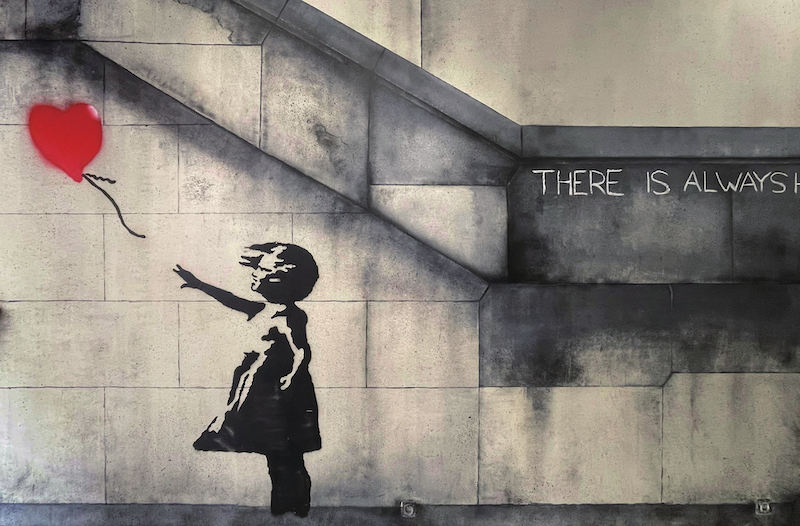
Core Perspective - The article discusses the evolution and significance of graffiti and street art, highlighting its roots in urban culture and its growing acceptance in the mainstream art market [1][4][11] Group 1: Historical Context - Graffiti originated in the 1960s and 1970s in the United States, closely linked with hip-hop culture and street life, evolving from simple signatures to complex artistic expressions [1][4] - The book "Graffiti City" by Zhao Sijia serves as a historical account of street art, emphasizing its importance in contemporary art and its often overlooked place in art history [1][11] Group 2: Artistic Expression - Street artists create works that reflect a wide range of emotions and messages, often engaging with political themes and personal narratives, making their art accessible to the public [2][5] - The allure of graffiti lies in its spontaneous nature, allowing for immediate emotional connections without the barriers of traditional art venues [2][5] Group 3: Market Dynamics - The mainstream art market has begun to embrace street art, leading to a shift in attitudes from galleries and museums, which previously dismissed these forms of expression [4][5] - Despite the growing recognition, most street artists continue to struggle financially, relying on passion and ideals rather than commercial success [5][9] Group 4: Research and Development - The author conducted extensive research in cities like Paris and San Francisco, examining policies and community responses to street art, which has informed the understanding of its role in urban environments [6][8][9] - The research highlights the balance between personal expression and public management, suggesting that cities can benefit from integrating street art into their cultural landscapes [9][11]