城市赋能高校

Search documents
深圳,正在摆脱“大学洼地”标签
Jing Ji Guan Cha Wang· 2025-07-11 10:29
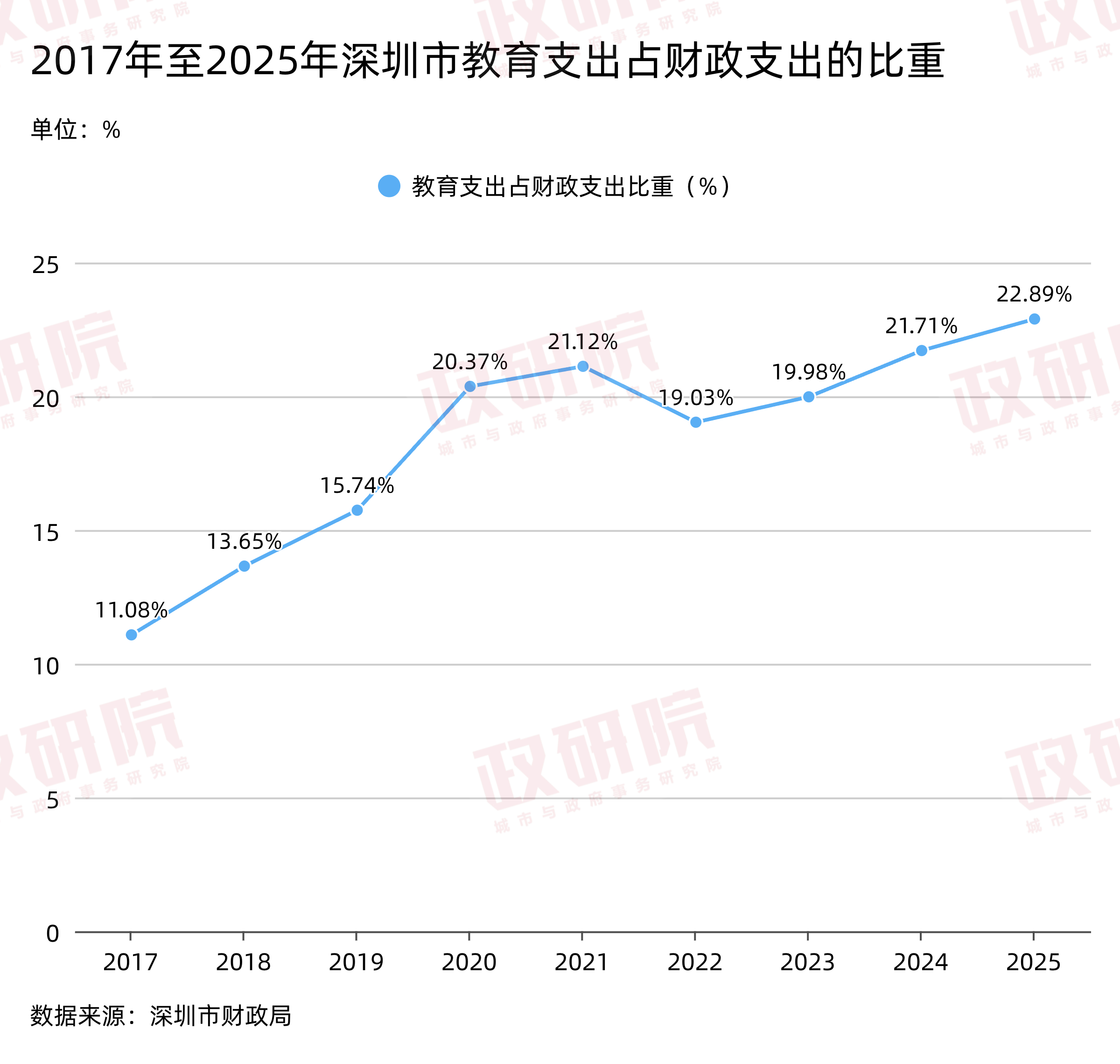
Core Viewpoint - Shenzhen, once considered an educational underdog, is rapidly becoming a preferred choice for students as it expands its higher education landscape, with new institutions like Shenzhen University and Shenzhen University of Technology gaining prominence [1][2]. Group 1: Historical Development of Higher Education in Shenzhen - Shenzhen's higher education development has accelerated significantly since the 21st century, with the establishment of 8 new universities since 2014, bringing the total to 17 by 2024 [2][7]. - The first wave of university establishment began in the 1980s with Shenzhen University, which was created to meet the demand for skilled professionals during the economic reform period [3][4]. - The second wave occurred in the early 2000s, focusing on collaborative education with prestigious institutions like Peking University and Tsinghua University, leading to the creation of a virtual university park [5][6]. Group 2: Financial Investment in Education - Shenzhen's education expenditure has seen substantial growth, with spending reaching 1001.5 billion yuan in 2023, marking a significant increase from 509 billion yuan in 2017 [10][13]. - The budget for higher education is projected to grow from 11.4 billion yuan in 2012 to 178.1 billion yuan by 2025, reflecting a compound annual growth rate of 21.69% [13]. - The financial backing from the government allows for sustained investment in higher education, ensuring long-term operational stability for universities [17]. Group 3: Talent Development and Retention - Shenzhen has one of the highest university graduate retention rates in China, with 73.2% of graduates remaining in the city in 2024, indicating a strong local job market [17]. - Major local companies like BYD, Huawei, and Tencent are the top employers of graduates from Shenzhen universities, showcasing the effective local talent conversion [17]. Group 4: Future Prospects and Challenges - The city plans to continue expanding its higher education system, with expectations to establish at least 10 more universities during the 14th and 15th Five-Year Plans, potentially reaching over 30 institutions [22][23]. - Future university developments will focus on emerging industries such as artificial intelligence, robotics, and renewable energy, aligning academic programs with market demands [23][24].