
基层社区治理

Search documents
山海贺岁闹元宵!3月2日,来汕头大兴村看“粤美村晚”
Nan Fang Nong Cun Bao· 2026-02-27 06:32
Group 1 - The "Yue Mei Village Evening" series of activities aims to promote rural cultural revitalization and strengthen grassroots community governance in Guangdong Province [19][20] - The event is part of the "Hundred Million Project" of Guangdong's artistic volunteer services, focusing on pairing with local artistic associations to support rural areas [21] - The upcoming Lantern Festival gala on March 2 will feature local artists and community cultural leaders, showcasing various performances such as singing, dancing, and traditional arts [23][24] Group 2 - The event is designed to enrich the cultural life of grassroots communities and promote the inheritance of excellent traditional culture [20][22] - The gala will create a vibrant atmosphere for the Spring Festival, highlighting the cultural charm of Guangdong [22] - The performances aim to celebrate harmony among neighbors and the beauty of the coastal region, fostering a sense of community and togetherness [24][25]


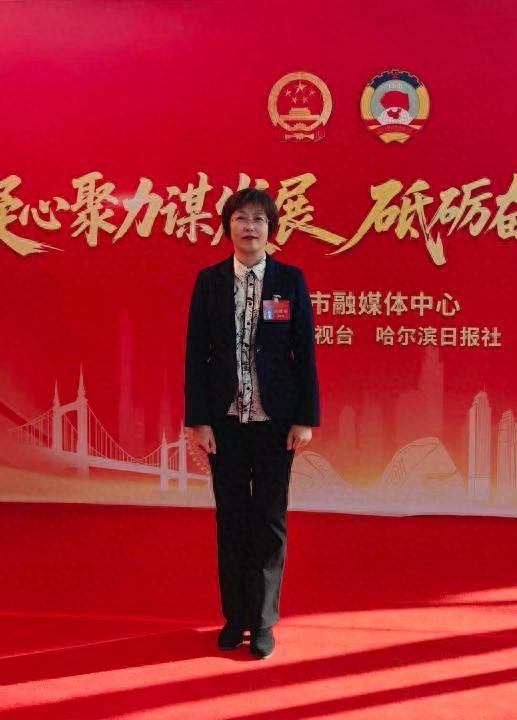
破解“小马拉大车” 哈尔滨政协委员提案为基层社区减负赋能
Xin Lang Cai Jing· 2026-01-22 05:49
Core Viewpoint - The article highlights the challenges faced by community governance in Harbin, emphasizing the need for reforms to improve efficiency and support for community workers [1][3]. Group 1: Current Challenges - Harbin's community governance is struggling with insufficient personnel and overwhelming tasks, with over 5,500 households managed by only 13 community workers, leading to an average of about 420 households per worker [1][3]. - Community workers face low salaries, with new hires earning only around 2,000 yuan per month, and limited career advancement opportunities, making it difficult to retain talent [1][3]. - The lack of authority and poor inter-departmental collaboration hinder essential services like childcare subsidies and social security benefits, exacerbating the burden on community workers [3][4]. Group 2: Proposed Solutions - The proposal suggests optimizing personnel allocation based on actual community needs, controlling personnel transfers, and clarifying the boundaries between administrative and autonomous tasks to alleviate the burden on community workers [4]. - To retain talent, it is recommended to implement equal pay for equal work, establish a dynamic salary growth mechanism, and create more career advancement opportunities for community workers [4]. - Establishing a regular communication mechanism led by party organizations and promoting digital tools for inter-departmental coordination are suggested to streamline processes and improve efficiency in community governance [4].
《青海省物业管理条例》作出重要修改
Xin Lang Cai Jing· 2026-01-13 19:51
Core Points - The Qinghai Provincial People's Congress Standing Committee has approved significant amendments to the Property Management Regulations, specifically removing restrictive qualifications for candidates of the owners' committee [1][2] - The previous Article 32, which imposed conditions such as timely payment of property service fees and a certain level of education for candidates, has been deleted to align with civil law principles [1][2] - The amendment aims to ensure that the eligibility to participate in the owners' committee is based solely on ownership status, thereby clarifying property rights and enhancing community governance [2] Summary by Sections - **Legislative Changes** - The amendment to the Property Management Regulations was passed on January 12, 2023, during the 19th meeting of the 14th Qinghai Provincial People's Congress Standing Committee [1] - The decision to delete Article 32 is a response to previous recommendations from the National People's Congress Standing Committee's Legislative Affairs Commission [2] - **Impact on Owners' Rights** - The removal of the restrictive qualifications is seen as a return to and protection of owners' legal property rights, allowing for equal participation in community management [2] - The amendment is expected to enhance the representation and autonomy of owners in community governance, promoting healthier grassroots community management [2]