
外卖满减促销

Search documents
别让外卖“满减”成“浪费”
Sou Hu Cai Jing· 2025-10-15 01:41
Core Insights - The article highlights the negative consequences of promotional activities like "0 yuan milk tea" and "50 off 30" on food delivery platforms, which create a false sense of consumer benefit while leading to significant food waste [2] - It emphasizes the detrimental cycle where platforms rely on subsidies to attract traffic, transferring costs to merchants, who in turn compromise on quality to maintain profitability [2] - The article discusses the recent draft by the State Administration for Market Regulation aimed at regulating "coercive" competition and excessive price wars in the food delivery industry, promoting a healthier development model [2] Group 1 - The promotional strategies on food delivery platforms lead to unnecessary food waste as consumers order more to meet discount thresholds, resulting in discarded food [2] - Delivery issues during peak times cause food to spoil, further contributing to waste and consumer dissatisfaction [2] - Merchants are pressured to reduce quality by using subpar ingredients or increasing packaging fees to sustain their operations [2] Group 2 - The draft regulations aim to establish a baseline for healthy competition in the food delivery sector, addressing the issues of coercive practices and excessive price wars [2] - The article calls for a collaborative effort among platforms, merchants, and consumers to ensure sustainable practices and reduce waste [2] - It stresses the importance of consumers making rational choices rather than succumbing to promotional pressures that lead to unnecessary purchases [2]

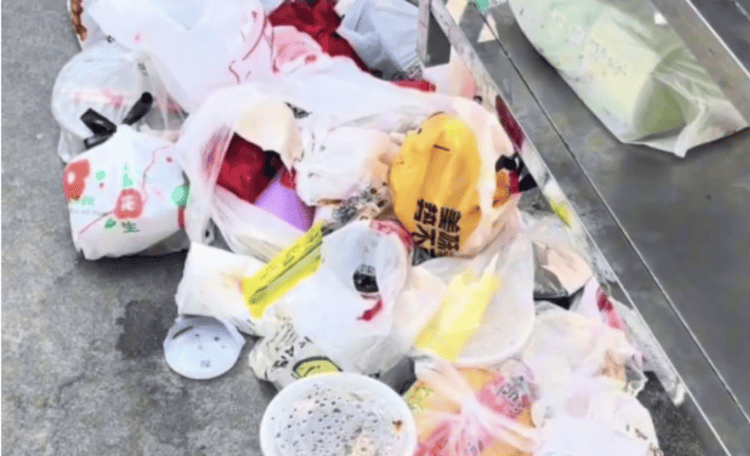
新华网三评之一:别让外卖“满减”成“浪费”
Xin Hua She· 2025-10-14 11:57
Core Viewpoint - The article highlights the issue of excessive food waste caused by promotional activities like "full reduction" discounts on food delivery platforms, which create a false sense of savings for consumers while leading to negative consequences for businesses and the environment [2][3]. Group 1: Impact on Consumers - Consumers often order more food than needed to meet discount thresholds, resulting in uneaten meals being discarded [2]. - The rush in order volumes can lead to delivery delays, causing food to spoil and ultimately be wasted [2]. Group 2: Impact on Businesses - Delivery platforms rely on subsidies to attract users, which indirectly shifts costs to merchants, squeezing their profit margins [3]. - Some merchants respond by reducing ingredient quality, using near-expiry products, or inflating packaging fees to maintain operations [3]. Group 3: Regulatory Response - The State Administration for Market Regulation has drafted guidelines aimed at addressing "coercive" competition and excessive price wars in the food delivery industry, promoting healthier development standards [3]. - The guidelines encourage merchants to maintain quality, platforms to focus on service, and consumers to make rational purchasing decisions to reduce waste [3].
