
食品浪费

Search documents
别让外卖“满减”成“浪费”
Sou Hu Cai Jing· 2025-10-15 01:41
Core Insights - The article highlights the negative consequences of promotional activities like "0 yuan milk tea" and "50 off 30" on food delivery platforms, which create a false sense of consumer benefit while leading to significant food waste [2] - It emphasizes the detrimental cycle where platforms rely on subsidies to attract traffic, transferring costs to merchants, who in turn compromise on quality to maintain profitability [2] - The article discusses the recent draft by the State Administration for Market Regulation aimed at regulating "coercive" competition and excessive price wars in the food delivery industry, promoting a healthier development model [2] Group 1 - The promotional strategies on food delivery platforms lead to unnecessary food waste as consumers order more to meet discount thresholds, resulting in discarded food [2] - Delivery issues during peak times cause food to spoil, further contributing to waste and consumer dissatisfaction [2] - Merchants are pressured to reduce quality by using subpar ingredients or increasing packaging fees to sustain their operations [2] Group 2 - The draft regulations aim to establish a baseline for healthy competition in the food delivery sector, addressing the issues of coercive practices and excessive price wars [2] - The article calls for a collaborative effort among platforms, merchants, and consumers to ensure sustainable practices and reduce waste [2] - It stresses the importance of consumers making rational choices rather than succumbing to promotional pressures that lead to unnecessary purchases [2]

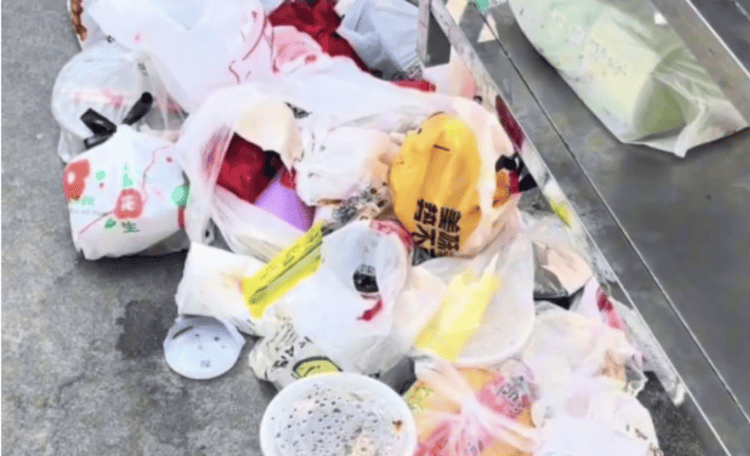
新华网三评之一:别让外卖“满减”成“浪费”
Xin Hua She· 2025-10-14 11:57
Core Viewpoint - The article highlights the issue of excessive food waste caused by promotional activities like "full reduction" discounts on food delivery platforms, which create a false sense of savings for consumers while leading to negative consequences for businesses and the environment [2][3]. Group 1: Impact on Consumers - Consumers often order more food than needed to meet discount thresholds, resulting in uneaten meals being discarded [2]. - The rush in order volumes can lead to delivery delays, causing food to spoil and ultimately be wasted [2]. Group 2: Impact on Businesses - Delivery platforms rely on subsidies to attract users, which indirectly shifts costs to merchants, squeezing their profit margins [3]. - Some merchants respond by reducing ingredient quality, using near-expiry products, or inflating packaging fees to maintain operations [3]. Group 3: Regulatory Response - The State Administration for Market Regulation has drafted guidelines aimed at addressing "coercive" competition and excessive price wars in the food delivery industry, promoting healthier development standards [3]. - The guidelines encourage merchants to maintain quality, platforms to focus on service, and consumers to make rational purchasing decisions to reduce waste [3].

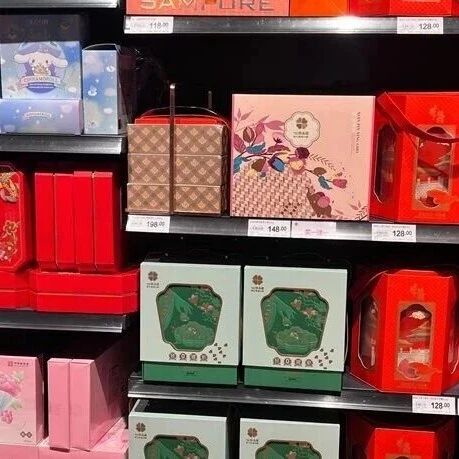
卖不完的月饼,都去哪儿了?
凤凰网财经· 2025-10-07 02:28
Core Viewpoint - The article discusses the challenges and strategies related to unsold mooncakes after the Mid-Autumn Festival, highlighting the seasonal nature of mooncake sales and the various methods companies use to manage excess inventory [4][11]. Group 1: Sales and Inventory Management - Mooncake sales are concentrated in the two weeks leading up to the Mid-Autumn Festival, leading to a high risk of unsold inventory [4][6]. - Supermarkets often implement promotions such as "buy one get one free" to clear unsold mooncakes, with significant discounts on the day of the festival [5][6]. - Companies like Five Star and Guangzhou Restaurant emphasize the importance of market forecasting and inventory management to avoid overproduction and waste [7][8]. Group 2: Handling Unsold Mooncakes - Unsold mooncakes can be repurposed as employee benefits or sold at discounted prices to nearby supermarkets [6][11]. - Consumers often find creative ways to use leftover mooncakes, including donating them to charity organizations that distribute them to low-income individuals [11]. - There are also markets for near-expiry mooncakes, which can be sold as "near-expiry" products, with prices around 1500 yuan per ton [13]. Group 3: Regulatory and Safety Measures - Regulatory measures are in place to ensure that expired mooncakes are properly disposed of and do not re-enter the market [16]. - The "Festival Food Daily Reporting System" requires companies to report production and sales data to local food safety authorities [16]. - The production of mooncakes in China has been increasing, with a projected production of 548,000 tons in 2024, reflecting a growth of 11.4% year-on-year [16].
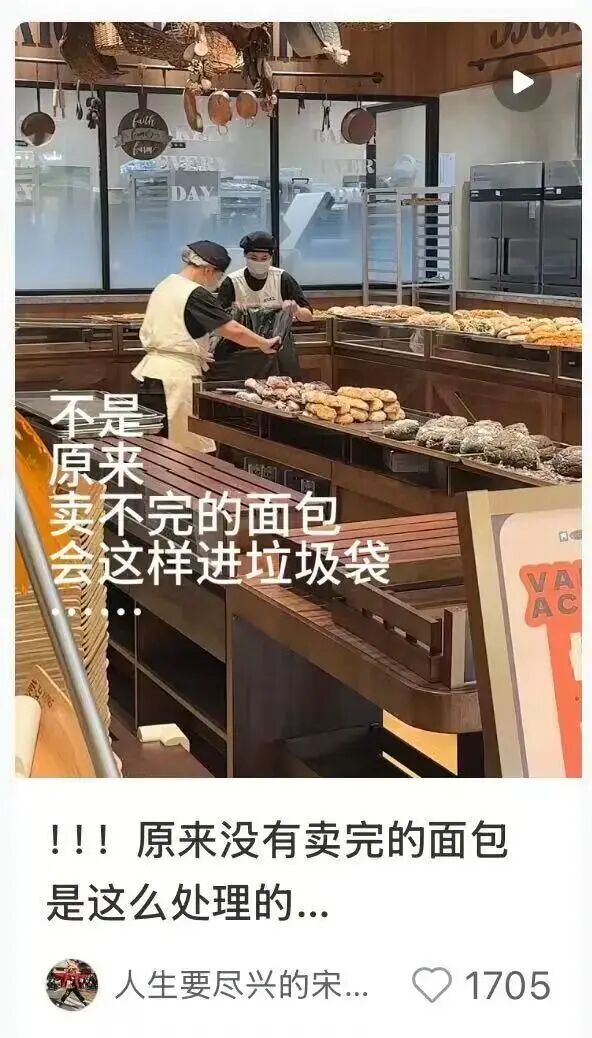
上海网红面包店深夜大量丢弃面包,价格还不便宜!市监局突击检查,网友吵翻了
Mei Ri Jing Ji Xin Wen· 2025-09-16 16:51
Core Viewpoint - A viral video showing a popular bakery in Shanghai discarding unsold bread at night has sparked public outrage over food waste [1][4]. Group 1: Incident Details - The incident occurred on the night of September 13, where staff at the bakery disposed of unsold bread into garbage bags after closing [4]. - The bakery's staff confirmed that unsold bread would not be discounted and would be destroyed as per company policy [6][9]. - The store manager acknowledged that the waste was due to an incorrect estimation of sales volume and stated that there is no policy for overnight sales or discounts [9][12]. Group 2: Regulatory Response - On September 16, the Shanghai Market Supervision Administration conducted an inspection of the bakery, checking records related to production, sales, and disposal [11]. - During the inspection, it was found that the bakery lacked complete records of the bread disposal process, as the manager could not provide full video documentation [11][12]. - The company later stated that the waste was exacerbated by a drop in sales due to heavy rain on the day of the incident, with a typical waste rate of 3%-5% [15]. Group 3: Public Reaction - Consumers expressed their dismay over the waste, with many suggesting that the bakery could have sold the bread at a discount or donated it instead [19][20]. - Some commenters understood the bakery's position, citing potential liability issues if discounted bread caused health problems [21]. - The broader issue of food waste in the baking industry was highlighted, with statistics indicating that 10% of the 185 million tons of bread produced globally each year is wasted [24].
齐云山冲刺港股上市;钟睒睒拟投资重组胶原蛋白公司|消费早参
Mei Ri Jing Ji Xin Wen· 2025-06-29 14:41
Group 1 - Qiyunshan Food Co., Ltd. submitted its prospectus to the Hong Kong Stock Exchange on June 27, aiming to expand its e-commerce network and enhance online promotion [1] - Qiyunshan holds a 32.4% market share in China's sour jujube food market, making it the industry leader [1] - The company plans to leverage its capital operations to increase brand influence and product value, although public awareness of sour jujube remains low [1] Group 2 - Jinbo Biological, a leading collagen company, disclosed a private placement plan to raise up to 2 billion yuan by issuing shares to Yangshengtang Co., Ltd. [2] - After the issuance, Yangshengtang will hold over 5% of Jinbo Biological, becoming its second-largest shareholder [2] - The collaboration is expected to enhance Jinbo Biological's brand promotion and product management, aligning well with Yangshengtang's anti-aging cosmetics focus [2] Group 3 - The China Consumers Association advocated against food waste and extreme eating broadcasts, emphasizing the importance of frugality and food conservation [3] - The association proposed a "three-party governance" approach involving consumers, content creators, and platform operators to foster a healthy online food environment [3] - This initiative reflects a strong sense of responsibility towards food security and social civility [3]