外国人共生问题

Search documents
执政联盟破裂,“高市丸”未起航先搁浅
Qi Lu Wan Bao· 2025-10-12 22:03
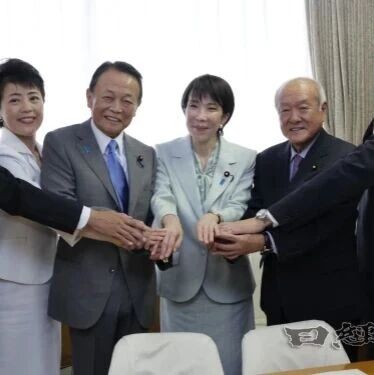
Core Points - The election of Sanae Takaichi as the new president of the Liberal Democratic Party (LDP) on October 4 marks a significant political shift, potentially leading her to become Japan's first female Prime Minister, although the recent decision by Komeito to exit the ruling coalition introduces uncertainty into the prime ministerial selection process [2][3] Group 1: Political Dynamics - Takaichi's new leadership team predominantly consists of members from the Aso faction, reflecting a strong patronage influence from Taro Aso, who is seen as a key supporter in her election [3][4] - The appointment of several controversial figures associated with "black money" scandals raises concerns about the integrity of the new administration, as Takaichi has indicated that these individuals will not face repercussions despite public dissatisfaction [5][6] Group 2: Coalition Concerns - Komeito's leadership has expressed three major concerns regarding Takaichi's administration, particularly focusing on the "black money" issue, historical recognition, and strict foreigner policies, which could jeopardize the coalition's stability [6][7] - The potential for diplomatic tensions with neighboring countries due to Takaichi's right-wing stance and past actions, such as visiting the Yasukuni Shrine, poses risks for Japan's foreign relations [7] Group 3: Economic Challenges - Takaichi's economic policies echo those of former Prime Minister Abe, advocating for aggressive fiscal measures, which may lead to further financial strain and investor concerns about Japan's fiscal health [8][9] - The uncertainty surrounding the implementation of the Japan-U.S. trade agreement and Takaichi's willingness to renegotiate terms if they do not align with Japan's interests adds another layer of complexity to her economic agenda [8][9]

被讽“第二次麻生政权”,高市难逃“短命首相”魔咒?
Qi Lu Wan Bao Wang· 2025-10-10 07:34
Core Points - The election of Sanna Takichi as the new president of the Liberal Democratic Party (LDP) marks a significant moment as she is likely to become Japan's first female Prime Minister, but she inherits a challenging political landscape [1] - Takichi's cabinet appointments predominantly feature members from the Aso faction, indicating a strong influence from former Prime Minister Taro Aso, raising questions about her ability to lead independently [2][3] - The inclusion of politicians with past "black money" scandals in her administration has sparked public concern and criticism, undermining her promises of political reform [4][5] Political Dynamics - The new leadership structure heavily reflects the Aso faction's dominance, with key positions filled by Aso's supporters, which has led to public skepticism about Takichi's autonomy [2][3] - The appointment of individuals linked to past scandals, such as Koichi Hagiuda, has raised alarms about the LDP's commitment to addressing corruption issues [4] - Public sentiment is further complicated by the potential for Takichi's hardline stance on historical issues to strain Japan's diplomatic relations with neighboring countries [6] Economic Challenges - Takichi's economic strategy aims to revive the economy through aggressive fiscal policies, including tax cuts and government spending, which may exacerbate Japan's fiscal situation [7] - The depreciation of the yen against the dollar has raised concerns among investors, reflecting fears of financial instability under her leadership [7] - The execution of the Japan-U.S. trade agreement remains uncertain, with Takichi open to renegotiation if it does not serve Japan's interests, indicating potential volatility in trade relations [7][8] Public Sentiment and Future Outlook - There is significant public dissatisfaction with the government's handling of economic issues, including rising prices and demographic challenges, which Takichi must address to maintain support [7][8] - The effectiveness of her administration in responding to these pressing concerns will be crucial for her political longevity and the stability of her government [8]
自民党新体制亮相,公明党提三点担忧
日经中文网· 2025-10-07 08:07
Core Viewpoint - The article discusses the recent leadership changes within Japan's ruling Liberal Democratic Party (LDP) and the challenges it faces in maintaining its coalition with the Komeito party, particularly concerning issues of political funding, historical recognition, and foreign relations [2][6][8]. Group 1: Leadership Changes - The LDP held a temporary general meeting on October 7, where new leadership appointments were made, including Sanae Takaichi as party president and Shunichi Suzuki as secretary-general [2]. - Takaichi expressed a desire to transform concerns about the future into hope and dreams, emphasizing the importance of party unity in addressing various challenges [2][4]. - The new leadership team includes several members from the Aso faction, indicating the faction's significant influence within the party [5]. Group 2: Coalition with Komeito - Komeito's leader, Tetsuo Saito, conveyed three main concerns to Takaichi, including issues related to political funding, historical recognition, and foreign relations [6][8]. - Komeito is particularly worried about the implications of Takaichi's past visits to the Yasukuni Shrine on Japan-China relations, fearing it could exacerbate diplomatic tensions [6][7]. - The coalition faces internal pressures, with some Komeito supporters expressing a desire to exit the ruling coalition if their concerns are not addressed [6][8]. Group 3: Policy Focus - The new policy chief, Koji Kobayashi, emphasized the need for swift measures to address rising prices and the upcoming budget and tax reform discussions [5]. - Takaichi's administration aims to maintain a dialogue with opposition parties to facilitate problem-solving, despite being a minority government [4][8]. - There is an intention to expand the ruling coalition by engaging with other opposition parties, such as the Democratic Party for the People [8].