外汇储备体系

Search documents
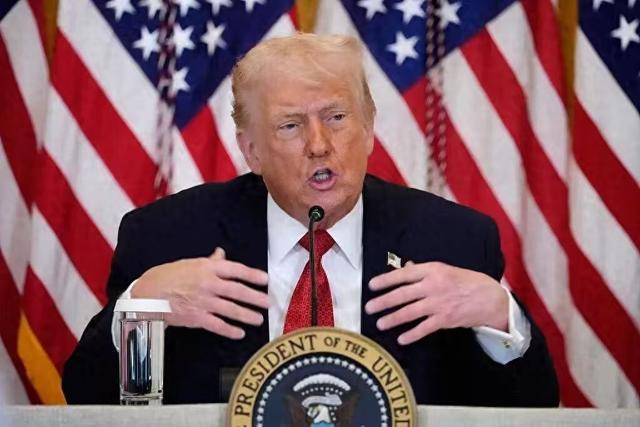
特朗普通告所有国家,禁止减持美国债;中方还剩6830亿,不再奉陪
Sou Hu Cai Jing· 2026-01-24 07:49
Group 1 - The core argument of the article revolves around the U.S. government's reliance on Treasury bonds (T-bonds) and the implications of potential sell-offs by global investors, particularly in light of President Trump's threats of retaliation against those who sell U.S. debt [1][3][19] - The U.S. Treasury market is not merely a financial product but a critical pillar supporting the U.S. government's operations and the dominance of the dollar, making it a vital asset that cannot be compromised [5][12] - The U.S. is projected to face a fiscal deficit exceeding $2 trillion by 2025, necessitating the issuance of new debt to finance its operations, which creates a cycle of borrowing that is highly sensitive to investor confidence [8][10] Group 2 - China's holdings of U.S. debt have decreased to $683 billion, down from a peak of nearly $1.3 trillion, indicating a significant shift in its investment strategy from being a stabilizer of the U.S. debt market to a rational investor making decisions based on its own national interests [3][26][33] - The reduction in U.S. debt holdings by China is part of a broader trend where multiple countries are diversifying their asset allocations away from U.S. debt, reflecting a growing skepticism about the sustainability of U.S. fiscal policies [46][50] - The article highlights that the global trend of reducing U.S. debt holdings is not an isolated phenomenon, as European and Asian institutions are also scaling back their investments in U.S. bonds, which could undermine the confidence in the U.S. Treasury market [46][52] Group 3 - The article discusses the potential consequences of a loss of confidence in the U.S. Treasury market, including the risk of a financial crisis if global investors cease purchasing new U.S. debt [9][19][60] - The Federal Reserve's monetary policy heavily relies on the Treasury market for economic adjustments, and any disruption in this market could render its policy tools ineffective, leading to a passive response to economic challenges [12][17] - The ongoing diversification of global asset allocations, as exemplified by China's strategy, serves as a model for emerging markets to reduce dependency on a single currency or asset, thereby gaining more control over their financial stability [58][60]