多入口AI

Search documents
AI入口争夺战:APP之后?千问这个动作值得关注
Ge Long Hui· 2026-02-27 12:18
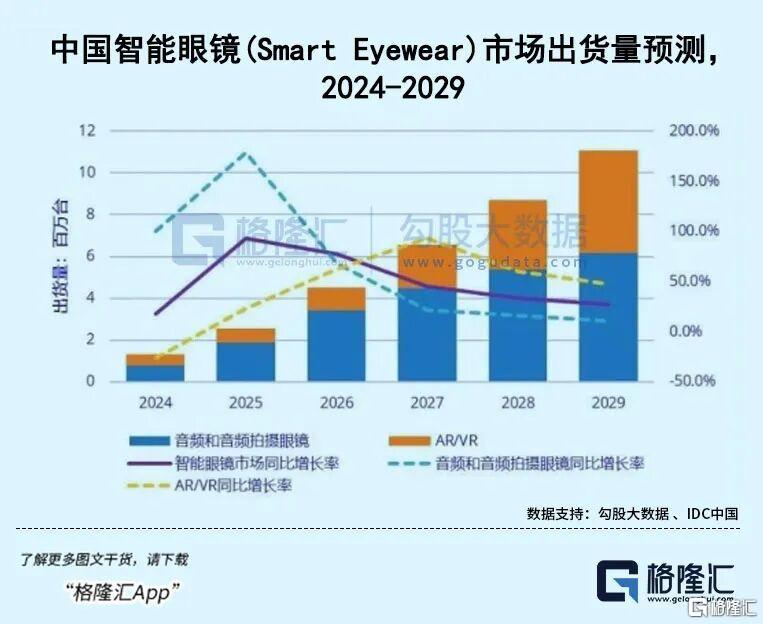
Group 1 - The core idea of the article is that Alibaba's AI assistant "Qianwen" is transitioning from a digital application to a multi-device hardware ecosystem, marking a strategic shift in AI competition from app-centric to hardware integration [1][8][20] - Qianwen plans to launch its first AI glasses at the 2026 Mobile World Congress, with additional products like AI rings and headphones to follow, indicating a significant expansion of its product line [1][8] - The rapid growth of Qianwen is highlighted by its performance during the Spring Festival, where it achieved 200 million orders through voice commands and reached 73 million daily active users [1][10] Group 2 - The AI competition is evolving from a focus on app development to a multi-entry approach, where hardware plays a crucial role in enhancing user interaction with AI [2][4][8] - Major tech companies are investing heavily in AI hardware, with predictions indicating that the smart glasses market in China will reach 4.508 million units by 2026, growing by 77.7% [5][8] - Qianwen's strategy emphasizes the integration of AI capabilities into physical devices, allowing for seamless interaction without the need for a smartphone [12][18] Group 3 - Qianwen's unique selling proposition lies in its ability to connect visual recognition with commercial applications, enabling users to interact with their environment through voice commands and visual cues [12][18] - The combination of "multi-entry" and "strong execution" capabilities positions Qianwen to effectively understand and act upon user intentions in both digital and physical realms [15][20] - The hardware strategy allows Qianwen to capture multi-modal information, enhancing its understanding of user context and improving service delivery [17][18] Group 4 - Alibaba's approach with Qianwen signifies a shift in how AI can integrate into daily life, moving beyond mere app usage to becoming an essential part of user interactions with the world [20][21] - The focus on building a comprehensive service network through hardware and AI capabilities suggests a long-term vision for redefining human-computer interaction [21]