多极世界挑战美国霸权

Search documents
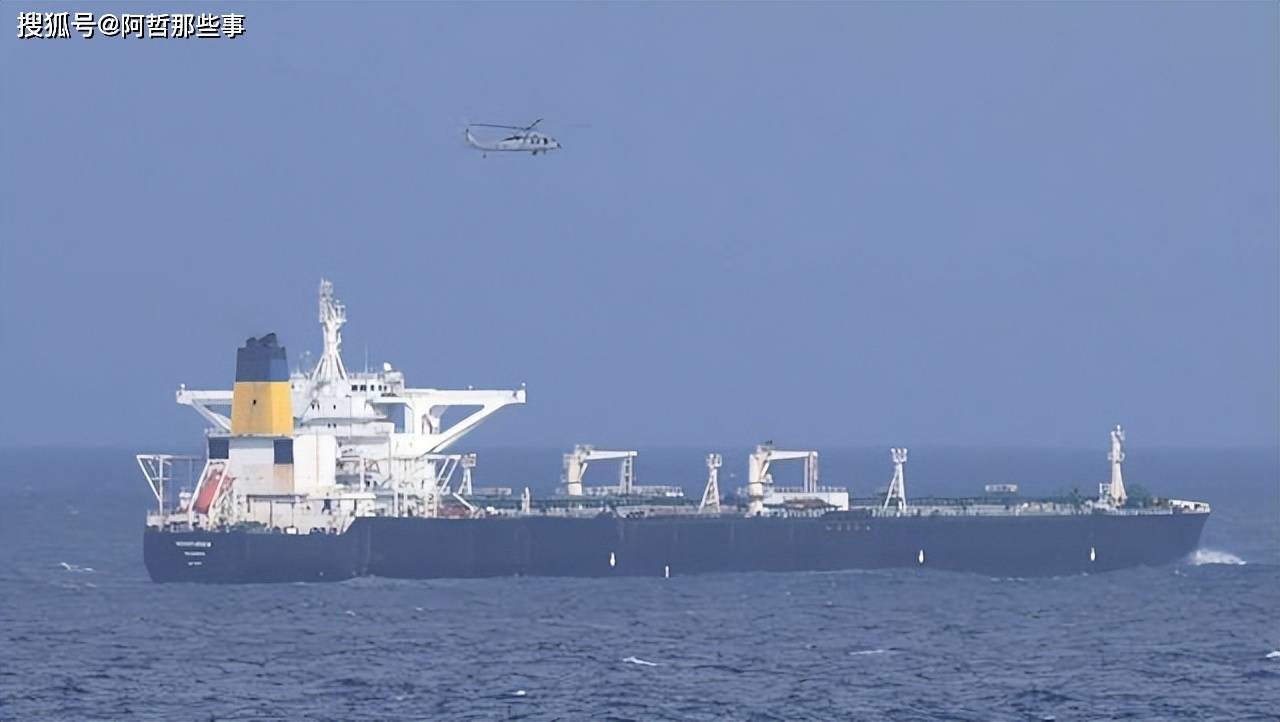
伊朗12天扣两船“硬刚”美霸权!中俄伊委四国联手反制,全球能源博弈进入新纪元!
Sou Hu Cai Jing· 2025-12-27 14:15
Core Viewpoint - The recent maritime confrontations between Iran and the U.S. signify a systemic challenge to American hegemony, with Iran's actions supported by China and Russia, indicating a shift in the global energy landscape [1][3][9]. Group 1: Iran's Response - On December 12, U.S. forces seized a supertanker carrying 2 million barrels of oil, prompting Iran to respond by detaining two foreign oil tankers in the Persian Gulf, which carried a total of 1 million liters of smuggled fuel [3][6]. - Iran's naval operations are characterized as legitimate enforcement actions, with Iranian military officials asserting that these moves are a direct response to U.S. provocations [3][6]. Group 2: Support from China and Russia - China and Russia have publicly condemned U.S. actions, with China emphasizing the legality of Venezuela-Iran energy cooperation and Russia labeling the U.S. as a "Caribbean pirate" [6][7]. - The collaboration among China, Russia, and Iran is framed as a unified front against U.S. unilateralism, aiming to strengthen their positions in international energy markets [6][7]. Group 3: Implications for Global Energy Markets - The maritime tensions have led to immediate impacts on oil prices, with Dubai crude rising by $2 and Brent futures reaching $89, reflecting the increased risk and insurance costs associated with shipping in the region [9][10]. - The potential for a joint naval escort by China, Russia, and Iran could disrupt traditional energy flows and challenge the U.S.-dominated "petrodollar" system, as these countries seek to provide alternative energy supplies to Asia [9][10]. Group 4: Future Outlook - The situation raises questions about the sustainability of U.S. naval dominance and its ability to intervene in global shipping without incurring significant costs [9][10]. - The evolving dynamics suggest that the Persian Gulf may become a focal point for multipolar geopolitical competition, with implications for global energy security and market structures [9][10].