
大米减反政策

Search documents
高温缺水致日本米价再“抬头”!
第一财经· 2025-08-07 06:19
Core Viewpoint - Japan is experiencing extreme heat, leading to a significant increase in rice prices and prompting a shift in government policy from production suppression to production increase [3][4][10]. Group 1: Weather Impact - Japan's average temperature in July reached a record high, 2.89 degrees Celsius above the norm, marking the highest since records began in 1898 [3]. - The extreme heat has resulted in a water shortage in reservoirs, adversely affecting crop yields, particularly rice [4]. Group 2: Rice Price Trends - After a nine-week decline, rice prices in Japan have started to rise again, with a 1.1% increase in the price of a 5-kilogram bag to approximately 3,625 yen (about 24 USD) [6]. - The peak price for rice occurred in May, with prices reaching 4,268 to 4,285 yen (approximately 213 to 214 RMB), more than double the price from the previous year [6]. Group 3: Government Policy Shift - Prime Minister Shigeru Ishiba announced a policy shift to increase rice production, ending decades of the "Reduction and Return" policy aimed at controlling rice output [4][9]. - The government plans to utilize abandoned farmland and assist farmers in expanding sales channels to address food shortages and high prices [9]. Group 4: Supply and Demand Dynamics - The Ministry of Agriculture, Forestry and Fisheries reported that the current rice price surge is due to supply shortages, exacerbated by a declining population and changing consumption habits [7]. - The investigation did not address the role of agricultural cooperatives, which control over 90% of Japan's farmers and have been accused of hoarding rice [7]. Group 5: Future Projections - The estimated rice production for 2025 is projected to reach 7.35 million tons, an increase of 560,000 tons from 2024, marking the largest increase since 2004 [10]. - The total rice planting area is expected to expand to 1.363 million hectares, an increase of 104,000 hectares from the previous year [10].

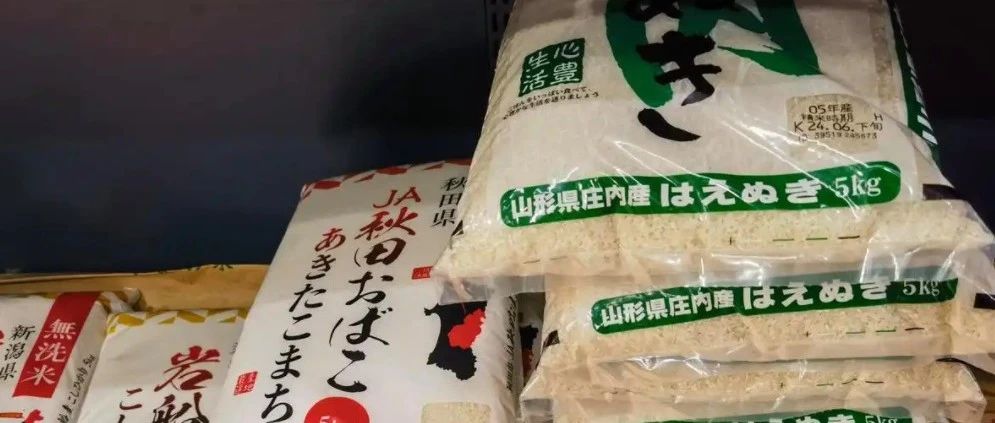
高温缺水致米价再“抬头”!日本政府欲废除限制政策,为大米增产松绑
Di Yi Cai Jing· 2025-08-07 05:44
Core Viewpoint - The root cause of Japan's "rice crisis" is attributed to the government's long-standing "reduction and return policy," which has suppressed rice production for decades [1][4]. Group 1: Weather Impact - Japan is experiencing extreme heat, with temperatures reaching 41.8 degrees Celsius, setting new records [1]. - The average temperature in July was 2.89 degrees Celsius higher than usual, marking the highest since records began in 1898 [1]. - Reduced rainfall and high temperatures have led to a critical water shortage in reservoirs, negatively impacting rice and other crops [1]. Group 2: Rice Price Trends - After a nine-week decline, rice prices in Japan have started to rise again, with a 1.1% increase in the price of a 5-kilogram bag, now at 3,625 yen (approximately 24 USD) [2]. - The peak price for rice occurred in May, with prices reaching 4,268 to 4,285 yen (approximately 213 to 214 RMB), more than double the previous year's prices [2]. - The government has been releasing reserve rice to stabilize prices, but they remain high compared to previous years [2]. Group 3: Government Policy Changes - Prime Minister Kishida announced a shift in rice policy from suppressing production to increasing it, expected to be implemented from the fiscal year 2027 [1][4]. - The Ministry of Agriculture, Forestry and Fisheries has acknowledged a supply-demand imbalance, attributing it to declining population and changing consumption habits [2][4]. - The government plans to utilize abandoned farmland and assist farmers in expanding sales channels to address food shortages and high prices [4][5]. Group 4: Agricultural Associations and Market Dynamics - The Japan Agricultural Cooperatives (JA) has been criticized for hoarding rice, which has contributed to market supply issues [3]. - JA controls over 90% of Japanese farmers and influences both economic and political aspects of agriculture in Japan [3]. - The historical "reduction and return policy" has led to a decrease in rice production, with only about 60% of rice paddies currently utilized [5]. Group 5: Future Projections - The estimated rice production for 2025 is projected to reach 7.35 million tons, an increase of 560,000 tons from 2024, marking the largest increase since 2004 [5]. - The total rice planting area is expected to reach 1.363 million hectares, an increase of 104,000 hectares from the previous year [5].