
大西洋经向翻转环流(AMOC)

Search documents
时间跨度超1000年,欧洲将陷入百年干旱?对整个地球意味着什么?
Sou Hu Cai Jing· 2025-12-11 05:39
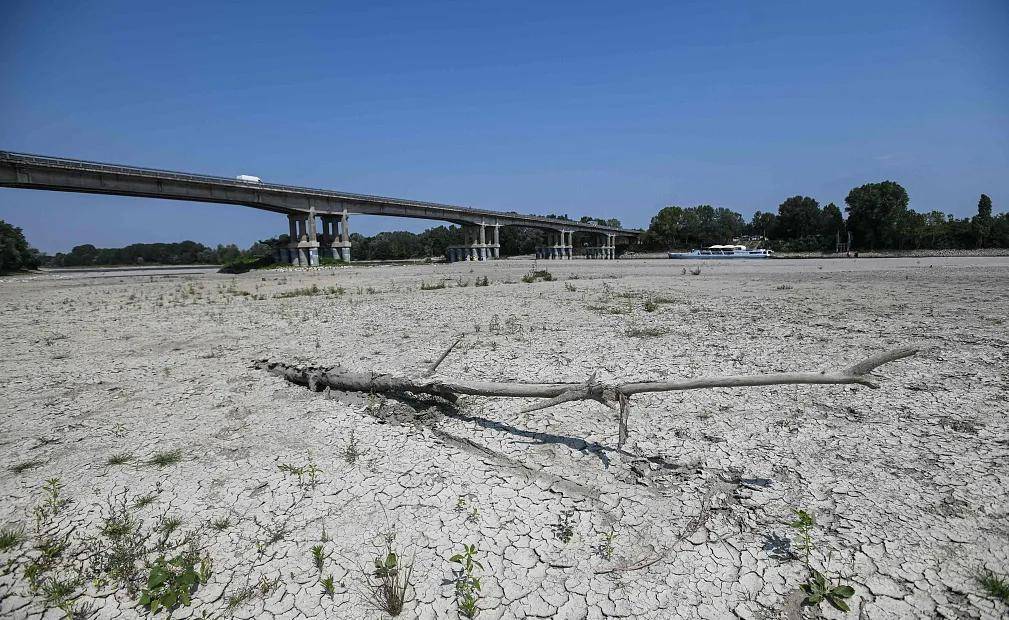
Core Viewpoint - A recent study suggests that Europe may face a century of drought due to changes in the Atlantic Meridional Overturning Circulation (AMOC), which could lead to significant climate shifts globally [1][4][19] Group 1: AMOC and Climate Change - The AMOC is a critical climate system that influences global weather patterns, and its potential collapse could trigger drastic climate changes worldwide [4][6] - The study indicates that the AMOC is weakening and nearing a tipping point, which could result in Europe experiencing hotter and drier summers over the next few centuries, with an increase in extreme drought events [6][11] - The research highlights that if the AMOC collapses, it could lead to a prolonged dry season in Europe, with drought durations increasing by 54% in Sweden and 40% in Spain under recovery scenarios, and by 72% and 60% respectively under collapse scenarios [15] Group 2: Global Implications - The study emphasizes that the AMOC's instability is a significant concern for global climate stability, as its collapse could lead to unpredictable weather patterns, including both extreme heat and cold in different regions [17][19] - It warns that the consequences of AMOC changes could result in severe impacts on food security, with agricultural yields declining and increased risks of wildfires and droughts [16] - The research serves as a cautionary note regarding the potential for irreversible climate changes if the AMOC were to fail, underscoring the importance of addressing global warming to stabilize climate conditions [19]

中美科学家联合调查:关键洋流面临崩溃,恐将开启冰河时代
财联社· 2025-11-15 03:53
Core Viewpoint - The research indicates that the Atlantic Meridional Overturning Circulation (AMOC) is at risk of collapse within decades, potentially leading to a new ice age and significant sea level rise [2][4]. Group 1: AMOC and Climate Impact - The AMOC is a crucial ocean current that transports warm water from the tropics to the North Atlantic, influencing the climate of Europe, the UK, and the US East Coast [2]. - The current slowdown of AMOC has been ongoing for decades, with a complete collapse possible by the end of this century [2][5]. - Historical precedents exist, as a similar AMOC collapse occurred approximately 12,000 years ago, marking the end of the last ice age [5]. Group 2: Regional Responses and Concerns - Iceland's climate minister has raised alarms about the potential collapse of AMOC, highlighting it as a direct threat to national stability and security [6]. - This issue has been formally recognized by Iceland's National Security Council, prompting heightened vigilance and coordinated responses from relevant departments [6]. - The international scientific community is increasingly concerned that the risks associated with AMOC collapse may be underestimated, as evidenced by a recent seminar involving 60 experts assessing its societal impacts [6][7].

百年数据揭示大西洋洋流崩溃信号
Xin Hua She· 2025-06-28 09:52
Core Insights - A recent study reveals a persistent cold water zone in the North Atlantic that has resisted overall warming trends for over a century, linked to the long-term weakening of the Atlantic Meridional Overturning Circulation (AMOC) [1][2] - The study enhances future climate predictions related to Europe, as AMOC significantly impacts European weather patterns [1] Group 1: AMOC and Climate Impact - The AMOC is a large ocean current system that regulates climate by transporting warm, salty water northward and cold water southward, acting like a conveyor belt [1][2] - The weakening of AMOC results in less warm, salty water reaching subpolar regions, leading to observed cooling and freshwater influx in the southern Greenland area [1][2] Group 2: Research Methodology - Researchers analyzed sea temperature and salinity data over the past century to reconstruct changes in the AMOC, comparing it with nearly 100 different climate models [2] - Only models simulating the weakening of AMOC aligned with real-world data, indicating the significance of this phenomenon [2] Group 3: Broader Implications - The cold water zone near southern Greenland is crucial as it is one of the most sensitive areas to ocean circulation changes, affecting weather patterns in Europe, altering rainfall, and modifying jet streams [2] - The slowdown of ocean currents may disrupt marine ecosystems due to changes in salinity and temperature affecting species habitats [2][3]
