大跃进运动

Search documents
1959到1961三年经济困难主要表现在哪些方面?
Sou Hu Cai Jing· 2025-07-03 06:16
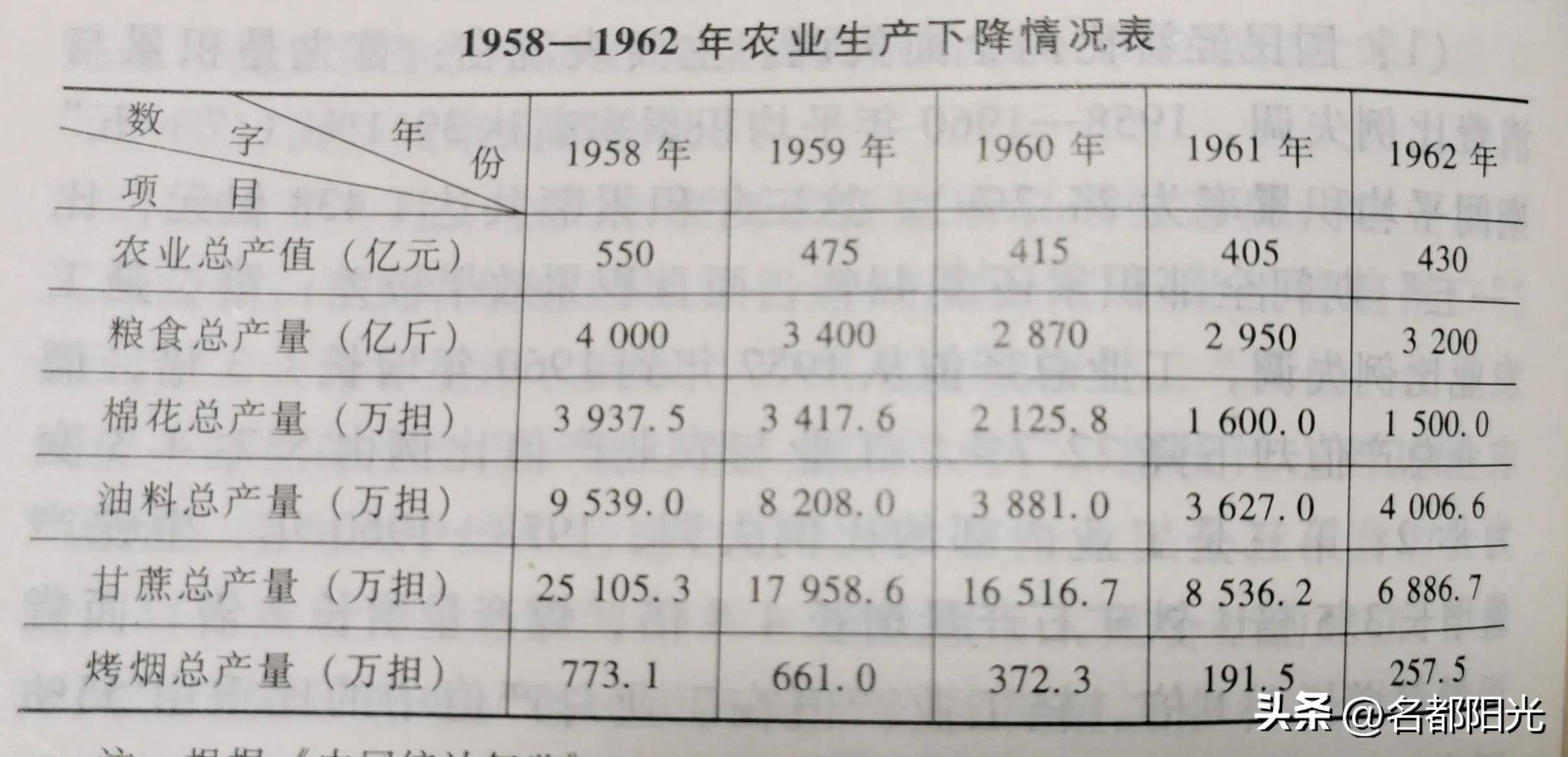
Core Viewpoint - The article emphasizes the importance of acknowledging historical mistakes during the early stages of socialist construction in China, particularly the Great Leap Forward, to avoid repeating past tragedies [2][4]. Economic Impact of the Great Leap Forward - The Great Leap Forward led to a significant decline in agricultural production, with total agricultural output in 1960 only reaching 47.2% of the planned target, a 12.6% decrease from 1959 [6]. - Grain production fell to 48.3% of the planned target in 1960, a 15.6% drop from 1959, while cotton and oilseed production saw declines of 37.8% and 50.9%, respectively [6][7]. - By the end of 1960, grain reserves had decreased to 28.65 billion kilograms, a 29% reduction from 40.2 billion kilograms in 1955, leading to severe food shortages [6][8]. Social Consequences - The population faced severe food shortages, with per capita grain consumption dropping from 203 kg in 1957 to 163.5 kg in 1960, a 19.4% decrease [8]. - The rural population experienced a drastic reduction in livestock, with pig numbers falling by 43.6% from 1957 to 1960 [7]. - Non-normal death rates surged, with the mortality rate reaching 25.43‰ in 1960, significantly higher than the 10.8‰ in 1957 [9]. Economic Imbalance - The Great Leap Forward caused a severe imbalance in the national economy, with industrial output growing by 1.3 times from 1957 to 1960, while agricultural output fell by 22.7% [11][12]. - Heavy industry saw a disproportionate increase, with its share of total industrial output rising from 25.5% in 1957 to 52.1% in 1960, while light industry lagged behind [12][13]. - Infrastructure investment during this period exceeded planned amounts by 71%, leading to a consumption squeeze and economic tension [16]. Inflation and Market Supply Issues - The rapid increase in infrastructure investment led to a workforce surge from 24.51 million in 1957 to 50.44 million in 1960, exacerbating fiscal pressures [17]. - The money supply increased by 82% from 1957 to 1960, resulting in significant inflation and a decline in purchasing power [17]. - The government implemented rationing and coupon systems for essential goods, further straining consumer living standards [17][18].