
大闸蟹市场乱象

Search documents
千元蟹卡成本仅百元,独家揭秘→
第一财经· 2025-11-22 07:46
Core Viewpoint - The article highlights issues in the hairy crab market, particularly focusing on the problems of weight discrepancies and inflated prices associated with crab cards, which are often used for gifting purposes [3][4][6]. Group 1: Weight Discrepancies - Consumers have reported significant weight discrepancies when purchasing hairy crabs, with some receiving crabs that weigh up to 50% less than advertised [7]. - A recent test revealed that out of 10 crabs purchased with a crab card, 5 were found to be underweight, with some crabs missing over 30% of their expected weight [7][8]. - The Jiangsu Consumer Protection Committee has set standards for crab weights, stating that the weight should reflect the net weight of the crab alone, with a permissible error of no more than 7% [8]. Group 2: Price Inflation - The prices of crab cards are often inflated, with some cards priced at thousands of yuan while their actual cost may only be a few hundred yuan [9]. - The market for crab cards is characterized by significant price fluctuations, allowing sellers to adjust prices based on consumer demand and complaints [11]. - The average purchase price for 4-tael male crabs has decreased by at least 10% compared to previous years, with current market prices reported at 40 yuan per jin for ordinary crabs and 65 yuan for premium crabs [11][12]. Group 3: Market Dynamics - Despite an increase in crab production, the actual supply of authentic Yangcheng Lake hairy crabs remains limited, leading to potential misrepresentation in the market [14][16]. - The total production of Yangcheng Lake hairy crabs is estimated at around 10,350 tons for the year, with a significant portion coming from high-standard pond farming [16]. - The industry is shifting towards quality over quantity, with a focus on premium products for both domestic and export markets [19]. Group 4: Export Opportunities - The Yangcheng Lake hairy crab industry is exploring international markets, with exports to countries like South Korea, Malaysia, and Singapore increasing [18]. - The total direct output value of Yangcheng Lake hairy crabs is projected to be around 4.5 billion yuan, contributing to a total industry scale of approximately 35 billion yuan [19].

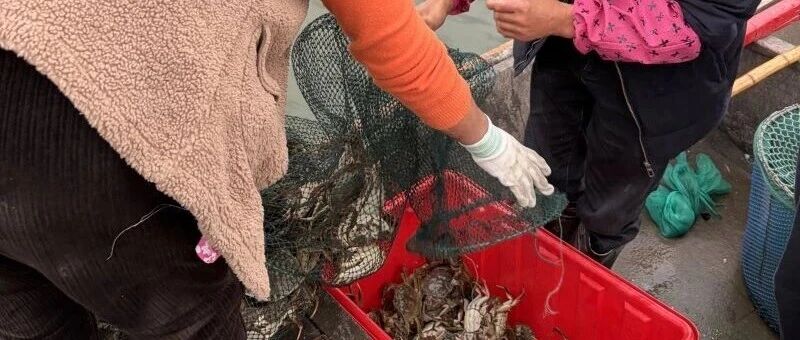
独家调查|大闸蟹的江湖:正宗阳澄湖并不多见,短斤少两、卡券虚标却常有
Di Yi Cai Jing· 2025-11-22 07:27
Core Insights - The crab card exchange for hairy crabs is facing issues of underweight and inflated prices, with some merchants using replacement strategies to appease customers, while the actual production of authentic Yangcheng Lake hairy crabs is limited, leading to a mixed market [1][3][11] Group 1: Weight and Pricing Issues - There have been numerous complaints regarding underweight hairy crabs, with reports of consumers receiving crabs weighing significantly less than advertised, with some cases showing a 30% weight deficit [3][4] - The price of crab cards is often inflated, with some cards priced at thousands of yuan while their actual cost is only a few hundred yuan, leading to significant profit margins for sellers [5][8] Group 2: Market Dynamics and Consumer Behavior - The crab card system is primarily used for gifting, which reduces the likelihood of consumers pursuing complaints, allowing merchants to handle issues amicably to avoid conflict [4][5] - The market for hairy crabs is experiencing a price drop due to increased production, with reports indicating a decrease of at least 10% compared to previous years [8][9] Group 3: Production and Quality - Despite an increase in overall production, the genuine Yangcheng Lake hairy crabs remain scarce, with many marketed as such actually being from other regions [11][13] - The production of Yangcheng Lake hairy crabs is projected to be around 10,350 tons for the year, with a significant portion of the market being supplied through direct sales rather than online platforms [12][13] Group 4: Regulatory and Market Response - Regulatory bodies have initiated measures to address the issues in the hairy crab market, including the removal of non-compliant merchants and products from platforms like Douyin [5][8] - The industry is moving towards quality-focused sales strategies, with an emphasis on premium products for both domestic and export markets [16][17]
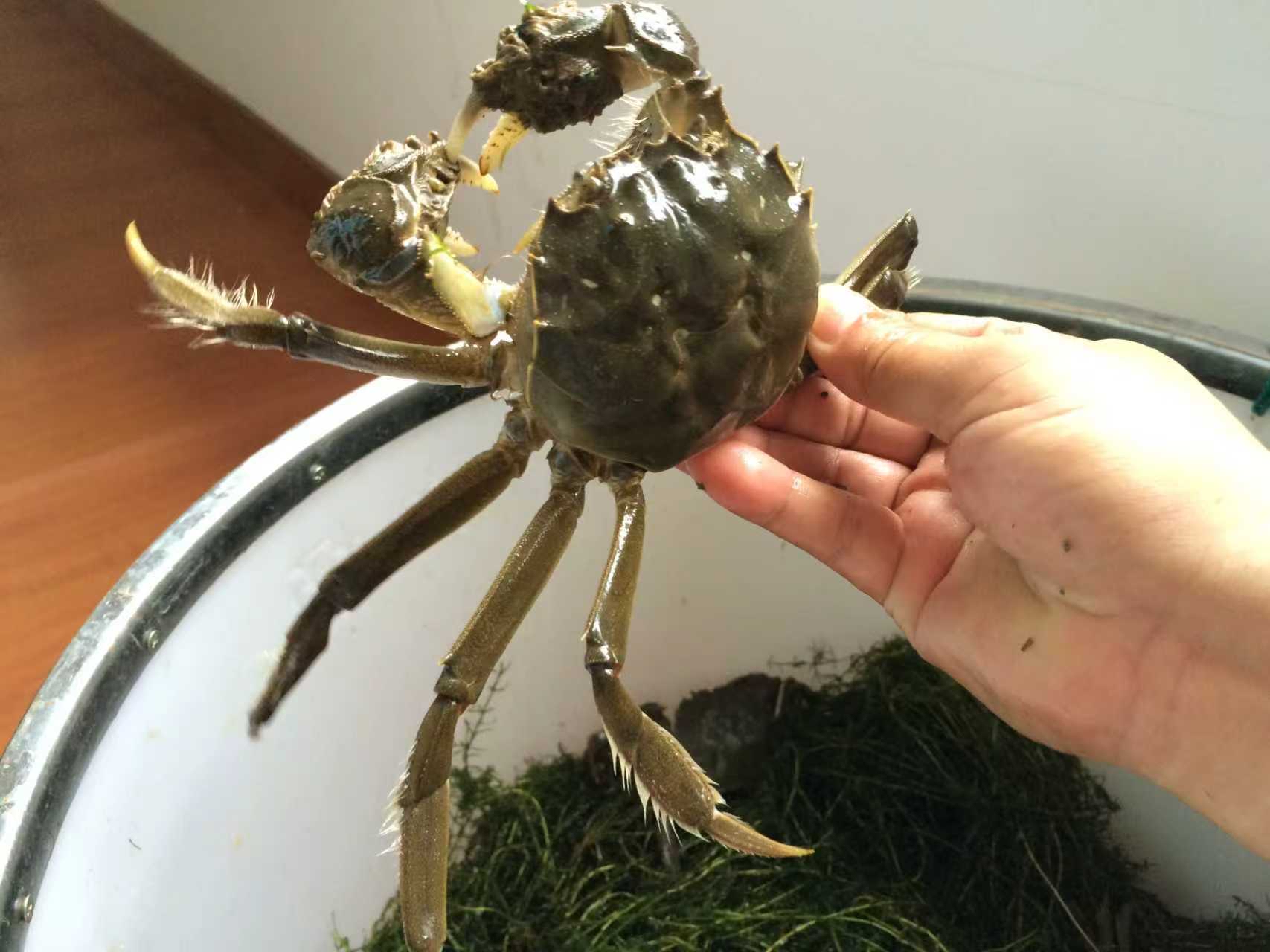
四两蟹二两绳,大闸蟹的“水分”咋就挤不干净?
Xin Hua She· 2025-11-21 03:40
Core Insights - The news highlights ongoing issues in the Chinese hairy crab market, particularly regarding weight discrepancies and quality concerns, leading to increased consumer complaints during the peak consumption season [1][2][5]. Group 1: Market Issues - Consumers are facing significant problems with the weight of hairy crabs, with reports indicating that the weight of the packaging can account for a substantial portion of the total weight, such as a four-ounce crab having two ounces of string [2][3]. - There are complaints about the authenticity of crab cards, with consumers receiving crabs that do not match the specifications advertised, leading to discrepancies in expected versus actual weight [2][4]. - Quality issues are prevalent, with reports of receiving empty or dead crabs despite claims of high quality from sellers, and difficulties in contacting customer service for returns [2][4]. Group 2: Regulatory Challenges - The lack of effective regulation from local associations and departments contributes to the ongoing issues in the hairy crab market, allowing for the sale of counterfeit products and misleading practices [4][5]. - Some regions have attempted to implement traceable crab tags and QR codes to combat fraud, but the management remains fragmented, allowing unscrupulous sellers to easily acquire and misuse these tags [4][5]. - There is a call for stronger regulatory measures, including increased enforcement against short-weight and substandard products, as well as improved consumer complaint channels [5][6]. Group 3: Consumer Sentiment - Consumers express frustration over the deceptive practices in the crab market, with sentiments reflecting a sense of being misled by sellers [5][6]. - The need for a robust regulatory framework is emphasized to ensure the integrity of the hairy crab brand and quality, aiming to enhance the overall consumer experience during the peak season [6].