
蟹卡

Search documents
四两蟹二两绳,大闸蟹的“水分”咋就挤不干净
Bei Jing Qing Nian Bao· 2025-11-24 10:36
Core Viewpoint - The news highlights ongoing issues in the Chinese hairy crab market, including weight discrepancies, counterfeit products, and inadequate regulatory oversight, leading to consumer dissatisfaction and complaints [1][2][3]. Group 1: Market Issues - Consumers have reported significant discrepancies in crab weights, with some crabs being sold with heavy packaging that inflates their weight, such as ropes weighing up to half the crab's weight [1]. - There are complaints about the quality of crabs received, with reports of "empty shell crabs" and dead crabs being delivered instead of the advertised products [2]. - The rise of counterfeit products has been noted, with some sellers using fake crab tags to misrepresent their products as authentic Yangcheng Lake hairy crabs [2][3]. Group 2: Regulatory Challenges - The lack of effective regulation and oversight from local associations and departments has allowed these issues to persist, with some sellers exploiting loopholes in the system [3][4]. - Efforts to implement traceable crab tags and improve regulatory measures have been hindered by the decentralized management of crab tags, allowing unscrupulous sellers to easily acquire and misuse them [3][4]. - Local market regulatory departments have acknowledged the issues and are reportedly investigating and improving their measures to address the problems in the hairy crab market [4][5]. Group 3: Consumer Sentiment - Consumers express frustration over the deceptive practices in the crab market, feeling that they are often misled by sellers [4]. - There is a call for stronger regulatory measures to ensure the integrity of the hairy crab market, emphasizing the need for a comprehensive oversight system from production to sale [4][5].
千元蟹卡成本仅百元,独家揭秘→
第一财经· 2025-11-22 07:46
Core Viewpoint - The article highlights issues in the hairy crab market, particularly focusing on the problems of weight discrepancies and inflated prices associated with crab cards, which are often used for gifting purposes [3][4][6]. Group 1: Weight Discrepancies - Consumers have reported significant weight discrepancies when purchasing hairy crabs, with some receiving crabs that weigh up to 50% less than advertised [7]. - A recent test revealed that out of 10 crabs purchased with a crab card, 5 were found to be underweight, with some crabs missing over 30% of their expected weight [7][8]. - The Jiangsu Consumer Protection Committee has set standards for crab weights, stating that the weight should reflect the net weight of the crab alone, with a permissible error of no more than 7% [8]. Group 2: Price Inflation - The prices of crab cards are often inflated, with some cards priced at thousands of yuan while their actual cost may only be a few hundred yuan [9]. - The market for crab cards is characterized by significant price fluctuations, allowing sellers to adjust prices based on consumer demand and complaints [11]. - The average purchase price for 4-tael male crabs has decreased by at least 10% compared to previous years, with current market prices reported at 40 yuan per jin for ordinary crabs and 65 yuan for premium crabs [11][12]. Group 3: Market Dynamics - Despite an increase in crab production, the actual supply of authentic Yangcheng Lake hairy crabs remains limited, leading to potential misrepresentation in the market [14][16]. - The total production of Yangcheng Lake hairy crabs is estimated at around 10,350 tons for the year, with a significant portion coming from high-standard pond farming [16]. - The industry is shifting towards quality over quantity, with a focus on premium products for both domestic and export markets [19]. Group 4: Export Opportunities - The Yangcheng Lake hairy crab industry is exploring international markets, with exports to countries like South Korea, Malaysia, and Singapore increasing [18]. - The total direct output value of Yangcheng Lake hairy crabs is projected to be around 4.5 billion yuan, contributing to a total industry scale of approximately 35 billion yuan [19].

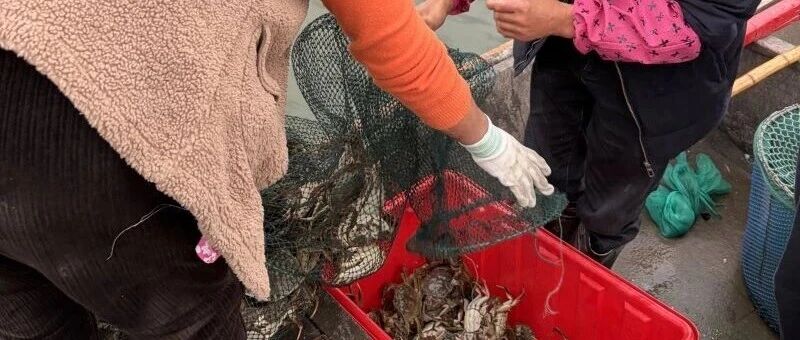
独家调查|大闸蟹的江湖:正宗阳澄湖并不多见,短斤少两、卡券虚标却常有
Di Yi Cai Jing· 2025-11-22 07:27
Core Insights - The crab card exchange for hairy crabs is facing issues of underweight and inflated prices, with some merchants using replacement strategies to appease customers, while the actual production of authentic Yangcheng Lake hairy crabs is limited, leading to a mixed market [1][3][11] Group 1: Weight and Pricing Issues - There have been numerous complaints regarding underweight hairy crabs, with reports of consumers receiving crabs weighing significantly less than advertised, with some cases showing a 30% weight deficit [3][4] - The price of crab cards is often inflated, with some cards priced at thousands of yuan while their actual cost is only a few hundred yuan, leading to significant profit margins for sellers [5][8] Group 2: Market Dynamics and Consumer Behavior - The crab card system is primarily used for gifting, which reduces the likelihood of consumers pursuing complaints, allowing merchants to handle issues amicably to avoid conflict [4][5] - The market for hairy crabs is experiencing a price drop due to increased production, with reports indicating a decrease of at least 10% compared to previous years [8][9] Group 3: Production and Quality - Despite an increase in overall production, the genuine Yangcheng Lake hairy crabs remain scarce, with many marketed as such actually being from other regions [11][13] - The production of Yangcheng Lake hairy crabs is projected to be around 10,350 tons for the year, with a significant portion of the market being supplied through direct sales rather than online platforms [12][13] Group 4: Regulatory and Market Response - Regulatory bodies have initiated measures to address the issues in the hairy crab market, including the removal of non-compliant merchants and products from platforms like Douyin [5][8] - The industry is moving towards quality-focused sales strategies, with an emphasis on premium products for both domestic and export markets [16][17]
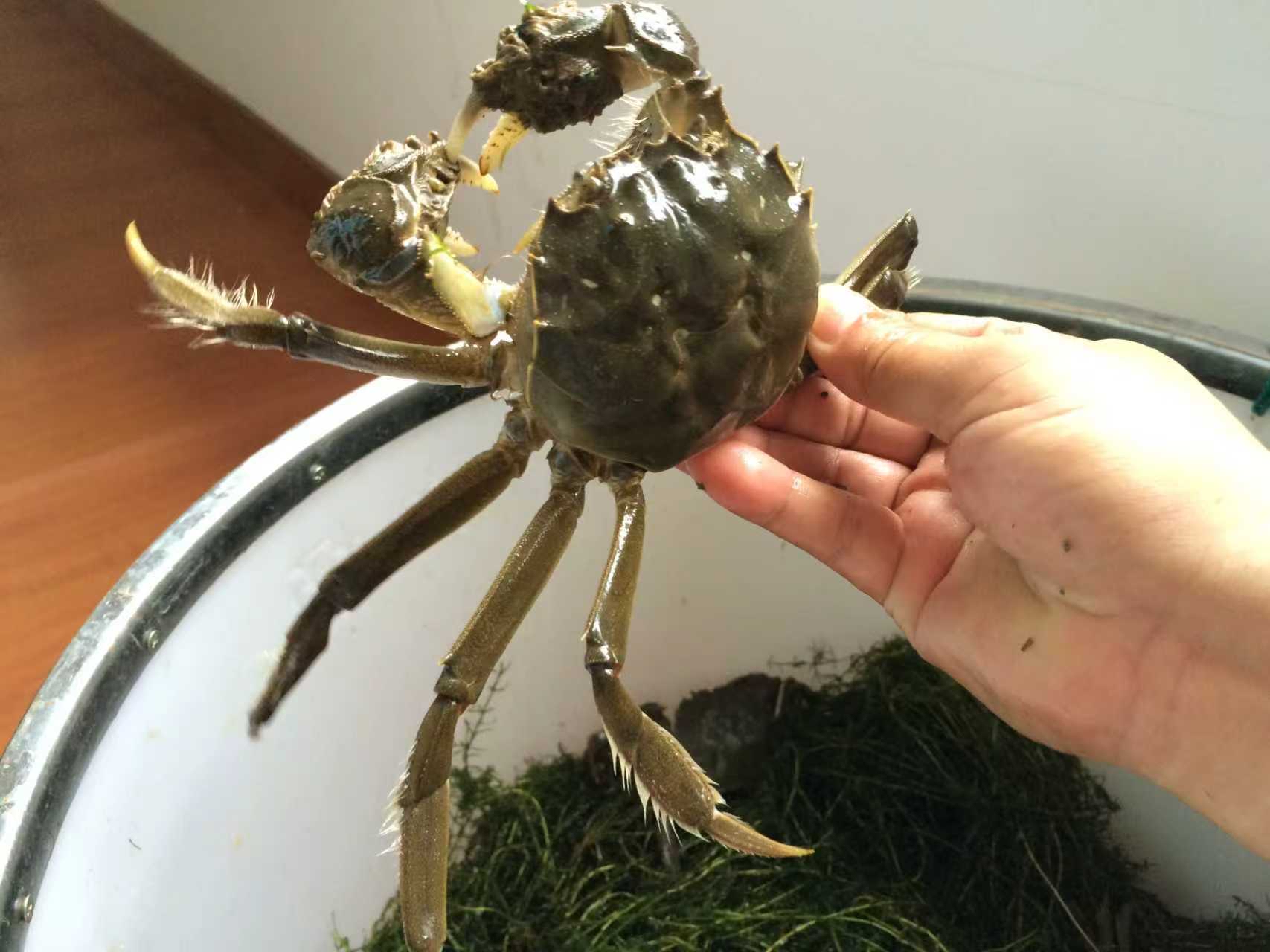
千笔楼|四两蟹二两绳,大闸蟹的“水分”咋就挤不干净?
Xin Hua Wang· 2025-11-21 03:23
Core Viewpoint - The article highlights ongoing issues in the Chinese hairy crab market, particularly regarding weight discrepancies and quality concerns, leading to increased consumer complaints during the peak consumption season. Group 1: Consumer Complaints - As the peak season for hairy crabs arrives, consumer complaints about weight discrepancies and quality issues have surged, with reports of crabs being sold with excessive packaging weight [2][4] - Consumers have reported that the weight of the packaging, such as ropes used to bundle crabs, can significantly reduce the actual weight of the crabs purchased, leading to dissatisfaction [2][6] Group 2: Quality and Authenticity Issues - Many consumers have encountered problems with receiving crabs that do not match the specifications advertised, including receiving empty or dead crabs instead of the promised quality [6][7] - The rise in counterfeit products has been noted, with some vendors using fake crab tags to misrepresent the origin and quality of their crabs, particularly those claiming to be from the prestigious Yangcheng Lake [6][9] Group 3: Regulatory Challenges - The article discusses the lack of effective regulation in the hairy crab market, which allows unscrupulous vendors to exploit consumers by manipulating weights and quality [7][9] - Local crab associations have attempted to implement traceable crab tags, but the effectiveness is undermined by the ease of purchasing these tags without proper oversight [9][11] Group 4: Proposed Solutions - Recommendations include establishing a comprehensive regulatory system that allows for traceability from the source to the consumer, thereby reducing the opportunities for fraud [11] - Enhancing consumer complaint channels and ensuring swift resolutions are also suggested to improve consumer trust and market integrity [11]

人民财评:螃蟹是用来吃的 不是用来“炒”的
Ren Min Wang· 2025-10-25 11:14
Core Viewpoint - The market for hairy crabs in China is experiencing significant growth, but issues related to crab card redemption and quality are causing consumer dissatisfaction [1][2]. Group 1: Market Overview - The production of hairy crabs in China has been on the rise since 2016, reaching a historical high of over 7 billion crabs in 2023 [1]. - Crab cards, which are prepaid vouchers for purchasing crabs, have become popular among consumers for their convenience and the ability to secure sales for merchants [1]. Group 2: Consumer Issues - Consumers are facing difficulties in redeeming crab cards, with reports of delays and poor-quality crabs, including dead crabs and discrepancies in size [2]. - Some merchants are exceeding their operational capacity, leading to issues such as substandard products and misrepresentation of crab quality [2]. Group 3: Regulatory Recommendations - To address the market chaos surrounding crab cards, it is suggested to implement stronger regulations, including binding crab cards to actual crabs and requiring issuers to deposit a guarantee [3]. - The focus should be on ensuring that crab cards serve their intended purpose as a consumption voucher rather than becoming a speculative trading instrument [3].
螃蟹是用来吃的不是“炒”的
Ren Min Wang· 2025-10-24 12:51
Core Insights - The market for hairy crabs in China is experiencing significant growth, with production reaching a historical high of over 7 billion crabs in 2023, driven by expanding farming scales [1] - Crab cards, which are prepaid vouchers for purchasing crabs, have become popular but are facing issues such as difficulty in redemption and discrepancies in crab quality and size [2] - The misuse of crab cards has led to a shift from being a consumption certificate to a value medium, with some merchants engaging in speculative trading rather than actual sales of crabs [2] Group 1 - The crab card market is characterized by frequent consumer complaints regarding redemption difficulties and quality issues, including dead crabs and discrepancies in size [2] - The expansion of the crab card market has led to some merchants exceeding their operational capabilities, resulting in attempts to sell subpar products [2] - The ideal scenario of a win-win situation among merchants, consumers, and the crab card system is contingent upon the authenticity of the crab cards [1][2] Group 2 - To address the issues surrounding crab cards, it is essential to implement stronger regulations and improve consumer experience by eliminating capital games associated with crab cards [3] - Suggestions include binding crab cards to actual crabs through technological means and requiring issuers to deposit a guarantee to prevent misuse [3] - Effective regulation is necessary to protect consumer rights and ensure the healthy development of the hairy crab industry [3]
螃蟹是用来吃的,不是用来“炒”的
Ren Min Wang· 2025-10-24 01:56
Core Insights - The market for hairy crabs in China is experiencing significant growth, with production reaching a historical high of over 7 billion crabs in 2023, driven by expanding farming scales [1] - However, the crab card system, which was intended to facilitate sales and consumer convenience, is facing issues such as difficulty in redemption and quality concerns, leading to consumer dissatisfaction [2] - There is a need for regulatory measures to address the rampant issues surrounding crab cards, including the prevention of speculative trading and ensuring the authenticity of the products [3] Group 1: Market Overview - The hairy crab market has become a staple in Chinese households, with a continuous increase in production since 2016 [1] - Crab cards are categorized into model cards and cash cards, with model cards often being sold at a significant discount, leading to discrepancies in product quality [1] Group 2: Consumer Issues - Consumers report challenges in redeeming crab cards, with some experiencing delays of several years before successful redemption [2] - Quality complaints include receiving dead crabs, poor quality meat, and discrepancies in size compared to what was purchased [2] Group 3: Regulatory Recommendations - To improve the situation, it is suggested to implement technology that links crab cards to actual crabs to prevent the issuance of non-existent cards [3] - A proposal includes requiring crab card issuers to deposit a percentage of funds as a guarantee and to have third-party management of the funds to ensure accountability [3]
今秋第一批吃蟹的,成了大冤种?
36氪· 2025-10-14 10:43
Core Viewpoint - The article highlights the disappointing experiences of consumers purchasing hairy crabs this season, particularly focusing on issues related to product quality and the difficulties in redeeming crab cards, which have led to widespread dissatisfaction and complaints against brands like "Crab Lady" [5][10][36]. Group 1: Consumer Experience - Many consumers reported receiving crabs of poor quality, with issues such as empty shells, bitter taste, and unformed crab roe and fat [5][10][12]. - The brand "Crab Lady" has been particularly criticized, with customers finding the crabs they received to be lacking in meat and flavor, contrary to the advertised quality [10][12][36]. - Complaints about receiving dead crabs and discrepancies in weight have also been prevalent, further exacerbating consumer frustration [19][21][36]. Group 2: Redemption Issues - Consumers have faced significant challenges in redeeming crab cards, with many reporting that the redemption process is akin to a "battle," often encountering fully booked slots and unresponsive customer service [22][24]. - The disparity between the ease of purchasing crab cards and the difficulty of redeeming them has raised concerns about the business model of brands like "Crab Lady," which appears to prioritize sales over fulfillment [24][26]. - The article notes that the crab card system, while intended to manage supply and quality, has led to consumer losses due to unfulfilled orders and expired cards [26][29]. Group 3: Industry Complaints and Regulations - The article mentions that complaints regarding crab quality and redemption issues are not new, with a cumulative total of 5,459 complaints recorded on third-party platforms [35]. - "Crab Lady" has faced repeated scrutiny and was even suspended from the local crab industry association due to allegations of false advertising and quality issues [36][38]. - Regulatory measures have been introduced to address the sale of crab cards and ensure better consumer protection, including requirements for businesses to maintain a certain operational history and financial guarantees [39][40].
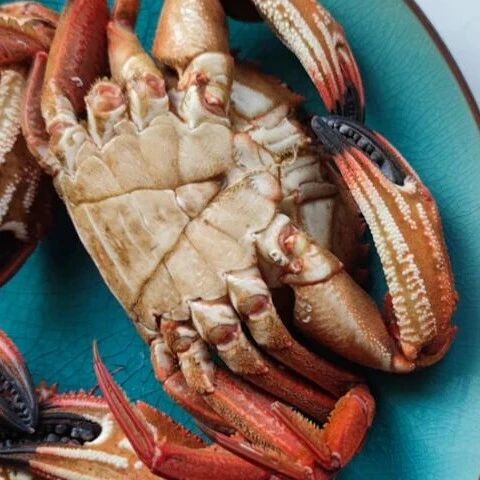
今秋第一批吃蟹的,成了大冤种?
虎嗅APP· 2025-10-13 09:44
Core Viewpoint - The article discusses the disappointing experiences of consumers purchasing live crabs and crab cards during the annual crab season, highlighting issues with product quality and redemption difficulties [4][5][6]. Group 1: Product Quality Issues - Many consumers reported receiving crabs of poor quality, including empty shells, bitter taste, and unformed crab roe and fat, which did not meet the advertised standards [7][8]. - Some consumers received dead crabs upon delivery, raising concerns about freshness and potential food safety risks [7][8]. - Complaints about weight discrepancies were also noted, with some consumers receiving less than what they paid for [8]. Group 2: Redemption Difficulties - The process of redeeming crab cards has been described as frustrating, with many consumers facing challenges in booking their orders due to fully booked slots and unresponsive customer service [10][11]. - The business model of selling crab cards, which is intended to manage supply and quality, has led to inefficiencies and consumer dissatisfaction, as many are unable to redeem their purchases in a timely manner [10][11]. - There are concerns that companies may profit from unredeemed cards, as a significant portion of consumers may not follow through with redemption, leading to potential financial gains for the sellers [12]. Group 3: Consumer Complaints and Industry Response - The article notes that complaints regarding crab quality and redemption issues are not new, with a cumulative total of 5,459 complaints recorded on third-party platforms [14]. - The brand "Crab Lady" has been frequently mentioned in complaints and has faced penalties from industry associations for practices such as false advertising and selling products with weight discrepancies [15][16]. - Regulatory measures have been introduced to address these issues, including standards for online crab card sales and penalties for non-compliance, aimed at improving the overall market environment [16][17].
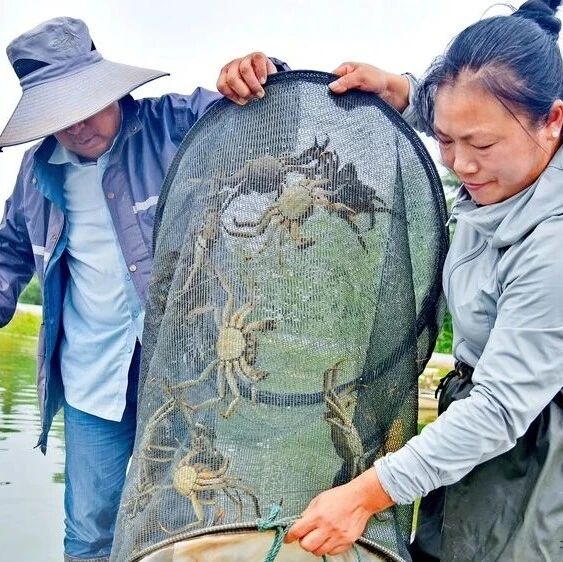
今秋第一批吃蟹的,成了大冤种?
Hu Xiu· 2025-10-12 13:14
Core Insights - The annual crab season has begun, coinciding with the National Day and Mid-Autumn Festival, leading to increased consumer demand for hairy crabs [2] - Many consumers have reported disappointing experiences with crab quality, including issues such as empty shells, bitter taste, and dead crabs upon delivery [2][6][7] - The brand "Crab Lady" has faced significant consumer backlash, with complaints about the quality of their crabs not matching promotional claims [6][16] Group 1: Consumer Experience - Consumers have encountered poor quality crabs, with reports of empty shells and unformed crab roe, leading to dissatisfaction [6][7] - The experience of purchasing crab cards has been frustrating, with many consumers unable to redeem them due to high demand and limited availability [10][12] - Complaints about crab quality and service have been persistent, with a total of 5,459 complaints recorded on third-party platforms [16] Group 2: Brand Reputation - "Crab Lady" has been a frequent subject of complaints, previously facing penalties from industry associations for issues like false advertising and short weights [16][17] - The brand's sales model, which relies on pre-sale crab cards, has led to consumer frustration due to difficulties in redeeming these cards [10][13] - Regulatory measures have been introduced to address issues in the crab sales market, aiming to improve consumer protection and reduce fraudulent practices [19][20]