奔马精神

Search documents
东西问|徐小阳:为何徐悲鸿笔下的马,总在奔跑与嘶鸣?
Xin Lang Cai Jing· 2026-02-25 10:47
Core Viewpoint - The interview with Xu Xiaoyang, the grandson of Xu Beihong, explores the significance of horses in Xu Beihong's art, emphasizing their representation of passion, hope, and the spirit of perseverance in the face of adversity [3][4][10]. Group 1: Significance of Horses in Xu Beihong's Art - For Xu Beihong, horses symbolize a silent confidant, embodying his life's passions, worries, and hopes. His depictions often show horses in dynamic, powerful poses rather than at rest, reflecting the tumultuous times he lived in [4]. - Xu Beihong's early works convey feelings of isolation and despair, while his later pieces express a longing for national resilience amidst turmoil. His painting "Galloping Horses" created in 1941 exemplifies this, showcasing horses in vigorous motion, symbolizing hope for overcoming national crises [4][10]. Group 2: East-West Cultural Integration - Xu Beihong's approach to art was influenced by the late Qing and early Republican movements advocating for the reform of Chinese painting. He studied Western techniques, focusing on anatomy and perspective, to enhance his artistic expression without replacing traditional Chinese methods [6]. - His integration of Western realism with Eastern expressive techniques allowed him to create works that are both structurally sound and rich in cultural essence, exemplifying a successful fusion of the two traditions [6][8]. Group 3: Lessons for the Younger Generation - Xu Xiaoyang emphasizes the importance of understanding one's cultural roots before engaging in cultural exchanges. He advocates for a creative attitude that balances tradition with innovation, encouraging young artists to deeply explore their heritage [8]. - The concept of "active dialogue" in cultural exchange is highlighted, where artists should not merely present superficial symbols but engage in meaningful interactions that foster understanding and appreciation of different cultures [8][10]. Group 4: The Spirit of the Horse in Cultural Context - In Chinese culture, horses symbolize vitality and perseverance, often associated with philosophical meanings and aspirations for personal growth. In contrast, Western traditions link horses to heroism and conquest, representing individual courage and the drive for exploration [10]. - Xu Beihong viewed horses as embodiments of resilience and determination, reflecting a universal spirit of striving forward regardless of circumstances, a message that remains relevant today [10][11].


(新春见闻)徐悲鸿笔下的那匹马,仍在奔跑
Xin Lang Cai Jing· 2026-02-22 06:36
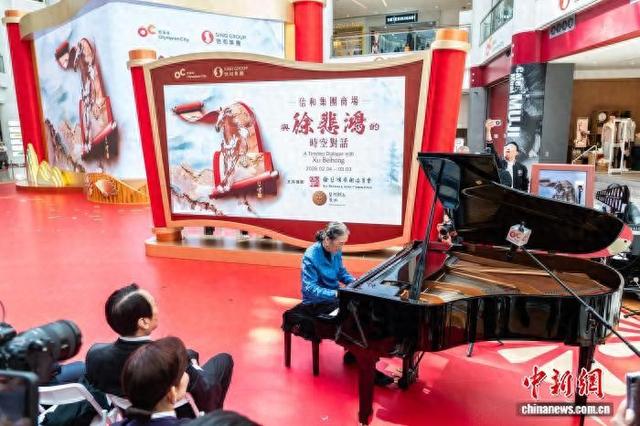
Core Viewpoint - The article highlights the enduring significance of Xu Beihong's horse paintings, symbolizing resilience and the spirit of the Chinese people, particularly through the lens of his daughter, Xu Fangfang, who emphasizes the deeper meaning behind her father's art [1][3][5]. Group 1: Exhibition and Cultural Significance - The exhibition "Dialogue with Xu Beihong" recently opened in Hong Kong, celebrating the Year of the Horse and showcasing the cultural impact of Xu Beihong's work [1][3]. - Xu Fangfang, Xu Beihong's youngest daughter, performed a piano piece at the event, linking her father's artistic legacy to contemporary celebrations [3]. Group 2: Artistic Philosophy - Xu Fangfang explains that her father's horse paintings are not merely representations of form but reflections of his inner thoughts and ideals, emphasizing freedom and resilience [3][5]. - Xu Beihong's choice to depict horses that are free and unrestrained symbolizes his own spirit and the broader aspirations of the Chinese people during turbulent times [3][5]. Group 3: Historical Context and Legacy - One of Xu Beihong's most memorable horse paintings was created in 1941 during a time of war, reflecting his concern for the nation and his commitment to supporting relief efforts for those affected by conflict [3][5]. - Xu Fangfang aims to share her father's artistic messages with a global audience, translating the stories behind the paintings into English to convey their significance beyond cultural boundaries [5]. Group 4: Enduring Values - The "spirit of the galloping horse" represents qualities such as perseverance, courage, and the relentless pursuit of ideals, which Xu Fangfang believes remain relevant today [5].
在骏马奔腾中感悟时代力量
Xin Hua Wang· 2026-02-22 05:28
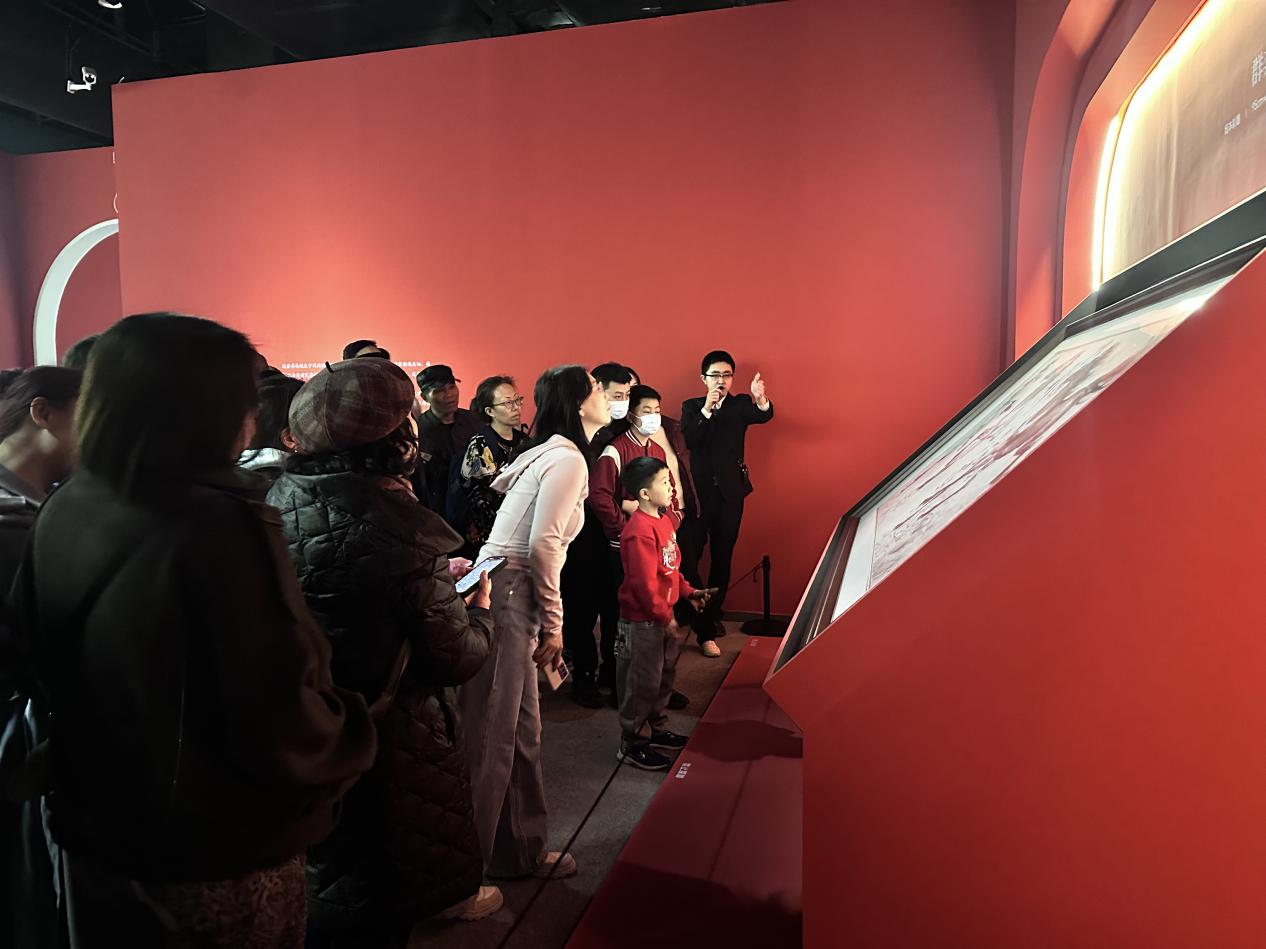
Core Viewpoint - The Xu Beihong Memorial Museum is hosting a "Horse" themed cultural exhibition to celebrate the Year of the Horse, attracting numerous visitors eager to engage with the art and its historical significance [1][2]. Group 1: Exhibition Highlights - The exhibition features over 100 horse-themed artworks spanning different historical periods, including pieces from the Eastern Jin, Tang, and Jin dynasties, as well as Xu Beihong's renowned works like "Galloping Horses" and "Three Horses" [2][4]. - The museum offers free guided tours to help visitors understand the stories behind the artworks and the emotional power they convey [2][10]. - Xu Beihong's horse paintings reflect various themes, from the serene and poetic to the vigorous and hopeful, particularly during the wartime and post-war periods [4][5]. Group 2: Cultural Significance - The horse symbolizes resilience and strength, representing a prosperous future and the spirit of perseverance, resonating with visitors' aspirations for the new year [5][9]. - The "Three Horses" painting, depicting a harmonious family scene, conveys wishes for health, happiness, and success, appealing to audiences of all ages [7][9]. - The exhibition is part of Beijing's New Year cultural activities, enhancing community engagement and appreciation for art [9][12]. Group 3: Merchandise and Visitor Engagement - The museum has launched themed cultural products, including metal fridge magnets and badges, which embody the spirit of the horse and the positive connotations of the new year [9][11]. - Visitors are actively purchasing souvenirs that symbolize their hopes for the Year of the Horse, with items like the "Horse Year has Strength" badge being particularly popular [11][12]. - The interaction among visitors, including discussions about their chosen memorabilia, highlights the emotional connection and cultural significance of the exhibition [11][12].