中西融合

Search documents
东西问|徐小阳:为何徐悲鸿笔下的马,总在奔跑与嘶鸣?
Xin Lang Cai Jing· 2026-02-25 10:47
Core Viewpoint - The interview with Xu Xiaoyang, the grandson of Xu Beihong, explores the significance of horses in Xu Beihong's art, emphasizing their representation of passion, hope, and the spirit of perseverance in the face of adversity [3][4][10]. Group 1: Significance of Horses in Xu Beihong's Art - For Xu Beihong, horses symbolize a silent confidant, embodying his life's passions, worries, and hopes. His depictions often show horses in dynamic, powerful poses rather than at rest, reflecting the tumultuous times he lived in [4]. - Xu Beihong's early works convey feelings of isolation and despair, while his later pieces express a longing for national resilience amidst turmoil. His painting "Galloping Horses" created in 1941 exemplifies this, showcasing horses in vigorous motion, symbolizing hope for overcoming national crises [4][10]. Group 2: East-West Cultural Integration - Xu Beihong's approach to art was influenced by the late Qing and early Republican movements advocating for the reform of Chinese painting. He studied Western techniques, focusing on anatomy and perspective, to enhance his artistic expression without replacing traditional Chinese methods [6]. - His integration of Western realism with Eastern expressive techniques allowed him to create works that are both structurally sound and rich in cultural essence, exemplifying a successful fusion of the two traditions [6][8]. Group 3: Lessons for the Younger Generation - Xu Xiaoyang emphasizes the importance of understanding one's cultural roots before engaging in cultural exchanges. He advocates for a creative attitude that balances tradition with innovation, encouraging young artists to deeply explore their heritage [8]. - The concept of "active dialogue" in cultural exchange is highlighted, where artists should not merely present superficial symbols but engage in meaningful interactions that foster understanding and appreciation of different cultures [8][10]. Group 4: The Spirit of the Horse in Cultural Context - In Chinese culture, horses symbolize vitality and perseverance, often associated with philosophical meanings and aspirations for personal growth. In contrast, Western traditions link horses to heroism and conquest, representing individual courage and the drive for exploration [10]. - Xu Beihong viewed horses as embodiments of resilience and determination, reflecting a universal spirit of striving forward regardless of circumstances, a message that remains relevant today [10][11].

中泰证券:快餐市场重焕生机 产品创新增时运营
智通财经网· 2026-02-09 06:34
Group 1 - The core viewpoint of the report indicates that the fast food market in China is stabilizing and showing strong growth resilience after experiencing fluctuations in store numbers and average spending per customer due to macroeconomic influences and changing market demands [1][2] - The Chinese restaurant market is dominated by Chinese fast food, which accounts for over 47.0% of the market, while Western fast food holds a 2.1% share, with nearly 4 million stores combined [2] - The report highlights that the market for Western fast food is expected to continue expanding, with a projected market size exceeding 300 billion by 2025, driven by a trend towards more diverse product offerings and a focus on quality over price [2][3] Group 2 - Recent trends in the fast food sector include a shift of store distribution towards lower-tier cities, accelerated product innovation, and an increase in all-day operations to maximize store utilization [3] - The average new product launch rate for KFC is 7.5 items per month, showcasing a focus on product diversity, including offerings like Chinese breakfast items and healthy options [3] - Consumer preferences are shifting towards a balance of quality and price, with a significant portion of fast food consumption occurring at an average price point of 30 yuan or below [2][3]

上海南外滩轻纺面料市场一派热闹:剪刀划过布料的簌簌声与多语种的交谈声交织 众多外籍顾客来沪“做件衣服”回去
Jie Fang Ri Bao· 2026-01-30 01:49
Core Viewpoint - The Shanghai South Bund Textile Market is experiencing a surge in popularity, particularly among foreign customers, driven by a combination of visa-free policies and a unique customization service that caters to individual preferences [1][5]. Group 1: Market Dynamics - The market is bustling with activity as foreign consumers flock to customize suits, qipaos, and traditional Chinese garments, with long queues forming for orders [1]. - Foreign customers now account for 50% to 60% of the market's clientele, with some shops reporting that foreign sales make up over 70% of their business [2]. - The market has transformed from a traditional textile hub to a vibrant destination for personalized fashion, attracting international visitors through platforms like Cat Travel and Xiaohongshu [2]. Group 2: Customization Trends - There is a growing trend for personalized and unique clothing, with customers often requesting specific designs and details that reflect their individual tastes [4]. - The "come with a picture" customization service is particularly popular, allowing customers to bring in images for tailored creations [4]. - The market's ability to fulfill urgent orders, with some items ready for pickup the next day, aligns well with the tight schedules of international tourists [6]. Group 3: Market Evolution - The South Bund Textile Market has evolved through proactive changes and upgrades, enhancing its appeal and service offerings [5]. - The market provides a cost-effective alternative to international brands, with custom suits priced at one-third or less than those of high-end overseas stores [6]. - Recent improvements include the establishment of a café, renovations to the building's interior, and training programs for merchants to enhance their online presence and marketing skills [6].
蒋兆和300余件真迹在京展出,回望水墨转型百年之路
Xin Lang Cai Jing· 2026-01-25 09:59
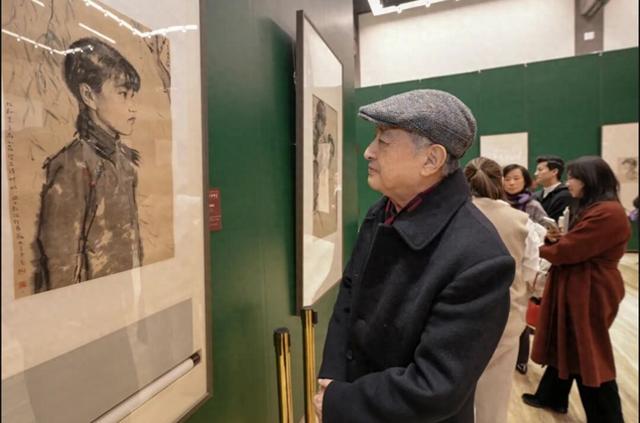
Group 1 - The exhibition "Modern Chinese Calligraphy and Painting Master Creation Research Series: Jiang Zhaohe Art Research" commemorates the 40th anniversary of Jiang Zhaohe's passing, showcasing over 300 artworks, sketches, and documents that reflect his artistic career spanning more than half a century [1][3] - Jiang Zhaohe is recognized as an important representative of the modern transformation of Chinese ink painting, integrating sketching techniques and Western modeling concepts into traditional Chinese painting, thus creating a new style that combines solid form with artistic expression [3][6] - The exhibition is structured into seven thematic units that trace the core spirit of the transformation of modern Chinese ink painting, highlighting Jiang's evolution from realistic themes in the 1930s and 1940s to depictions of laborers and emotionally resonant "heroic portraits" [6][8] Group 2 - The exhibition features valuable artifacts provided by Jiang Zhaohe's family, including 18 items donated for the 120th anniversary of his birth in 2024, such as "Portrait of Ah Q" [3][6] - Liu Wanming, the president of the China National Academy of Painting, stated that the exhibition serves as both a tribute to the master and a reflection on the modern transformation of ink figure painting, marking the beginning of the "Modern Chinese Calligraphy and Painting Master Creation Research Series" [8]
“广东美术百年大展”延期至3月8日,借此契机我们再谈谈他
Xin Lang Cai Jing· 2026-01-15 00:55
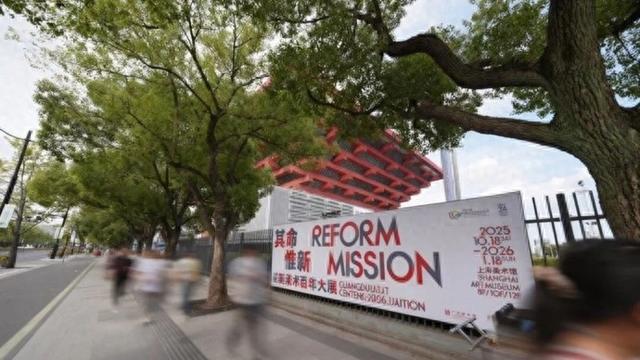
Core Viewpoint - The "Its Fate is Renewed - Guangdong Art Century Exhibition" at the Shanghai Art Museum has been extended until March 8, 2024, providing an opportunity to discuss Lin Fengmian's construction of a modern Chinese painting paradigm that is rooted in Eastern poetry yet possesses a global language [4][21]. Group 1: Historical Context and Artistic Fusion - The early 20th century saw a consensus in Chinese art regarding "Sinicization and Westernization" as a response to modernity, with even the Guangdong National Painting Research Association acknowledging the need to learn from Western art [6][7]. - The Guangdong National Painting Research Association published "National Painting Special Issue" in 1926, where traditional painters discussed the acceptance of Western techniques and expressionism [6]. - The debate on "fusion" concealed fundamental disagreements on the reasons and methods for such integration, leading to distinct paths represented by the Lingnan School, Xu Beihong, and Lin Fengmian [6][12]. Group 2: Influences of Western Art - Two main influences of Western art emerged in China: the classical-academic realism tradition and the modernist art tradition, each shaping the evolution of Chinese painting [7][10]. - The classical tradition emphasized realistic representation and was seen as a tool for national rejuvenation, while modernism offered a departure from narrative focus towards exploration of form and subjective experience [10][12]. - The interaction between Western realism and modernism with traditional Chinese aesthetics was complex, leading to a multi-faceted influence rather than a linear adoption [10][12]. Group 3: Lin Fengmian's Artistic Philosophy - Lin Fengmian proposed a "Sino-Western Harmony" that transcended mere technical integration, addressing the fundamental question of "what painting is" [12][13]. - His approach involved merging Chinese and Western artistic resources, emphasizing structural training and a comprehensive understanding of art history [13][15]. - Lin simplified traditional Chinese elements and integrated them with Western techniques, achieving a balance in line, color, and texture, as exemplified in his work "Qingyi Shini" [15][17]. Group 4: Broader Artistic Impact - Lin Fengmian expanded the boundaries of "tradition," advocating for a global perspective in art that included influences from various cultures beyond Europe [17][19]. - His exploration of folk art and traditional Chinese theater provided new visual languages, leading to a unique modern aesthetic that resonated with Chinese cultural roots [19]. - The retrospective view of Lin's work reveals a forward-thinking approach that liberated Chinese aesthetics from traditional constraints, allowing for a dialogue with global modern art [19][21].
情歌王子张信哲,为何对旗袍情有独钟?
Di Yi Cai Jing· 2025-12-24 05:19
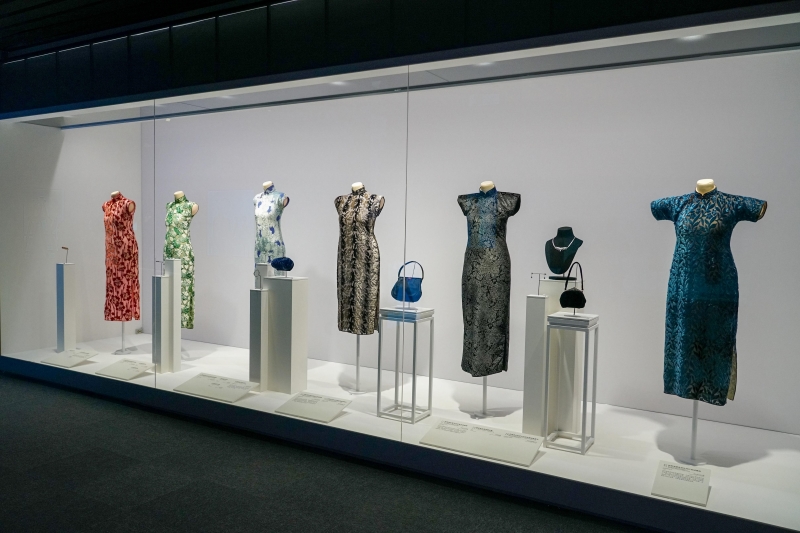
Core Viewpoint - The exhibition "Modern Huaying: Shanghai Style Qipao and a Century of Fashion" showcases the cultural significance and evolution of the qipao, a traditional Chinese dress, through various artifacts and collections, emphasizing its representation of Eastern beauty and modernity [1][3]. Group 1: Exhibition Overview - The exhibition will open on December 23 at the Shanghai Museum and will run until May 5, 2026, featuring over 306 pieces from various collections, including those of singer Zhang Xinzhe and donations from Bei Qia [1][3]. - Key exhibits include qipaos, fashionable women's shoes, handbags, and advertisements, highlighting the historical changes and cultural connotations of the qipao [1][3]. Group 2: Historical Context of Qipao - The qipao emerged in early 20th century Shanghai, evolving from traditional attire to modern fashion, reflecting a blend of Eastern and Western influences [3][5]. - The earliest qipaos in the exhibition date back to the 1920s, showcasing a design that combines traditional Chinese elements with Western styles, such as the use of imported fabrics and Art Deco patterns [3][5]. Group 3: Cultural Influence and Notable Figures - Influential women, including Song Qingling and Lin Huiyin, played a significant role in popularizing the qipao, with publications showcasing the latest styles and promoting the modern female image [7][8]. - The exhibition features historical photographs and stories that immerse visitors in the cultural atmosphere of the time, alongside other fashion items that complement the qipao [7][8]. Group 4: Evolution of Qipao Design - By the 1930s, the qipao's silhouette shifted to emphasize the female form, influenced by Western tailoring techniques, leading to a more fitted design that highlighted women's curves [8][10]. - The 1940s saw a simplification of the qipao due to wartime constraints, with designs becoming more functional and practical while still retaining traditional aesthetics [10][12]. Group 5: Modern Interpretations and Global Influence - In the 1960s, the qipao began to incorporate elements of Western fashion, evolving into a modern outfit that could be paired with various styles, reflecting a blend of cultural influences [14][16]. - The qipao's design elements have increasingly appeared in international fashion, showcasing the transition of Eastern aesthetics from exoticism to a recognized design identity on the global stage [14][16].
新股前瞻|利润表逆袭vs资产负债表承压:透视龙丰集团IPO的双面故事
智通财经网· 2025-12-08 06:15
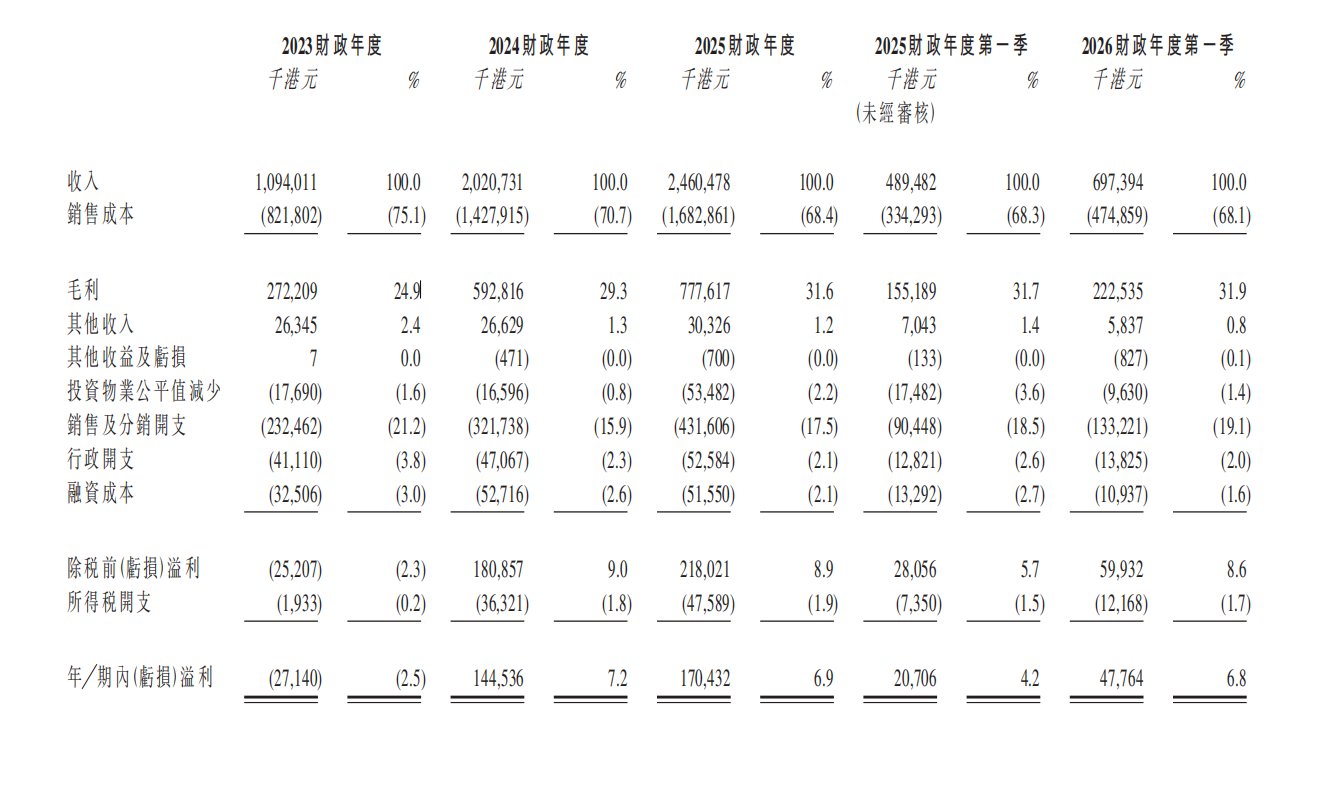
Group 1: Company Overview - Long Fung Group Holdings Limited has submitted its main board listing application to the Hong Kong Stock Exchange, with DBS Asia Capital as the sole sponsor [1] - The company holds a 5.2% market share, making it the largest pharmaceutical retailer in Hong Kong, and also the largest cosmetic retailer by average SKU per store [2][3] Group 2: Business Operations - Long Fung operates 29 retail stores in Hong Kong and various online channels, including its official website and major e-commerce platforms [2] - The company has a diverse product matrix covering 11 categories, including traditional Chinese medicine, Western medicine, health supplements, and cosmetics, with over 46,000 SKUs sold during the reporting period [2] Group 3: Financial Performance - Revenue has shown significant growth from HKD 1.094 billion in FY2023 to HKD 2.460 billion in FY2025, with a gross margin improvement from 24.9% to 31.6% during the same period [3][4] - The company transitioned from a loss of HKD 25.2 million in FY2023 to a profit of HKD 218 million in FY2025, with a tax-pre profit of HKD 59.9 million in Q1 FY2026, reflecting over 100% year-on-year growth [4][5] Group 4: Market Trends - The Hong Kong pharmaceutical market is projected to grow from approximately HKD 57.88 billion in 2020 to HKD 85.08 billion in 2024, with a compound annual growth rate (CAGR) of 10.1% [7] - Key structural trends driving market growth include the integration of traditional Chinese and Western medicine, and the rising demand for personalized healthcare solutions [8] Group 5: Competitive Landscape - The market is highly fragmented, with the top five retailers holding only 14.6% of the market share, indicating ongoing competitive challenges for Long Fung [8] - Rising operational costs, particularly in labor and warehouse rental, are expected to continue impacting profitability [9] Group 6: Strategic Outlook - The company aims to leverage capital market opportunities to strengthen its market position and operational efficiency while exploring new growth avenues [11] - Long Fung's financial performance reflects a complex interplay of growth potential and financial risks, necessitating close monitoring of its liquidity and equity structure [11]
利润表逆袭vs资产负债表承压:透视龙丰集团IPO的双面故事
Zhi Tong Cai Jing· 2025-12-08 06:14
Core Viewpoint - Long Fung Group has submitted its application for a mainboard listing on the Hong Kong Stock Exchange, positioning itself as the largest pharmaceutical retailer in Hong Kong with a market share of 5.2% and the largest beauty retail operator by average SKU per store, reflecting its deep understanding of consumer needs and strategic positioning over the past 30 years [1][2]. Company Overview - Long Fung Group operates a chain of retail drugstores under the "Long Fung" brand, with 29 physical stores and multiple online channels, achieving a market-leading position in Hong Kong's pharmaceutical retail sector [2]. - The company has a diverse product matrix covering 11 categories, including traditional Chinese medicine, Western medicine, health supplements, and beauty products, with over 46,000 SKUs sold during the reporting period [2]. Financial Performance - Revenue has shown significant growth from HKD 1.094 billion in the 2023 fiscal year to HKD 2.460 billion in the 2025 fiscal year, with a notable improvement in gross margin from 24.9% to 31.6% during the same period [3][4]. - The company transitioned from a loss of HKD 25.2 million in the 2023 fiscal year to a profit of HKD 218 million in the 2025 fiscal year, with a tax-pre profit of HKD 59.9 million in the first quarter of the 2026 fiscal year, indicating a remarkable turnaround [4]. Market Dynamics - The Hong Kong pharmaceutical market is projected to grow from approximately HKD 57.88 billion in 2020 to HKD 85.08 billion by 2024, with a compound annual growth rate (CAGR) of 10.1% [7]. - Key structural trends driving market growth include the integration of traditional Chinese and Western medicine and the rising demand for personalized healthcare solutions among consumers [8]. Competitive Landscape - The market is highly fragmented, with the top five retailers holding only 14.6% of the market share, indicating ongoing competitive challenges for Long Fung Group despite its leading position [8]. - Rising operational costs, particularly in labor and warehouse rental, are expected to continue impacting profitability, with average monthly salaries in the retail sector increasing from HKD 19,353.5 in 2020 to HKD 21,471.0 in 2024 [9]. Strategic Outlook - As Long Fung Group approaches its IPO, the focus will be on leveraging capital market opportunities to strengthen its market position and operational efficiency while exploring new growth avenues for sustainable expansion [11]. - The company faces a complex landscape of growth potential intertwined with financial risks, necessitating careful management of its liquidity structure and equity base to ensure long-term stability [11].
洋快餐加速本土化,乳品巨头如何重塑供应链格局
Zhong Guo Shi Pin Wang· 2025-05-29 08:22
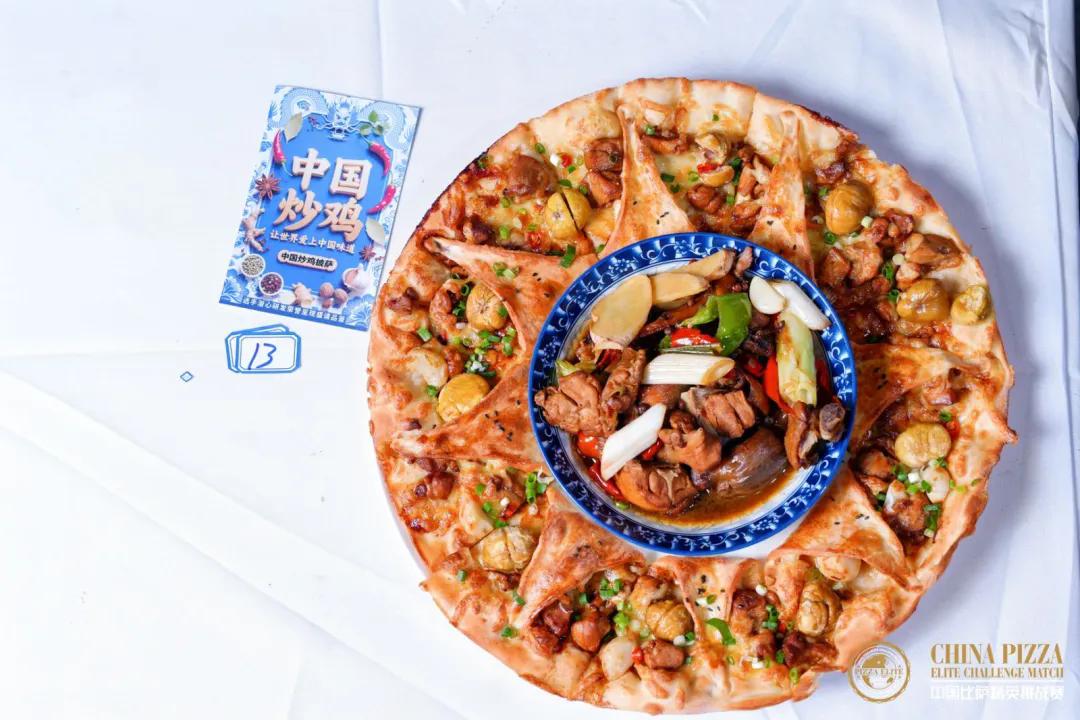
Group 1 - The core viewpoint of the articles highlights the acceleration of localization in Western fast food brands in China, emphasizing the strategy of "Sino-Western integration" to overcome growth bottlenecks in a competitive market [1][10] - As of March 2025, the number of Western fast food outlets in China is projected to reach 325,000, representing a year-on-year growth of 6.6%, with localization innovation becoming a key industry term [1] - Products like Chinese-style hamburgers and fried chicken are rapidly penetrating the market through flavor modifications, with brands like Tastin and McDonald's leading the way in localized offerings [1][10] Group 2 - The trend of deep localization in Western fast food is evident in the creation of uniquely Chinese pizzas, such as century egg tofu pizza and stir-fried chicken pizza, showcased at the 27th China International Bakery Exhibition [2][10] - Contestants at the pizza competition utilized traditional Chinese ingredients and cooking techniques, demonstrating the integration of local flavors into Western food formats [7][10] Group 3 - The use of domestic ingredients, such as high-quality milk sources from Yili, is becoming prevalent in the Western fast food sector, indicating a shift from reliance on imported ingredients to defining standards with local products [11][19] - Yili's mozzarella cheese products are tailored to meet Chinese taste preferences, addressing flavor conflicts between traditional Western cheese and Chinese ingredients [12][15] Group 4 - Yili Professional Dairy has emerged as a "product manufacturing machine," showcasing a range of innovative baked goods at the exhibition, indicating its potential to lead in the industry [20][22] - The company has developed a comprehensive product matrix that spans various dairy categories, catering to the diverse needs of the baking and restaurant sectors [30][33] Group 5 - Yili's investment in a 3 billion yuan cheese manufacturing base in Hohhot enhances its production capabilities, ensuring quality support for creative products showcased at the exhibition [37] - The brand's marketing strategy leverages high-profile endorsements, such as world champion Zheng Qinwen, to strengthen its recognition as a professional dairy brand [39][41]