学习动力

Search documents
你跟现在的孩子说好好学习,知识改变命运,他说“我为什么要改变”?
虎嗅APP· 2025-12-08 13:48
Core Viewpoint - The article discusses the psychological challenges faced by modern children, emphasizing their unmet psychological needs, the pressure from parental expectations, and the impact of technology on their development [4][5][22]. Group 1: Unmet Psychological Needs - Children today have their material needs met but struggle with existential questions about their purpose and meaning in life, leading to feelings of loneliness [6][7]. - The lack of open discussions about these feelings at home contributes to their sense of isolation, as children feel their emotional needs are overlooked [8][10]. Group 2: Misunderstood Love - Parents often express love through high expectations and pressure, which can lead children to feel that love is conditional and tied to performance [9][10]. - This duality creates confusion for children, who may perceive their parents as both loving and a source of stress, leading to emotional struggles [10][11]. Group 3: Technology and Learning - The prevalence of smartphones has led to a disconnect between children and traditional learning environments, with many children feeling that technology does not hinder their education [12][13]. - Parents often engage in conflicts over technology use, failing to recognize that children view smartphones as integral tools for social interaction and learning [13][14]. Group 4: Lack of Learning Motivation - A significant shift has occurred, with a reported increase in students feeling disengaged from learning, moving from 20% to 80% expressing disinterest [23][24]. - Children today often question the value of education in achieving traditional markers of success, such as home ownership, leading to a lack of intrinsic motivation to learn [25][26]. Group 5: Imbalance in Development - Modern parenting often emphasizes cognitive skills at the expense of practical life skills, resulting in children who excel academically but struggle with real-world challenges [29][30]. - This imbalance can lead to anxiety and withdrawal from social situations as children realize their capabilities do not match their peers [30][31]. Group 6: Confusion About Growth - Children face immense pressure to succeed and meet parental expectations, leading to a sense of confusion about their identity and aspirations [32][34]. - Many children desire a simple, untroubled life but feel trapped by the high expectations set by their parents, causing internal conflict and reluctance to pursue their true interests [33][34].


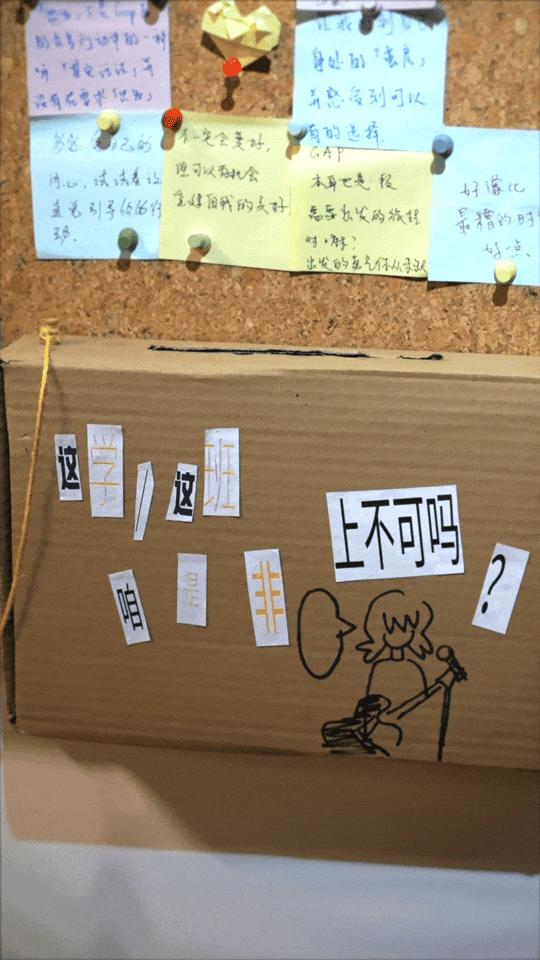
清华毕业后,她陪伴了150名休学孩子
3 6 Ke· 2025-07-14 01:47
Core Viewpoint - The rise of "school refusal" among children in Beijing has sparked significant discussion, with increasing numbers of students opting for a break from traditional education due to various pressures and mental health issues [1][21][25]. Group 1: Background and Context - The "refusal to attend school clinic" at Beijing Children's Hospital has seen overwhelming demand since its inception, highlighting a growing societal issue regarding school refusal and mental health among youth [1]. - 任竹晞, the founder of "一出学社," has supported 150 students aged 13-20 who have chosen to take a break from school over the past six years, helping them find new paths in life [5][21]. Group 2: Educational Approach - "一出学社" operates in a non-traditional learning environment, allowing students to explore their interests without strict schedules, emphasizing self-directed learning and critical thinking [6][7]. - The teaching staff comprises individuals from diverse backgrounds, many of whom have experienced their own educational breaks, fostering a relatable and understanding atmosphere for students [7][9]. Group 3: Student Experiences and Challenges - Many students express feelings of anxiety and pressure related to academic performance, leading to a significant number of them experiencing mental health issues such as depression and anxiety [21][23][25]. - The average age for first-time school refusal is reported to be under 14, with over half of surveyed families indicating that their children have experienced school refusal [21][25]. Group 4: Parental Perspectives - Parents, particularly mothers, often feel anxious about their children's school refusal, seeking clarity and reassurance about their children's future educational paths [32][36]. - The emotional well-being of children is closely tied to parental attitudes, with many parents struggling to understand the implications of their children's decisions to take a break from school [32][36]. Group 5: Societal Implications - The phenomenon of school refusal reflects broader societal issues regarding educational pressures and the mental health of youth, suggesting a need for systemic changes in how education is approached [42]. - The narratives shared by students at the "school refusal" exhibition illustrate the importance of recognizing and validating their experiences, which can also resonate with adult challenges in the workforce [42].