定制公交

Search documents
仙林大学城—南京南站 南京新增定制公交上线运营
Jiang Nan Shi Bao· 2025-12-15 23:47
Core Insights - The launch of customized bus lines H46 and H47 aims to provide efficient transportation between Xianlin University Town and Nanjing South Station, addressing the commuting needs of students and residents [1][2] Group 1: Service Features - The H46 line runs from Xianlin Jiuxianghe East Road to Nanjing South Station, while the H47 line serves the return trip, utilizing a "big station express" model to enhance efficiency [1] - The total length of the route is approximately 34 kilometers, with an expected one-way travel time of no more than 80 minutes, significantly improving efficiency compared to traditional "bus + subway" options [1] - The service is designed to cater to peak travel times, particularly weekends and holidays, with four scheduled departures from Friday to Sunday during the trial period [2] Group 2: Pricing and Accessibility - The original fare for the H46/H47 lines is 8 yuan, but during the trial operation from December 12, 2025, to March 15, 2026, the fare is reduced to 6 yuan, offering a cost-effective travel option [2] - Ticket purchasing is made easy through the "Youdian Travel" app, allowing users to book their rides with no prior reservation required, as tickets can also be purchased on board via a QR code [2] Group 3: Operational Context - The service covers key areas including the dormitory zones of ten universities and nearby residential communities, maximizing service coverage [2] - As of now, Nanjing Bus has launched 100 customized bus lines, catering to various commuting needs and receiving positive feedback from the public [3]
武汉新增“观光专线“微公交,直通右岸大道开启桥
Chang Jiang Ri Bao· 2025-11-28 07:07
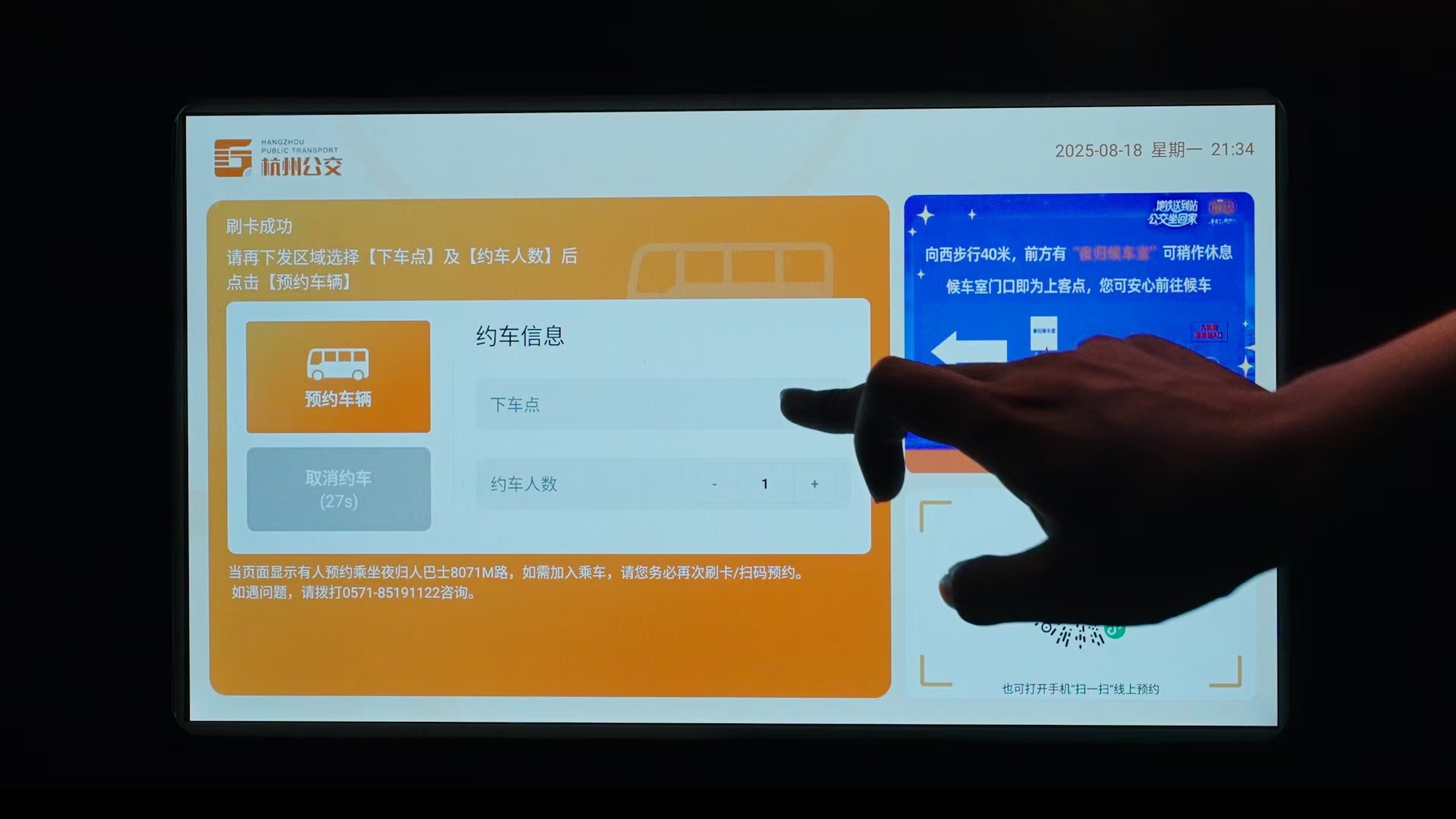
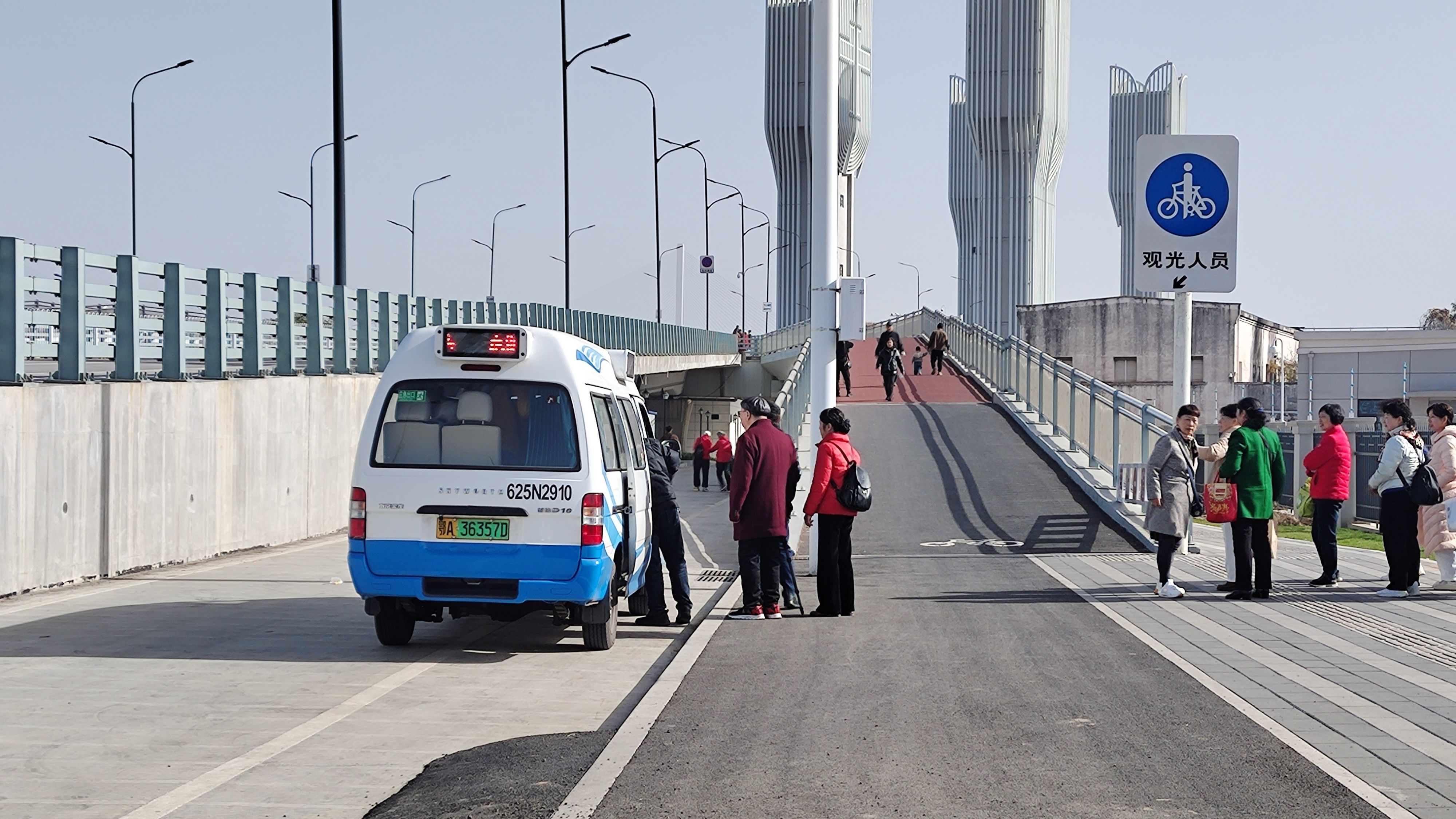
Core Insights - The introduction of the micro bus route 17 has significantly improved public transportation access to the newly constructed Qianqi Bridge, addressing the "last mile" travel challenge for residents [3][4] - Since its launch on September 12, the micro bus has covered 24,400 kilometers and transported over 6,000 passengers, indicating strong demand and usage [3] - The service has been optimized to accommodate both daily commuting and weekend leisure travel, with increased vehicle availability and capacity [3][4] Group 1 - The micro bus route 17 is a "mini" customized bus with a length of only 5 meters and a capacity of 11 passengers, affectionately referred to as the "baby bus" by users [3] - The initial route ran 6.8 kilometers from Qingshan Shipyard to Heping Avenue, with adjustments made to extend the route to 7.8 kilometers after the opening of Qianqi Bridge [3][4] - The average number of vehicles has increased from 3 to 6 during peak times, and the average passenger load has risen from 30-60 to 300-600 passengers per day [3][4] Group 2 - The service supports online ticket purchasing through the Wuhan Bus APP, with a single journey ticket priced at 3 yuan, enhancing the convenience for passengers [4] - The company plans to continuously monitor passenger flow and optimize service operations to meet the evolving needs of the community [4]

破解运营困局 丽江公交做对了什么?
Zhong Guo Qi Che Bao Wang· 2025-11-16 00:20
Core Viewpoint - Lijiang's public transportation system is evolving to meet the increasing demand from tourists, with a focus on enhancing convenience and sustainability through specialized bus lines and the introduction of green energy vehicles [3][5][8]. Group 1: Public Transportation Development - Lijiang has launched multiple tourist bus lines to connect major attractions, ensuring transportation availability even during late hours [3][5]. - The public transportation network has expanded from one initial line to eleven, covering key tourist sites and improving service efficiency [5]. - The proportion of tourists using public transport has reached 14% of total passenger volume, with tourism lines generating 75% of total revenue [5]. Group 2: Green Initiatives - Lijiang's public transport has achieved a 93.47% share of new energy vehicles in its fleet, with a complete transition to new energy buses in urban areas [8]. - The city has initiated a "hydrogen + transportation" application scenario, deploying five hydrogen fuel cell buses on a scenic route, successfully transporting over 200,000 passengers [8][12]. - The Lijiang Snow Mountain sightseeing train, a 20.7 km route connecting major tourist spots, exemplifies the integration of green transport and tourism [10][12]. Group 3: Community and Social Impact - Customized school bus services have been introduced to assist children's transportation needs, significantly improving logistics for local welfare institutions [7]. - The company aims to balance its public service role with market sustainability, recognizing the need for intelligent transformation in operations [13].

夜间出行新选择 “夜归人巴士”打通深夜归家的“最后一公里”
Yang Guang Wang· 2025-08-31 05:48
Core Viewpoint - The introduction of the "Night Return Bus" in Hangzhou aims to address the transportation needs of residents during late-night hours, providing a flexible and demand-responsive service to enhance public transport accessibility [1][10]. Group 1: Service Overview - The "Night Return Bus" operates from 9 PM to 11:30 PM, focusing on the core residential areas of the Pude region in Hangzhou, which includes 9 large residential complexes with approximately 8,700 households [4][10]. - Passengers can book the bus via a WeChat mini-program, allowing for real-time adjustments to the route based on demand, thus optimizing service efficiency [7][9]. - The service has shown a significant increase in ridership, with 370 passengers served in the first 9 days, representing over a 30% increase compared to fixed-route services [10]. Group 2: Operational Efficiency - The "Night Return Bus" eliminates unnecessary travel by allowing passengers to specify their drop-off points, thus reducing operational costs and improving service targeting [2][9]. - The system ensures that the maximum waiting time for passengers does not exceed 15 minutes, enhancing the convenience of the service [6][10]. - The initiative reflects a broader trend in urban public transport, where cities are increasingly adopting customized bus services to meet specific commuter needs, particularly during off-peak hours [12][13].