宠物食养

Search documents
当毛孩子开始老去:3000万老年宠物的照护困境与市场蓝海
3 6 Ke· 2025-12-01 09:24
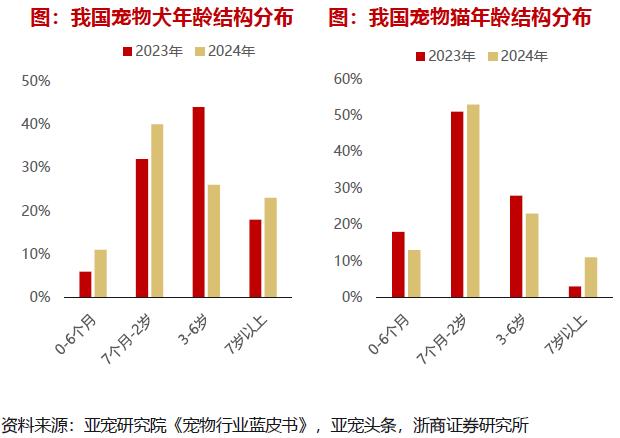
Core Insights - The Chinese pet industry is experiencing a significant shift as pet ownership evolves from functional roles to viewing pets as family members, leading to an increase in pet numbers, particularly cats, which have surpassed dogs in urban households by 2022 [1][2][4] - The aging pet population presents new challenges, with a projected 30 million pets entering their senior years by 2025, indicating a growing market for products and services tailored to older pets [4][10][12] Group 1: Aging Pet Demographics - Pets are considered "senior" after the age of 7, with less than 30% of dogs and 20% of cats in China being over this age as of 2024, indicating a relatively young pet population compared to mature markets [2][4] - By 2025, approximately 30 million pets will be in their senior years, suggesting that one in four pet-owning households will need to address aging-related issues [4][10] - The average lifespan and aging characteristics differ between dog and cat breeds, necessitating tailored care and products for each species [6][8] Group 2: Market Demand and Supply Gap - The current market for senior pet products is underdeveloped, with only 3.2% of the total pet food market in China dedicated to senior pet food, highlighting a significant gap compared to mature markets [13][18] - Pet owners often lack awareness of the specific nutritional needs of aging pets, leading to a reliance on general pet food that may not meet their health requirements [13][18] - There is a notable shortage of specialized products for health monitoring and assistance for aging pets, such as dynamic blood glucose monitors and appropriate care equipment [17][18] Group 3: Consumer Behavior and Spending Trends - Pet owners are increasingly willing to invest in specialized products for their aging pets, with around 70% of senior pet owners purchasing dedicated senior pet food or prescription diets [10][12] - The demand for professional veterinary services for aging pets is rising, with 70% of pet hospitals reporting an increase in senior dog visits [18][20] - The financial burden of caring for aging pets is significant, with high medical costs and a lack of insurance options for pets over 10 years old, prompting a shift towards preventive care [23][25] Group 4: Opportunities for Innovation - The unmet needs of aging pets present opportunities for innovation in product development, focusing on tailored nutrition and health management solutions [25][40] - Brands are beginning to explore advanced product offerings, such as specialized diets for different aging stages and incorporating traditional herbal ingredients into pet care [29][36] - The market for smart care devices is emerging, with potential for technology to assist in monitoring and managing the health of aging pets [39][40]