
家庭储蓄

Search documents
90后男子打扫卫生时发现约200张千元存单,大概20万元:妻子每天到隔壁银行存1000,她不想让知道我就不问
Xin Lang Cai Jing· 2026-01-25 16:12
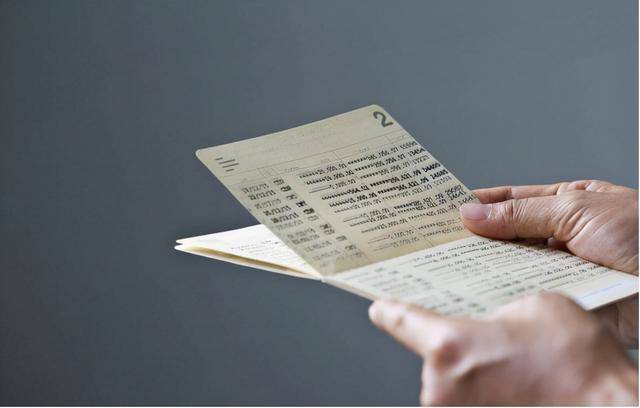
当事人苏先生称,自己和妻子都是90后个体户,收入按天结算。从去年8月起,妻子每天借上厕所之 便,到隔壁银行存入1000元,以防钱在手中花掉。 转自:扬子晚报 近日,江苏宿迁一男子大扫除时,意外发现妻子两本记事本里整整齐齐夹着约200张千元存单,总金额 约20万元。 来源 | 钱江晚报、先锋视频 面对这笔"意外之财",苏先生笑说尊重妻子的心意:"她不想让我知道,那我就不问,咱有这觉悟。" ...


全国大概5亿户家庭,存款达到50万的有多少?储户:确实没想到
Sou Hu Cai Jing· 2025-11-18 03:39
Core Insights - The unprecedented increase in household savings in China is driven by economic downturns and recurring pandemic pressures, with total household deposits reaching 113.69 trillion yuan by mid-2022, an increase of approximately 1 trillion yuan compared to the end of 2021 [1] - A significant 99.63% of depositors have savings below 500,000 yuan, indicating that only 0.37% of households possess savings exceeding this threshold, which translates to about 5.18 million households in a population of 1.4 billion [3] - The low number of households with over 500,000 yuan in savings is attributed to various factors, including diversified asset allocation, rising household debt levels, changing consumption attitudes among younger generations, and the disparity between slow income growth and rising living costs [5][7] Summary by Sections - **Household Savings Trends** - Household savings have surged due to economic uncertainties and health risks, with total deposits reaching 113.69 trillion yuan by mid-2022, marking a significant increase [1] - **Distribution of Savings** - A staggering 99.63% of depositors have less than 500,000 yuan, revealing that only 5.18 million households have savings above this level, highlighting the rarity of affluent households in terms of savings [3] - **Factors Affecting Savings** - Many families opt for investments in stocks, funds, and other financial products rather than keeping large sums in bank deposits, contributing to the low percentage of households with significant savings [5] - Rising household debt, particularly from mortgages and car loans, limits disposable income and savings capacity, while younger generations increasingly favor consumption over saving [7] - The average household savings level is relatively low, with an average of 80,500 yuan per person, and achieving 500,000 yuan in savings is a considerable challenge for most families [8]
机构:日本家庭支出疲软 日央行或推迟加息时间
news flash· 2025-06-06 03:02
Group 1 - The core viewpoint is that Japan's household spending is weak, leading to a potential delay in interest rate hikes by the Bank of Japan [1] - Household spending in April decreased by 0.1% compared to the same month last year, while inflation-adjusted wages fell by 1.8% [1] - Analysts suggest that even if wages continue to rise, households may take time to rebuild their savings due to the current economic conditions [1] Group 2 - The Bank of Japan is closely monitoring service prices, which are currently low, influencing their decision on interest rate adjustments [1] - There is a possibility that the Bank of Japan may postpone interest rate hikes for a year or longer due to the weak spending and savings trends [1]