家庭照护支持体系

Search documents
春节老人照护断档,多地推“喘息服务”
Di Yi Cai Jing· 2026-02-17 04:33
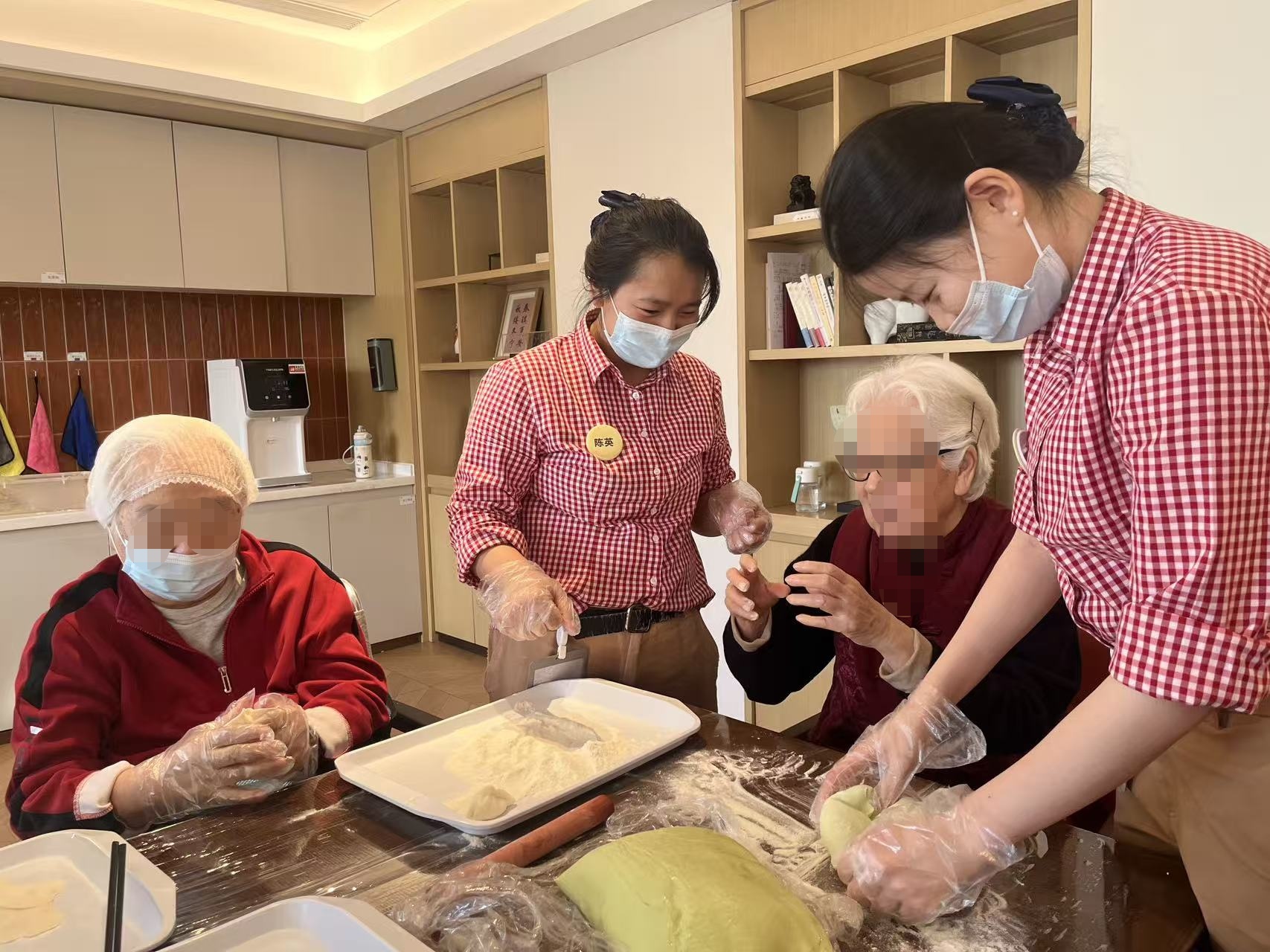
Core Viewpoint - The article highlights the increasing demand for respite care services during the Chinese New Year, as many families face challenges in caring for elderly relatives when regular caregivers are unavailable [2][3]. Group 1: Respite Care Services - Respite care is defined as a public service that allows family members who provide long-term care to take a break and alleviate caregiving pressure [3]. - Various community and elder care institutions are offering short-term care services during the Spring Festival, enabling families to temporarily relieve their caregiving responsibilities [3][6]. - The "respite service" has been successfully implemented in facilities like Tai Kang Zhi Jia, where activities are organized to engage elderly residents and provide a festive atmosphere [6][8]. Group 2: Target Demographics - The primary users of respite services include elderly individuals without caregivers during the holidays, caregivers needing a break, and patients requiring professional care post-surgery [7][8]. - Research indicates that respite care improves the quality of life for both disabled elderly individuals and their caregivers, benefiting families and society as a whole [8][10]. Group 3: Industry Challenges - Elder care institutions face staffing shortages during the holiday season, making it challenging to maintain service quality while accommodating increased demand [9]. - The average age of caregivers in facilities like Tai Kang Zhi Jia is only 28, and incentives such as triple wages and holiday gifts are offered to encourage staff to work during the New Year [9]. Group 4: Policy and Future Outlook - The aging population in China is expected to increase significantly, leading to a higher demand for elder care services, including respite care [11]. - The government is focusing on developing a family support policy framework that includes respite services as part of the broader elder care strategy [12]. - Several regions are incorporating short-term care into subsidy programs to alleviate the financial burden on families [12].

春节老人照护断档,多地推“喘息服务”,还纳入消费补贴|新春走基层
Di Yi Cai Jing· 2026-02-17 02:14
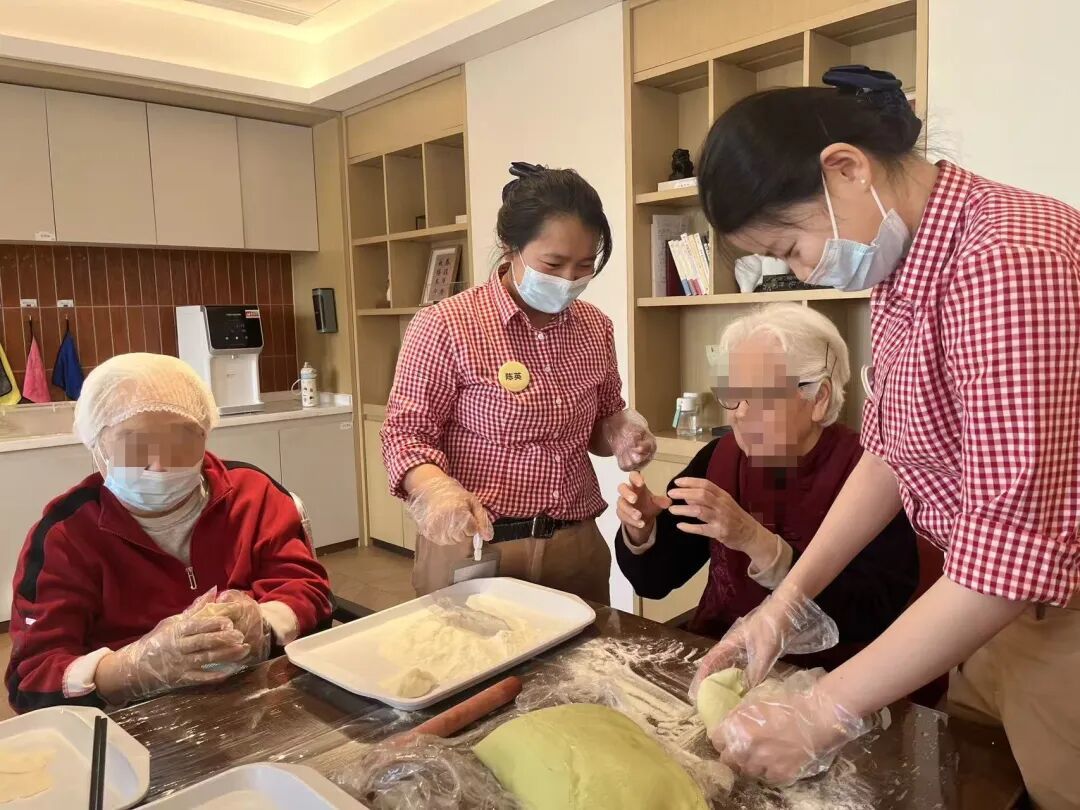
Core Insights - The concept of "respite care" is emerging as a new demand in elderly care services, particularly during the Chinese New Year when traditional caregiving arrangements are disrupted [2][9] - Respite care allows family caregivers to take a break, alleviating the pressure of continuous caregiving, which is increasingly necessary as the aging population grows [9][10] Group 1: Respite Care Services - Respite care is defined as a public service that provides effective rest for family members who have been long-term caregivers, allowing them to recharge [2][6] - During the Spring Festival, various community and elderly care institutions are offering short-term care services, enabling families to temporarily relieve their caregiving responsibilities [2][5] - The "respite service" at institutions like Tai Kang Home has seen an increase in occupancy during the Spring Festival, with 9 out of 24 new residents in January being respite clients [5] Group 2: Impact on Caregivers and Recipients - Research indicates that both disabled elderly individuals and their caregivers experience improved quality of life after receiving respite care, which has positive effects on families and society [6] - The average caregiver provides care for about 4 years, with 24% caring for over 5 years, highlighting the long-term commitment and stress faced by caregivers [9][10] - A case study illustrates how respite care has allowed a caregiver to recover physically and mentally, demonstrating the service's effectiveness in restoring well-being [10] Group 3: Institutional Challenges and Responses - Institutions providing respite care face challenges such as staff shortages during peak times like the Spring Festival, yet they maintain high service standards for both short-term and long-term residents [7][8] - Incentives such as triple wages and holiday gifts are offered to staff who choose to work during the holiday season, ensuring quality care is maintained [7] - The government is encouraging the establishment of a support system for family caregivers, including respite services, as part of the broader strategy to address the needs of an aging population [9][10]