养老机构服务

Search documents
春节老人照护断档,多地推“喘息服务”
Di Yi Cai Jing· 2026-02-17 04:33
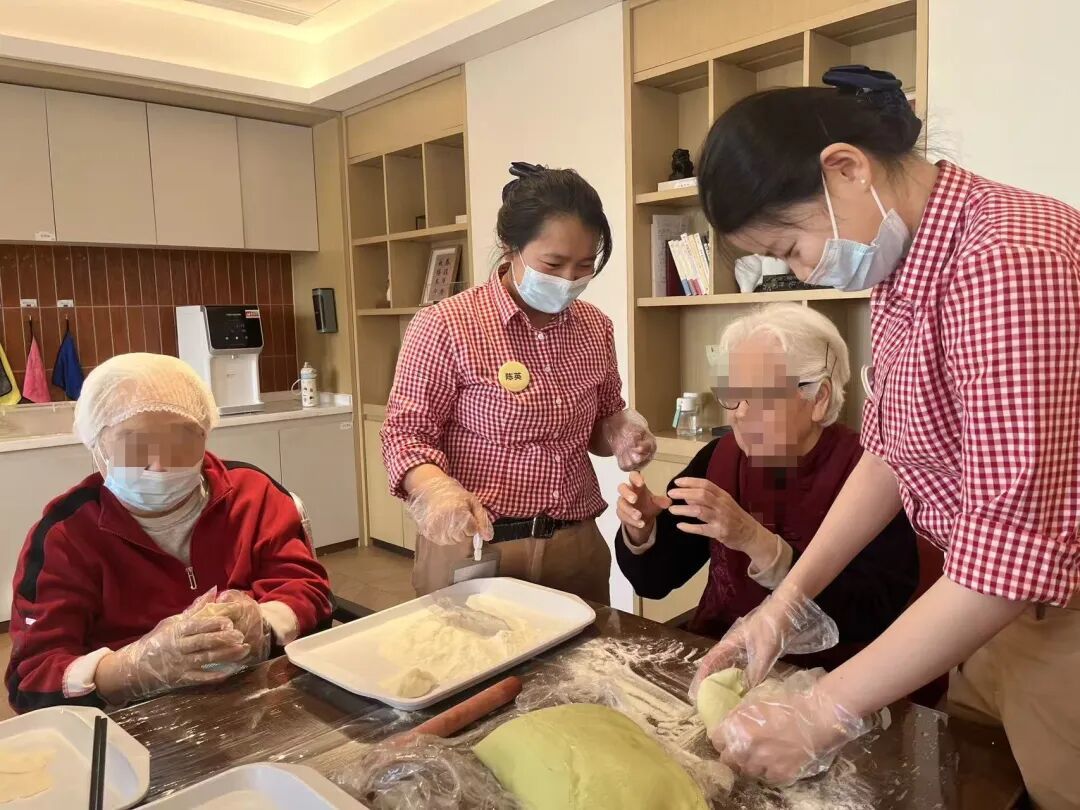
Core Viewpoint - The article highlights the increasing demand for respite care services during the Chinese New Year, as many families face challenges in caring for elderly relatives when regular caregivers are unavailable [2][3]. Group 1: Respite Care Services - Respite care is defined as a public service that allows family members who provide long-term care to take a break and alleviate caregiving pressure [3]. - Various community and elder care institutions are offering short-term care services during the Spring Festival, enabling families to temporarily relieve their caregiving responsibilities [3][6]. - The "respite service" has been successfully implemented in facilities like Tai Kang Zhi Jia, where activities are organized to engage elderly residents and provide a festive atmosphere [6][8]. Group 2: Target Demographics - The primary users of respite services include elderly individuals without caregivers during the holidays, caregivers needing a break, and patients requiring professional care post-surgery [7][8]. - Research indicates that respite care improves the quality of life for both disabled elderly individuals and their caregivers, benefiting families and society as a whole [8][10]. Group 3: Industry Challenges - Elder care institutions face staffing shortages during the holiday season, making it challenging to maintain service quality while accommodating increased demand [9]. - The average age of caregivers in facilities like Tai Kang Zhi Jia is only 28, and incentives such as triple wages and holiday gifts are offered to encourage staff to work during the New Year [9]. Group 4: Policy and Future Outlook - The aging population in China is expected to increase significantly, leading to a higher demand for elder care services, including respite care [11]. - The government is focusing on developing a family support policy framework that includes respite services as part of the broader elder care strategy [12]. - Several regions are incorporating short-term care into subsidy programs to alleviate the financial burden on families [12].

养老机构从业者不得向老人推销保健品
Xin Lang Cai Jing· 2026-01-19 22:18
Core Viewpoint - The Ministry of Civil Affairs has issued the "Code of Ethics for Staff in Elderly Care Institutions" to standardize the ethical behavior of personnel in elderly care services, emphasizing the need for respectful and equitable treatment of elderly individuals [1][2] Summary by Sections Ethical Standards - The Code consists of eight articles applicable to staff providing various services such as daily care, medical care, rehabilitation, social work, and administrative management in elderly care institutions [1] - Staff are required to adhere to laws, prioritize human-centered care, and promote traditional virtues of respecting and caring for the elderly [1] Treatment of Elderly Individuals - Personnel must respect the privacy of elderly individuals and treat them equally, without discrimination based on social status or financial situation [1] - The safety of elderly individuals is paramount, and staff must comply with quality and safety standards in elderly care services [1] Communication and Transparency - Staff must ensure the right to information for elderly individuals, clearly communicating the purpose, precautions, and potential risks of services in an understandable manner [1] - It is essential to document service interactions and promptly communicate any physical or psychological issues observed in elderly individuals to them or their representatives [1] Integrity and Professional Conduct - The Code mandates that staff maintain integrity, resist unethical practices, and foster a positive industry atmosphere [2] - Personnel are prohibited from soliciting or accepting gifts from elderly individuals or their representatives and must not exploit their position for personal gain [2]
涉及养老机构服务、儿童用品安全性等
Xin Lang Cai Jing· 2026-01-18 22:34
Emerging Fields - The release of 4 national standards for industrial internet platforms supports the scalable development and application of industrial internet platforms [1] - 4 national standards for digital supply chains are aimed at enhancing the resilience of industrial chains through digitalization [1] - 5 national standards for smart factory safety integration promote high-quality and sustainable development in manufacturing through data-driven management [1] - National standards for the classification and comprehensive utilization of recyclable rare earth secondary resources support the recycling of rare earth resources [1] Transportation and Green Low-Carbon - 23 national standards related to railway freight transport, intelligent transport, and aviation services facilitate efficient development in transportation [1] - 7 national standards for explosion-proof industrial vehicles and off-road forklifts promote the standardized development of the industrial vehicle sector [1] - 3 logistics national standards for multimodal transport service quality assessment and the integration of logistics and manufacturing industries guide the integration of transport modes [1] - 17 national standards for carbon capture, green factory evaluation, and greenhouse gas emission accounting assist in achieving carbon neutrality goals [1] Safety Production - 13 mandatory national standards for production safety accident investigation and economic loss statistics enhance safety emergency capabilities in hazardous chemical enterprises [2] - 4 mandatory national standards in the fire safety sector improve the fire performance and quality of building insulation materials and rescue equipment [2] - 28 national standards related to feed, pesticides, plant quarantine, and animal husbandry provide a technical foundation for agricultural production safety [2] Daily Life - 6 national standards for children's products, including portable baby sleep baskets and VOC emission measurement, aim to enhance product quality and safety [2] - 3 national standards for elderly care institutions standardize care practices and improve the quality of life services [2] - 5 national standards for traditional Chinese medicine better protect public health through classification and assessment [2] - 5 national standards for musical instruments, including pianos and electric instruments, cater to the cultural and spiritual needs of the public [2] - 2 mandatory national standards for sports venues, including climbing and fencing, ensure safety in fitness activities [2] Additional Standards - The market regulatory authority has also released national standards in areas such as government services, wind power generation systems, water conservation, and agricultural products [2]
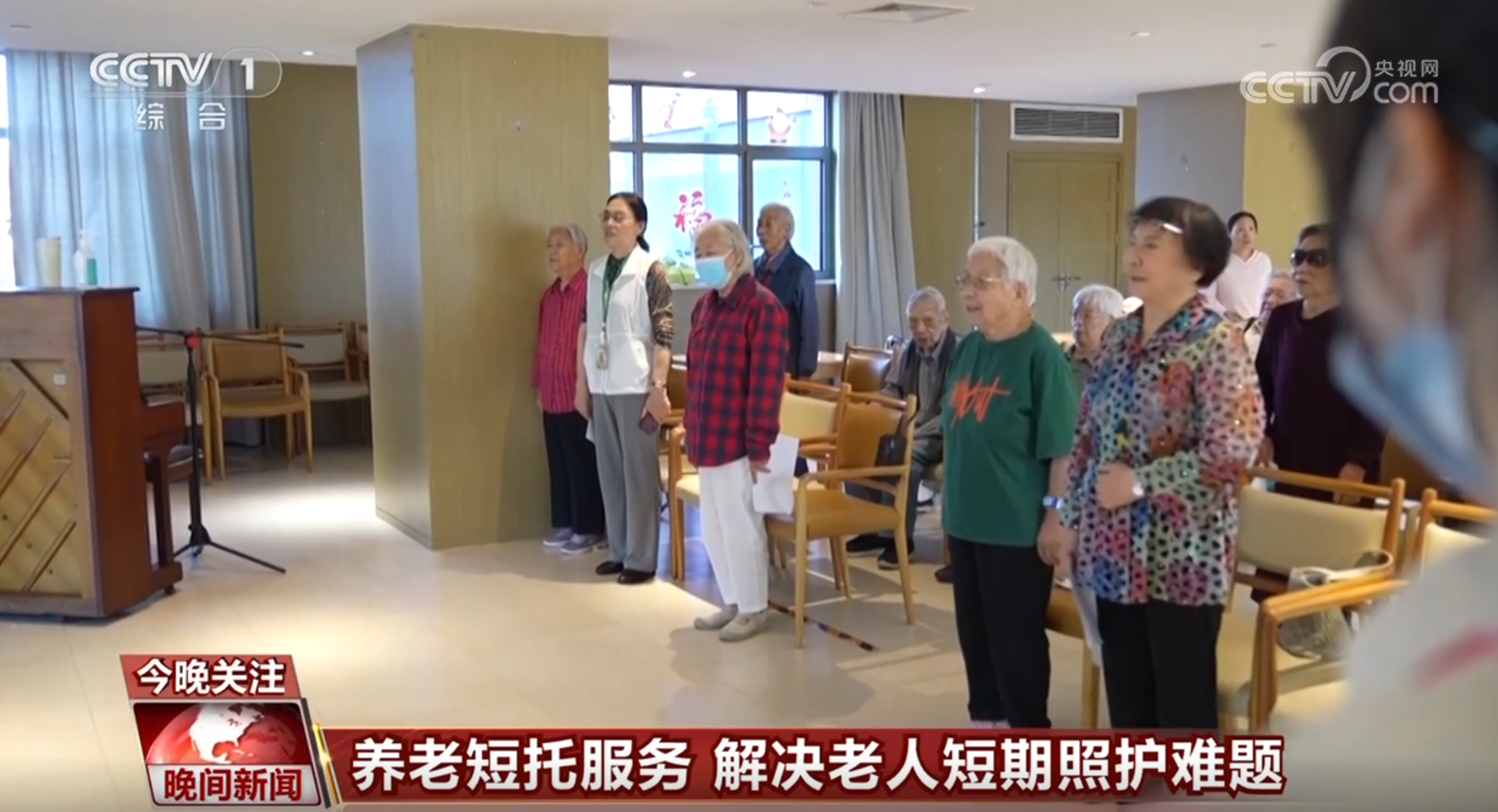
养老短托服务 解决老人短期照护难题
Yang Shi Wang· 2025-09-21 17:07
Core Viewpoint - The increasing demand for short-term care services in elderly care institutions addresses the needs of seniors living at home, particularly when their children are unavailable due to work or health issues [1][5]. Group 1: Short-term Care Services - Many elderly care institutions have recently introduced short-term care services to meet the temporary care needs of seniors [5][6]. - These services allow seniors to choose flexible stay durations and receive the same level of care as long-term residents [5][6]. - A specific institution in Beijing offers over 400 beds for short-term stays, catering to the needs of local seniors [3]. Group 2: Family Involvement - Some institutions facilitate family members to accompany seniors during their short-term stays, enhancing the support system for elderly individuals [5]. - For example, a senior from Jiangsu, who required post-stroke rehabilitation, applied for short-term care along with his spouse [5]. Group 3: Day Care Centers - Day care centers provide a more flexible option for short-term care, allowing seniors who can manage independently to seek temporary care for a day or two [6]. - Compared to larger elderly care institutions, day care centers offer easier access for family visits and are generally more affordable [7]. - The daily cost for short-term care at a specific day care center in Beijing is approximately 150-180 yuan [7].