喘息服务

Search documents
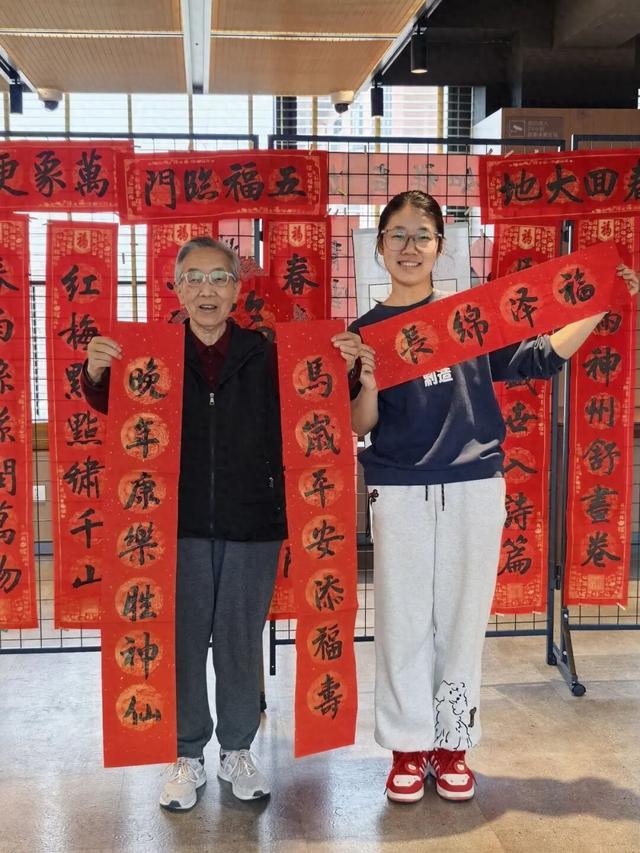
“我把自己当成老人们的儿女”
Xin Lang Cai Jing· 2026-02-19 23:03
Core Viewpoint - The article highlights the efforts of the Fengtai District's Wanping Street Elderly Service Center in providing quality care and innovative services for the elderly, particularly during the Spring Festival, through initiatives like the "respite service" and integration of traditional Chinese medicine into elderly care [2][5]. Group 1: Elderly Care Services - The Wanping Street Elderly Service Center, operational since the end of last year, has over 50 beds and currently accommodates more than 20 elderly residents, including three receiving "respite service" during the Spring Festival [2]. - The "respite service" offers temporary care for elderly individuals, ensuring their daily routines, medication, and personal habits are respected and maintained [3]. Group 2: Caregiver Experience - Caregiver Ma Yuling, who transitioned from hotel service to elderly care, emphasizes the importance of emotional connection and personalized service, treating elderly residents as family [4]. - The center incorporates physical activities like practicing "Ba Duan Jin" (Eight Pieces of Brocade) to promote health and engagement among residents [4]. Group 3: Community and Policy Initiatives - With 22.6% of the local population being elderly, Wanping Street is exploring a collaborative model of community elderly care that integrates government and enterprise efforts, focusing on comprehensive service networks [5]. - Future plans include enhancing facilities for elderly care, expanding the team of traditional Chinese medicine health advisors, and introducing diverse activities to foster intergenerational connections [5].


期待“喘息服务”成为老龄化社会标配
Nan Fang Du Shi Bao· 2026-02-19 15:44
Core Viewpoint - The introduction of "respite services" during the Spring Festival provides temporary relief for caregivers, allowing them to take a break from their continuous responsibilities [1][2]. Group 1: Current Situation and Demand - The demand for respite services has surged during the Spring Festival as traditional caregivers, such as live-in nannies and hourly workers, take time off for the holiday [1]. - The aging population in China is increasing, with the Ministry of Civil Affairs reporting an annual net increase of nearly 14 million elderly individuals during the 14th Five-Year Plan, leading to a growing need for caregivers [1]. Group 2: Government and Institutional Support - Respite services are transitioning from informal community initiatives to institutional support, with regions like Zhejiang, Yunnan, and Inner Mongolia incorporating short-term care into subsidy programs [2]. - The government is actively providing necessary support to family caregivers, indicating a shift towards recognizing caregiving as a societal responsibility rather than solely a family matter [2]. Group 3: Benefits and Challenges - Research indicates that respite services improve the quality of life for both disabled elderly individuals and their caregivers, highlighting the importance of maintaining caregiver health for family stability [2]. - Despite the benefits, the promotion of respite services faces challenges, such as staffing shortages in care facilities and the affordability of services for low-income families [2][3]. Group 4: Future Directions - To make respite services universally accessible, collaboration among government, market, and society is essential, including improving subsidy mechanisms and respecting the value of caregiving labor [3]. - A cultural shift is needed to change outdated perceptions of elder care, promoting the idea that professional care should be entrusted to trained individuals [3].
新春走基层|老人的临时儿女,送上春节里的暖心“喘息服务”
Xin Lang Cai Jing· 2026-02-18 05:56
Core Viewpoint - The Fengtai District Wanping Street Elderly Care Center has launched a "respite service" during the Spring Festival, providing short-term care for elderly individuals whose caregivers are unavailable, ensuring they receive proper care and attention [2][4][10]. Group 1: Service Overview - The "respite service" offers a minimum of 7 days of care for elderly individuals, accommodating those whose caregivers are away for the holiday [4][6]. - The center, which began operations at the end of last year, has over 50 beds and currently houses more than 20 elderly residents, including three utilizing the respite service during the Spring Festival [6]. Group 2: Caregiver Insights - Caregiver Ma Yuling emphasizes the importance of maintaining a clean and organized environment for the elderly, contributing to their comfort and well-being [4][8]. - Ma, who transitioned from hotel service to elderly care, finds fulfillment in providing personalized attention and emotional support to the elderly, viewing them as family [6][8]. Group 3: Activities and Facilities - The center incorporates traditional Chinese practices into its care, offering activities like "Eight Pieces of Brocade" exercises and integrating cultural elements into daily routines [8]. - Advanced technology, such as an intelligent monitoring system and a smart call platform, enhances the quality of care, while a focus on medical and health integration is evident through various programs [8][10]. Group 4: Future Developments - The Wanping Street Elderly Care Center aims to deepen collaboration between government and enterprises, enhancing facilities and expanding service offerings, including traditional Chinese health guidance and diverse therapeutic activities [10].
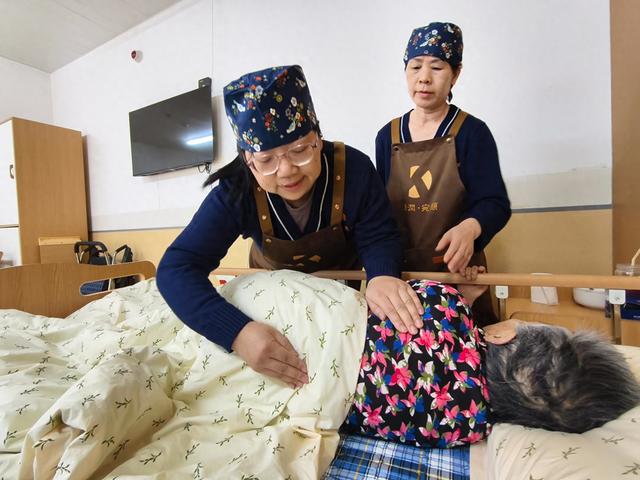
“我把自己当成老人的女儿”
Xin Lang Cai Jing· 2026-02-18 05:55
Core Insights - The article highlights the daily operations and services provided by the Fengtai District Wanping Street Elderly Service Center, emphasizing the importance of compassionate care for the elderly [2][3][4] Group 1: Elderly Care Services - The Wanping Street Elderly Service Center, operational since the end of last year, has over 50 beds and currently accommodates more than 20 elderly residents, including three who are utilizing the "respite service" during the Spring Festival [2] - The center has initiated a "respite service" to provide temporary care for elderly individuals whose regular caregivers are unavailable, offering a minimum of 7 days of care [2][3] Group 2: Caregiver Experience - Caregiver Ma Yuling, who transitioned from hotel service to elderly care two years ago, emphasizes the emotional fulfillment derived from providing personalized care to the elderly, viewing them as family [3] - The caregivers are trained to understand the individual needs of the elderly, including their daily habits and medication schedules, ensuring a smooth transition and quality care [3] Group 3: Activities and Health Integration - The center incorporates traditional Chinese practices, such as "Eight Pieces of Brocade" exercises, into daily activities, promoting both physical and mental well-being among residents [4] - The facility features a combination of smart monitoring systems and traditional health practices, creating a holistic approach to elderly care that integrates health promotion, daily living assistance, and emotional support [4]
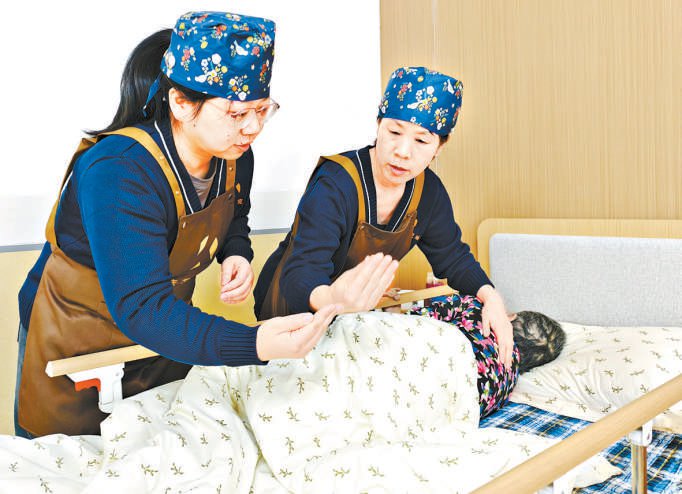
春节老人照护断档,多地推“喘息服务”
Di Yi Cai Jing· 2026-02-17 04:33
Core Viewpoint - The article highlights the increasing demand for respite care services during the Chinese New Year, as many families face challenges in caring for elderly relatives when regular caregivers are unavailable [2][3]. Group 1: Respite Care Services - Respite care is defined as a public service that allows family members who provide long-term care to take a break and alleviate caregiving pressure [3]. - Various community and elder care institutions are offering short-term care services during the Spring Festival, enabling families to temporarily relieve their caregiving responsibilities [3][6]. - The "respite service" has been successfully implemented in facilities like Tai Kang Zhi Jia, where activities are organized to engage elderly residents and provide a festive atmosphere [6][8]. Group 2: Target Demographics - The primary users of respite services include elderly individuals without caregivers during the holidays, caregivers needing a break, and patients requiring professional care post-surgery [7][8]. - Research indicates that respite care improves the quality of life for both disabled elderly individuals and their caregivers, benefiting families and society as a whole [8][10]. Group 3: Industry Challenges - Elder care institutions face staffing shortages during the holiday season, making it challenging to maintain service quality while accommodating increased demand [9]. - The average age of caregivers in facilities like Tai Kang Zhi Jia is only 28, and incentives such as triple wages and holiday gifts are offered to encourage staff to work during the New Year [9]. Group 4: Policy and Future Outlook - The aging population in China is expected to increase significantly, leading to a higher demand for elder care services, including respite care [11]. - The government is focusing on developing a family support policy framework that includes respite services as part of the broader elder care strategy [12]. - Several regions are incorporating short-term care into subsidy programs to alleviate the financial burden on families [12].
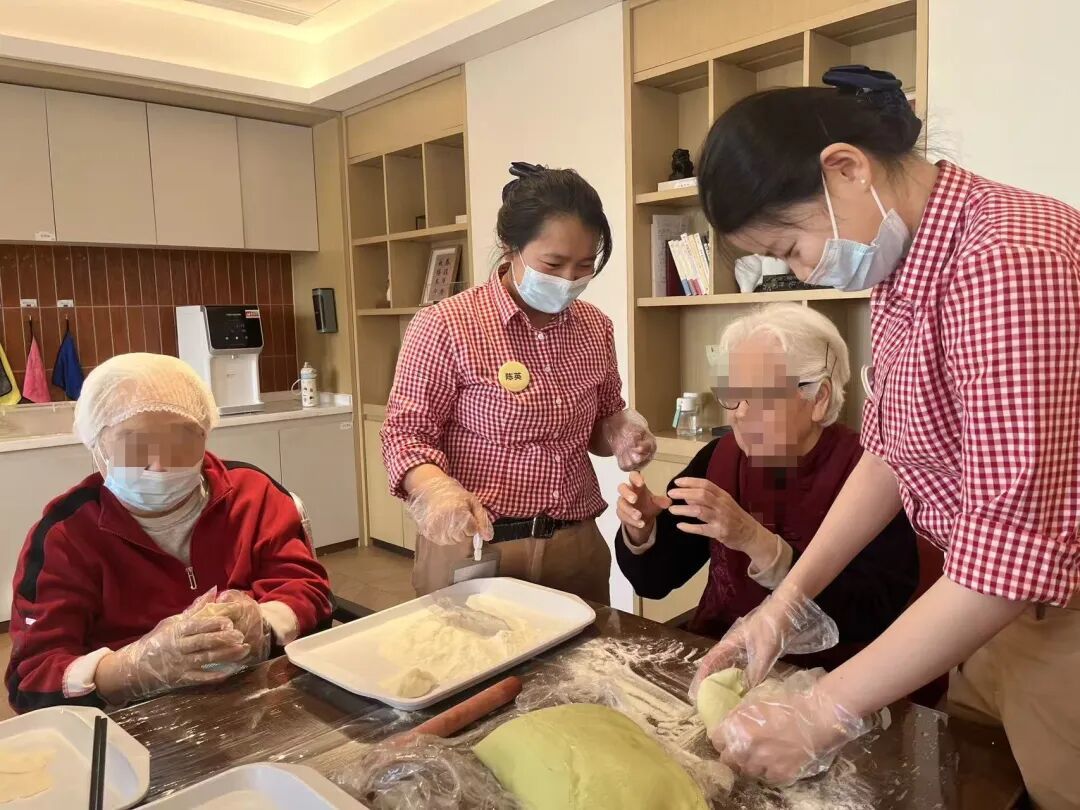
春节老人照护断档,多地推“喘息服务”,还纳入消费补贴|新春走基层
Di Yi Cai Jing· 2026-02-17 02:14
Core Insights - The concept of "respite care" is emerging as a new demand in elderly care services, particularly during the Chinese New Year when traditional caregiving arrangements are disrupted [2][9] - Respite care allows family caregivers to take a break, alleviating the pressure of continuous caregiving, which is increasingly necessary as the aging population grows [9][10] Group 1: Respite Care Services - Respite care is defined as a public service that provides effective rest for family members who have been long-term caregivers, allowing them to recharge [2][6] - During the Spring Festival, various community and elderly care institutions are offering short-term care services, enabling families to temporarily relieve their caregiving responsibilities [2][5] - The "respite service" at institutions like Tai Kang Home has seen an increase in occupancy during the Spring Festival, with 9 out of 24 new residents in January being respite clients [5] Group 2: Impact on Caregivers and Recipients - Research indicates that both disabled elderly individuals and their caregivers experience improved quality of life after receiving respite care, which has positive effects on families and society [6] - The average caregiver provides care for about 4 years, with 24% caring for over 5 years, highlighting the long-term commitment and stress faced by caregivers [9][10] - A case study illustrates how respite care has allowed a caregiver to recover physically and mentally, demonstrating the service's effectiveness in restoring well-being [10] Group 3: Institutional Challenges and Responses - Institutions providing respite care face challenges such as staff shortages during peak times like the Spring Festival, yet they maintain high service standards for both short-term and long-term residents [7][8] - Incentives such as triple wages and holiday gifts are offered to staff who choose to work during the holiday season, ensuring quality care is maintained [7] - The government is encouraging the establishment of a support system for family caregivers, including respite services, as part of the broader strategy to address the needs of an aging population [9][10]
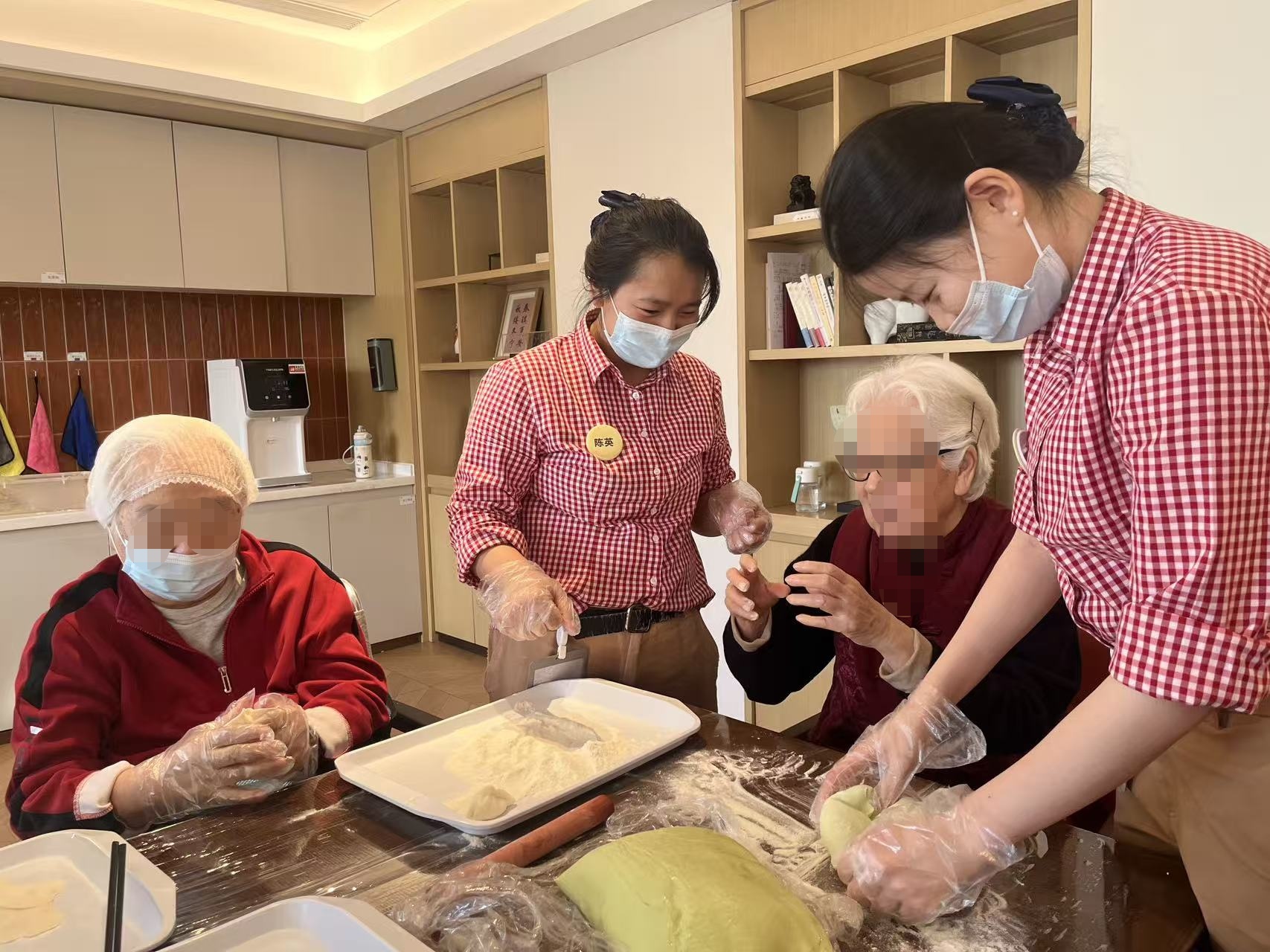
23项举措关爱农村空巢老人
Xin Lang Cai Jing· 2026-02-08 21:39
Core Viewpoint - The recent issuance of the "Notice on Further Improving Care Services for Rural Empty Nest Elderly" by Ziyang City aims to establish a systematic care service framework for rural empty nest elderly, focusing on eight key areas and proposing 23 specific measures [1] Group 1: Elderly Care Services - The notice emphasizes the need for a tiered and dynamic adjustment of the basic elderly care service list, enhancing the construction of care facilities at county, township, and village levels [1] - It highlights the development of specialized services such as elderly meal assistance, capability assessment, age-friendly renovations, and "respite services," while exploring the establishment of a subsidy system for elderly care service consumption [1] Group 2: Health Management - The notice specifies the continuation of free health management services for eligible rural elderly individuals, exploring a "basic package + personalized package" model for family doctor contracts and suitable "family bed" services for rural areas [1] - It also includes the implementation of a "health door-knocking action" and promotes the exploration of long-term care insurance systems to alleviate the caregiving burden on disabled empty nest elderly [1] Group 3: Systematic Approach - The Ziyang Civil Affairs Bureau indicates that the issuance of the notice marks the beginning of a five-year action plan for the care services of rural empty nest elderly, signifying a new phase of institutionalized and systematic advancement in this area [1]
副中心养老观察|春节,他们为什么选择在养老院过年?
Xin Lang Cai Jing· 2026-02-08 14:24
Core Viewpoint - The article highlights the increasing trend of elderly individuals choosing to stay in nursing homes during the Chinese New Year, reflecting a shift in the demand for diverse and professional elder care services [9][10][21]. Group 1: Elderly Care Services - Approximately 80% of elderly residents in nursing homes in Tongzhou District have opted to stay for the New Year, indicating a growing preference for professional care over family care [9][10]. - Nursing homes are organizing various festive activities, such as Spring Festival galas and traditional meals, to create a celebratory atmosphere for the residents [9][10][19]. - The services provided include tailored meal plans that consider the dietary restrictions and health conditions of the elderly, ensuring both nutrition and enjoyment [10][19]. Group 2: Specialized Care Needs - Many elderly individuals, particularly those with disabilities, require 24-hour professional care, which nursing homes are equipped to provide, alleviating concerns for families [9][10]. - The "respite care" service allows families to temporarily place their elderly relatives in professional care during the holiday, addressing the challenges of home care [11][13]. - There is a noted demand for psychological support and companionship for elderly individuals, especially those who are lonely or have lost family members [16][19]. Group 3: Challenges and Improvements - Despite the demand for respite care, there are challenges in its implementation, including high costs and complicated admission processes that deter families from utilizing these services [13][14]. - Feedback from residents indicates a desire for more diverse activities that cater to different interests, such as quiet spaces for reading or art [17][19]. - The article suggests that nursing homes should enhance their service quality and adapt to the varied needs of elderly residents, emphasizing the importance of emotional well-being alongside physical care [21].
失能老人养老补贴服务机构申报启动
Zheng Zhou Ri Bao· 2026-01-23 00:43
Core Viewpoint - Zhengzhou is implementing a key initiative to provide elderly care service consumption subsidies for moderately disabled elderly individuals, in line with the national policy set to take effect in 2026 [1] Group 1: Policy Implementation - The announcement for collecting service institutions for the subsidy program has been released, with application channels open year-round [1] - Three types of professional institutions can apply: elderly care institutions, community elderly service institutions, and third-party professional assessment agencies, each with specific qualification requirements [1] Group 2: Qualification Requirements - Elderly care institutions must have a minimum of 60% nursing beds, at least 10% certified nursing staff relative to the number of service recipients, and no record of dishonesty since 2025 [1] - Community elderly service institutions must possess operational qualifications and provide various support services, with staff required to be certified and registered [1] - Third-party assessment agencies must have at least five evaluators, including two full-time staff with over five years of relevant experience, and must be free from conflicts of interest with service institutions [1] Group 3: Service Provision and Management - Selected institutions will offer comprehensive services for disabled elderly individuals, including a new "respite service" for up to 30 days in institutional settings [2] - All services will be managed through the "Minzheng Tong" system, ensuring real-time tracking of service records and consumption vouchers [2] - Institutions can submit application materials to local civil affairs departments, which will review and include qualified institutions in the service provider directory [2] Group 4: Financial Management - The civil affairs department will complete the verification of consumption vouchers within ten working days of the following month, with financial settlements occurring shortly thereafter [2] - The process includes a review by the finance department, ensuring timely payment to third-party assessment agencies [2]
推动养老服务提质,破解人才难题是基础
Qi Lu Wan Bao· 2026-01-22 09:44
Core Insights - The article discusses the innovative practices and future directions of elderly care services in Jinan, focusing on the implementation of the "Precise Care" policy and the integration of urban and rural resources in elderly care [2] Group 1: Elderly Population and Care Needs - By the end of 2024, Jinan's elderly population aged 60 and above is projected to reach 2.0622 million, accounting for 24.93% of the city's registered population, highlighting the urgency of addressing aging issues [2] - The growing number of elderly individuals with disabilities and cognitive impairments has significantly increased the demand for professional elderly care and medical services, posing challenges for the care system [2] Group 2: Policy and Financial Support - Jinan has established a comprehensive service network for cognitive impairment care, supported by a "1+4" policy framework that includes guidelines and specialized plans for institutional development, community screening, personnel training, and implementation [3] - Financial support includes differentiated subsidies for the construction and renovation of cognitive impairment care beds, with 15,000 yuan and 8,000 yuan allocated respectively, ensuring the sustainability of services [2][3] Group 3: Community and Institutional Collaboration - The city promotes a collaborative development model that integrates institutional care with community-based and home care services, focusing on core needs [4] - Community day care centers are suggested to transform into support stations for family care, providing short-term care, training, and psychological support [4] Group 4: Social Environment and Inclusivity - Creating a safe and friendly social environment for individuals with cognitive impairments is essential, leveraging Jinan's cultural heritage to enhance community support [5] - Collaboration among various departments is necessary to implement age-friendly modifications in public spaces and train community members to become supportive partners [5] Group 5: Talent Development in Elderly Care - Jinan has developed a talent recruitment and retention mechanism, offering one-time entry subsidies of up to 20,000 yuan for qualified elderly care professionals [6] - The city aims to establish a sustainable ecosystem for talent development in elderly care, emphasizing the importance of practical training and long-term commitment from graduates [6] Group 6: Rural Elderly Care Initiatives - Jinan is focusing on rural elderly care by establishing county-level nursing homes and enhancing existing facilities, with a goal of increasing the proportion of nursing beds in rural areas to 80% [7] - Future plans include improving the quality of rural elderly care services and exploring mutual aid models to address challenges in rural areas [7]