家用脱毛仪市场增长

Search documents
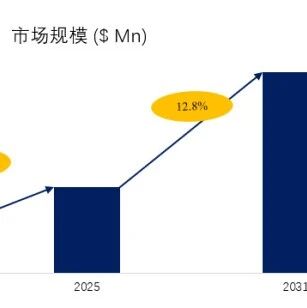
CAGR 12.8% 领跑全球:东南亚家用脱毛仪市场正进入结构性扩张黄金期
QYResearch· 2025-12-08 06:19
Core Viewpoint - The at-home hair removal device market in Southeast Asia is experiencing rapid growth, driven by increasing consumer interest, particularly among young women, and the rise of e-commerce platforms. The market is projected to grow from $188 million in 2024 to $530 million by 2031, with a CAGR of 12.8% [2][5]. Market Growth and Trends - Southeast Asia's at-home hair removal device market is one of the fastest-growing regions globally, with a strong consumer base and increasing acceptance of light medical beauty products [2]. - The market is expected to expand through three main growth paths: smart technology upgrades, localized brand operations, and the emergence of the male market [7]. Consumer Behavior - Young women in Southeast Asia, particularly in Vietnam, Thailand, Malaysia, and Singapore, are increasingly interested in at-home hair removal devices, with over 60% of urban women aged 18-35 expressing a willingness to try these products [5]. - The demand for home self-care is rising due to high salon prices and long wait times, making at-home devices a natural extension of personal care routines [5]. Competitive Landscape - Chinese brands like Ulike, JOVS, and Jmoon are gaining significant market share in Southeast Asia, leveraging their understanding of Asian skin tones and hair characteristics, competitive pricing, and effective content marketing [8]. - International brands such as Philips and Panasonic maintain a stable presence in the high-end market but face challenges in growth and online penetration compared to their Chinese counterparts [8]. Brand Analysis - Philips holds a strong position in the high-end market due to its global medical safety certifications but struggles with growth in the mass market due to higher prices [9]. - Ulike excels in ice point technology and has a leading sales ranking in several countries, but faces challenges in establishing a robust cross-border after-sales service [9]. - JOVS is recognized for its design and multifunctionality, benefiting from content marketing but needs to improve local channel presence and service optimization [10]. Industry Challenges - The industry faces structural challenges related to skin tone adaptation and safety awareness, with a need for better technology to accommodate diverse skin tones and improve user safety perceptions [11]. - Weak after-sales support, particularly for cross-border purchases, affects market trust and brand reputation [11]. Technological Advancements - The hot and humid environment in Southeast Asia makes comfort a key factor in consumer purchasing decisions, with cooling technologies becoming a core selling point [12]. - Devices that offer a "high energy, low pain" experience are expected to become mainstream, pushing the industry towards comfort and intelligence [12]. Conclusion - Southeast Asia is positioned as a high-potential market for at-home hair removal devices, driven by a young population, strong consumer demand, and solid e-commerce foundations. Future growth will depend on technological upgrades, comfort experiences, localized service capabilities, and content ecosystem development [13].

2025家用脱毛仪行业洞察白皮书-飞未&天猫
Sou Hu Cai Jing· 2025-05-23 14:05
Industry Growth Potential and Competitive Landscape - The penetration rate of the home hair removal device market in China is approximately 10%, significantly lower than that of the US (30%+), Japan (22%+), and South Korea (18%+) [1][22] - The market is expected to grow at a compound annual growth rate (CAGR) of 16% from 2019 to 2030, potentially exceeding 29.8 billion yuan by 2030 [1][22] - The competitive landscape is characterized by a "one strong, many strong" pattern, with the leading brand Ulike holding a 70% market share on Tmall, followed by Beautigo and Jmoon [1][25] - Regulatory measures are tightening, with the introduction of the "Group Standard for Home Photon Hair Removal Devices," which specifies parameters such as wavelength (500-1200nm) and energy density (≤10J/cm²) [1][25] Consumer Demand Upgrade and Technological Iteration - Consumer demand is evolving in three main trends: 1. **Precision in Treatment Areas**: Significant demand for hair removal in sensitive areas such as private parts (39%), lips (39%), and facial hair (38%) [2][31] 2. **Diversification of Functions**: 76% of consumers expect "pain-free" experiences, while 63% seek "permanent hair removal." Additional functions like "whitening" and "spot reduction" have seen sales growth of 867% and 192%, respectively [3][36] 3. **Professional Decision-Making**: 85% of consumers focus on hair removal effectiveness, 79% prioritize safety, and 78% consider technical parameters [3][38] - Technological advancements are centered around "precision, intelligence, and comfort," evolving from early laser technology to IPL precision and intelligence (4.0), incorporating features like sapphire cooling and energy grading [3][30] Demographic Characteristics and Market Segmentation - The primary demographic for hair removal devices consists of women (85%) and the 18-29 age group, with increasing penetration in lower-tier markets (over 40% in third-tier cities) [4][24] - Consumers can be categorized into four segments based on price sensitivity and usage duration: 1. **Practical Rationalists (44%)**: Prefer mid-range models, focusing on safety and overall hair removal [4] 2. **Professional Efficiency Seekers (27%)**: Notable male demand (19%), favoring high-tech products for precise area treatment [5] 3. **Long-term Users (21%)**: Primarily affluent women in high-tier cities, seeking convenience and clinic-level results [6] 4. **Self-Experience Seekers (7%)**: Young consumers driven by social and personal needs, favoring low-cost popular models [7] Merchant Strategies and Brand Cases - Brands should focus on technological innovation (e.g., pain-free hair removal, intelligent adjustments), optimizing user experience (precision mode for sensitive areas), expanding functionalities (whitening and skin care), and portable designs [8] - Effective marketing strategies include professional evaluations (76%) and real-user testing (60%), combined with seasonal promotions to reach targeted demographics [8] - Ulike maintains its market leadership through patented technologies and comprehensive marketing strategies, while Beautigo differentiates itself with wet hair removal features and high energy density [8][26]