小冰期

Search documents
大明王朝崩溃的真正原因
第一财经· 2025-12-11 06:36
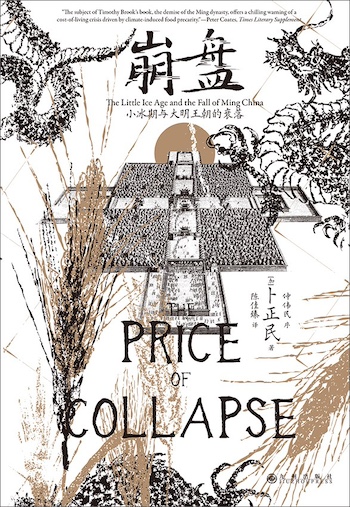
Core Viewpoint - The article discusses the impact of climate change on the decline of the Ming Dynasty, emphasizing that agricultural crises driven by climate fluctuations were pivotal in the dynasty's collapse rather than solely political factors or economic mismanagement [7][8]. Group 1: Climate Change and Agricultural Impact - The "Little Ice Age" began around the 14th century, peaking in the 17th century, leading to severe agricultural disruptions in the Ming Dynasty [7]. - Continuous droughts, particularly in North China, caused grain prices to soar, reaching ten times the prices in the South, which was unsustainable for the population [7]. - The agricultural foundation of the Ming Dynasty deteriorated, transitioning from localized famines during the Yongle period to a nationwide food system collapse by the Chongzhen era [7]. Group 2: Economic Analysis - The author,卜正民, challenges the notion that the influx of silver was the primary cause of inflation, arguing that the limited amount of silver could only affect luxury goods and not the broader economy [8]. - The economic structure of the Ming Dynasty was robust enough that the limited silver supply could not account for the widespread price increases, which were fundamentally linked to climatic conditions [8]. Group 3: Historical Research Methodology - The author utilized data from over 3,000 local gazetteers, extracting 777 records related to famine prices to substantiate his claims about the economic collapse of the Ming Dynasty [8]. - This data-driven approach provides a more nuanced understanding of the socio-economic conditions leading to the dynasty's downfall, moving beyond traditional narratives focused on political strife and rebellion [8].


大明王朝崩溃的真正原因|荐书
Di Yi Cai Jing· 2025-12-11 03:55
Group 1 - The core argument of the article is that the crises faced by the Ming Dynasty in its later years were closely linked to climate change and the resulting rise in prices [2][5] - The author, Canadian sinologist Zhu Zhengmin, examines the historical context of the Ming and early Qing dynasties through the lens of natural history and global history, focusing on the impact of climate on agricultural stability [2][5] - The period known as the "Little Ice Age," which began around the 14th century and peaked in the 17th century, led to intermittent droughts that devastated agriculture, particularly in North China, causing food prices to soar [2][3] Group 2 - Zhu Zhengmin challenges the traditional view that the fall of the Ming Dynasty was primarily due to political strife, government incompetence, and peasant uprisings, suggesting instead that specific climatic factors should be considered [5] - He utilized data from over 3,000 local gazetteers, extracting 777 records related to famine prices, to substantiate his narrative of the Ming Dynasty's collapse [5] - The author argues that the influx of silver, often cited as a cause for inflation, was insufficient to impact prices significantly, with climate being the primary driver of rising grain prices [3]