全球史

Search documents
哥伦布批注本《马可·波罗游记》中文版问世,重构大航海时代的知识图谱
Xin Lang Cai Jing· 2026-01-29 00:08
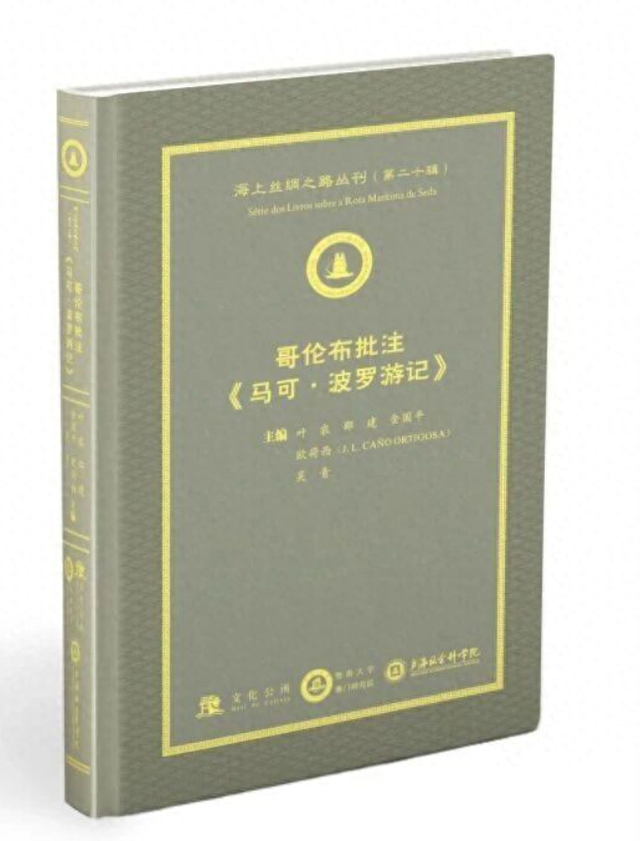
Core Viewpoint - The publication of the Chinese translation of "Columbus's Annotations on Marco Polo's Travels" aims to explore the value of the document and promote the study of Sino-Western cultural exchange [1][3]. Group 1: Document Value and Historical Significance - The core value of the document lies in its connection between Marco Polo and Columbus, two historical figures who significantly altered the world's understanding [3]. - The publication is seen as a continuation of the tradition of historical material organization, effectively promoting the study of Sino-Western cultural exchange history in China [4]. - The document provides insights into the historical context of Sino-Western interactions and can inspire equal dialogue among different civilizations [4]. Group 2: Academic Discussions and Perspectives - Experts emphasized the importance of understanding the varying Western perceptions of China across different periods, highlighting the document's role in tracing the early globalization phase [6]. - The annotations focus on material wealth in China, such as spices, silk, and porcelain, which are crucial for understanding the economic significance of geographical discoveries [6]. - The document is not merely a reprint of "Marco Polo's Travels" but a critical interpretation that showcases the European understanding of China during the transition from the late Middle Ages to modernity [6]. Group 3: Research Implications and Future Directions - Scholars discussed the need to shift focus from a one-dimensional view of knowledge transfer to a more reciprocal understanding of cultural exchanges [9]. - The document's publication is expected to enhance international academic cooperation and interdisciplinary research, further promoting cross-cultural exchanges [11]. - Future research paths include utilizing artificial intelligence for organizing and calibrating overseas documents, as well as expanding the influence of maritime literature through collaborative efforts [11].

大明王朝崩溃的真正原因
第一财经· 2025-12-11 06:36
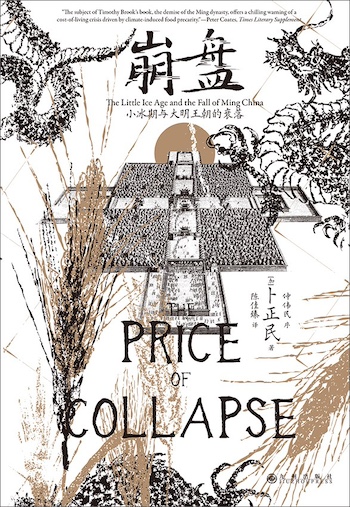
Core Viewpoint - The article discusses the impact of climate change on the decline of the Ming Dynasty, emphasizing that agricultural crises driven by climate fluctuations were pivotal in the dynasty's collapse rather than solely political factors or economic mismanagement [7][8]. Group 1: Climate Change and Agricultural Impact - The "Little Ice Age" began around the 14th century, peaking in the 17th century, leading to severe agricultural disruptions in the Ming Dynasty [7]. - Continuous droughts, particularly in North China, caused grain prices to soar, reaching ten times the prices in the South, which was unsustainable for the population [7]. - The agricultural foundation of the Ming Dynasty deteriorated, transitioning from localized famines during the Yongle period to a nationwide food system collapse by the Chongzhen era [7]. Group 2: Economic Analysis - The author,卜正民, challenges the notion that the influx of silver was the primary cause of inflation, arguing that the limited amount of silver could only affect luxury goods and not the broader economy [8]. - The economic structure of the Ming Dynasty was robust enough that the limited silver supply could not account for the widespread price increases, which were fundamentally linked to climatic conditions [8]. Group 3: Historical Research Methodology - The author utilized data from over 3,000 local gazetteers, extracting 777 records related to famine prices to substantiate his claims about the economic collapse of the Ming Dynasty [8]. - This data-driven approach provides a more nuanced understanding of the socio-economic conditions leading to the dynasty's downfall, moving beyond traditional narratives focused on political strife and rebellion [8].

大明王朝崩溃的真正原因|荐书
Di Yi Cai Jing· 2025-12-11 03:55
Group 1 - The core argument of the article is that the crises faced by the Ming Dynasty in its later years were closely linked to climate change and the resulting rise in prices [2][5] - The author, Canadian sinologist Zhu Zhengmin, examines the historical context of the Ming and early Qing dynasties through the lens of natural history and global history, focusing on the impact of climate on agricultural stability [2][5] - The period known as the "Little Ice Age," which began around the 14th century and peaked in the 17th century, led to intermittent droughts that devastated agriculture, particularly in North China, causing food prices to soar [2][3] Group 2 - Zhu Zhengmin challenges the traditional view that the fall of the Ming Dynasty was primarily due to political strife, government incompetence, and peasant uprisings, suggesting instead that specific climatic factors should be considered [5] - He utilized data from over 3,000 local gazetteers, extracting 777 records related to famine prices, to substantiate his narrative of the Ming Dynasty's collapse [5] - The author argues that the influx of silver, often cited as a cause for inflation, was insufficient to impact prices significantly, with climate being the primary driver of rising grain prices [3]
他们坚毅的脸庞闪着光|2025第一财经年中人文图书
Di Yi Cai Jing Zi Xun· 2025-08-21 13:28
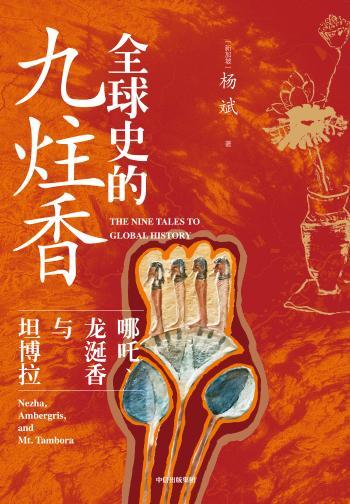
Group 1 - The First Financial Annual Humanities Book Selection started in 2017 and introduced a mid-year humanities book list for the first time during the Shanghai Book Fair this year [1] - The top ten books of the 2025 First Financial Mid-Year Humanities Book List include titles such as "The Nine Incense Sticks of Global History," "Life Like Morning Frost: Law, Society, and Women in 'Dream of the Red Chamber'," and "The Arab Sands" [1][26] - The editor-in-chief of First Financial, Yang Yudong, emphasized the importance of humanities reporting in financial media, stating that it reflects the spirit of humanity and is essential for understanding human history and social dynamics [2][1] Group 2 - Yang Yudong highlighted the need for long-termism and idealism in society, which cannot be found in short videos but only in books, reinforcing the necessity of humanities and social science reporting [2] - The book "The Nine Incense Sticks of Global History" by Yang Bin explores the interconnectedness of seemingly distant historical events and their impact on Chinese history, advocating for a global perspective in understanding Chinese culture [4][5] - "Life Like Morning Frost" by Ke Lan examines the intersection of literature and law in the context of "Dream of the Red Chamber," providing a new understanding of female characters through the lens of Qing Dynasty legal and social conditions [7][8] Group 3 - "The Violin Maker of Delft" by Ramón Andrés delves into the cultural, artistic, and scientific milieu of 17th-century Europe, using the life of a lesser-known artist to explore broader historical themes [10][11] - "The End of Fantasy: A Biography of Mu Dan" by Yi Bin presents the life and struggles of the poet Mu Dan, highlighting his contributions to modern Chinese poetry and translation [13][14] - "Source Code: Bill Gates' First Autobiography" reflects on Gates' early life and influences, emphasizing the importance of family and education in shaping his career [16][17] Group 4 - "Abao" tells the true story of a Miao woman who was trafficked and later wrote about her experiences to inspire her daughters, showcasing resilience and the power of storytelling [19][20] - "The Shadow of the Sun: A Journey into Africa" by Ryszard Kapuściński offers a unique perspective on African life and culture through the author's extensive travels and observations over 30 years [22][23][24] - "Finding the Right Words: A Story of Literature, Grief, and the Brain" explores the author's journey with her father's Alzheimer's disease, blending personal narrative with medical insights [30][31] Group 5 - "The Men Left Behind" by Richard V. Reeves discusses the challenges faced by men in modern society, including educational and occupational disparities, and suggests structural changes to address these issues [33][34]