属地管辖原则

Search documents
缅北电诈分子在华受刑 有何法律依据?
Xin Lang Cai Jing· 2026-02-08 17:26
(来源:千龙网) 1月29日至2月2日,缅北所谓"四大家族"中明家、白家犯罪集团的骨干成员明国平、明珍珍、白应苍等 15名电诈分子,在中国境内被执行死刑。 网友们拍手称快的同时,也有疑惑:"一些外籍电诈分子为何能在中国审判、受刑?中国法院为什么能 审判发生在缅甸的罪行?"公开资料显示,此次被执行死刑的明国平,以及去年一审结束后病死的白所 成等疑似都是外籍人士。 近日,新京报记者从多位国际刑法专家处了解到,一些外籍犯罪分子在我国受审、受刑合理合法,且早 有先例。 "简单来说,不管你是不是中国籍,不管犯罪地点是否在中国,只要侵害对象是中国公民,中国法律就 能依法处置,虽远必诛。" 原则 三大管辖原则精密配合 成跨境追凶"武器库" 黄风说,三大管辖原则的精密配合,堪称我国跨境追凶的法律武器库。 首先是属地管辖原则。"根据《中华人民共和国刑法》第六条,犯罪的行为或者结果有一项发生在中华 人民共和国领域内的,就认为是在中华人民共和国领域内犯罪。"对外经贸大学法学院副教授冀莹说, 也就是说,不管哪国人,只要犯罪结果发生在中国,《中华人民共和国刑法》就能管。 以明家犯罪集团为例。他们招揽电诈"金主",陆续设立了卧虎山庄、路 ...
线上消费投诉频发,监管质量受到质疑
Sou Hu Cai Jing· 2025-06-18 18:12
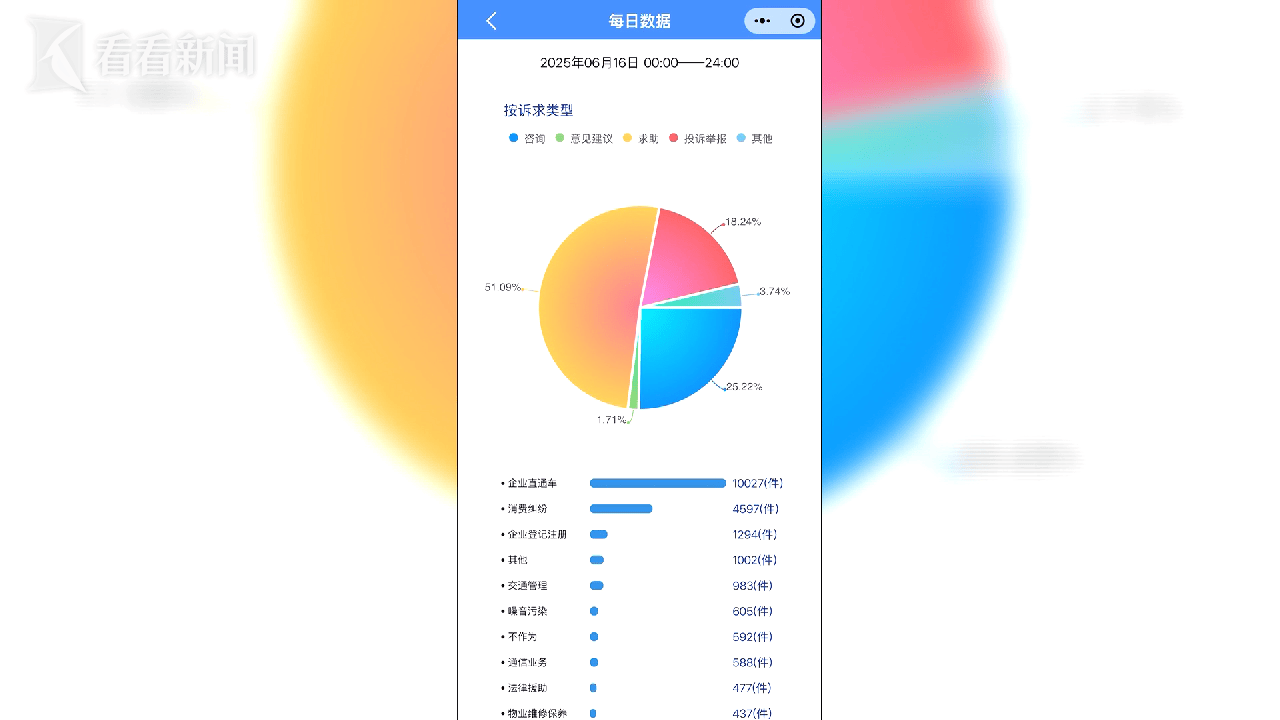
Core Viewpoint - The article highlights the increasing consumer complaints regarding online shopping disputes, particularly focusing on the ineffectiveness of market regulatory departments in addressing these issues, leading to dissatisfaction among consumers [1][3]. Group 1: Consumer Complaints - A significant number of complaints have been directed at market regulatory departments, indicating a lack of trust in their ability to resolve disputes effectively [3][5]. - Consumers have reported instances where they did not receive any communication from regulatory departments after filing complaints, leading to frustration and unresolved issues [5][7]. Group 2: Regulatory Challenges - Market regulatory departments often lack the resources to handle the volume of complaints, with some departments receiving over 80,000 complaints in a year, yet having only a few staff members to manage them [9][10]. - The current system requires that all complaints be directed to the platform's registered location, which can overwhelm local regulatory bodies, resulting in inadequate responses to consumer issues [9][12]. Group 3: Proposed Solutions - Some districts are experimenting with dedicated "online monitoring offices" to better manage complaints related to online platforms, although the workload remains high for the limited staff available [10][12]. - There are suggestions to change the jurisdiction principle, allowing complaints to be handled by the regulatory department in the consumer's or the merchant's location, which could lead to more effective resolutions [12].