工业遗产转型

Search documents
(新春走基层)工业遗产焕新颜 浙江老厂用快门声重写工业记忆
Zhong Guo Xin Wen Wang· 2026-02-16 03:59
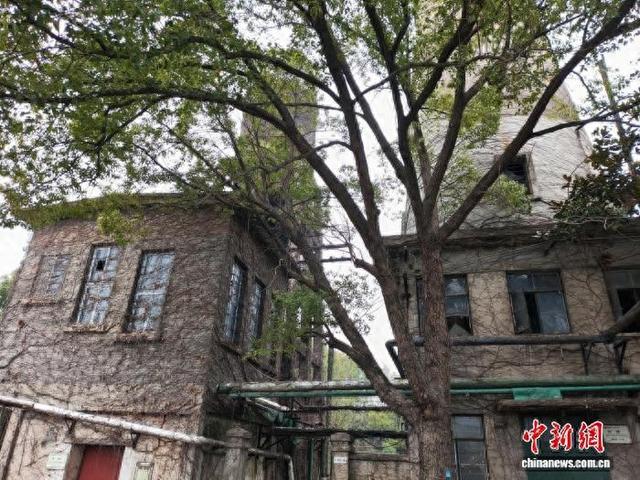
Core Viewpoint - The transformation of Huzhou Zhe Silk No. 2 Factory from an industrial site to a cultural and tourism hub reflects the integration of industrial heritage with modern tourism, showcasing the potential for revitalization in traditional industries [1][6]. Company Overview - Huzhou Zhe Silk No. 2 Factory, located in the town of Linghu, Zhejiang Province, has a historical significance as it was established in 1946 and became the largest modern silk reeling enterprise in China by 1948 [1]. - The factory was recognized as a national industrial heritage site in 2017, marking it as the only silk industry enterprise to receive this honor in the country [6]. Industry Context - The traditional silk weaving industry faces challenges due to international market fluctuations and the need for industrial upgrades [6]. - The integration of industrial heritage with tourism is a growing trend in Zhejiang, with other sites like Hangzhou Steel Park also successfully combining industrial remnants with cultural events [7]. Transformation Strategy - The factory's strategy focuses on combining production with cultural tourism, allowing visitors to experience the original silk-making processes [6]. - Local initiatives have included events such as fish lantern parades and the distribution of traditional Spring Festival couplets to attract tourists [7].

拉古纳奖亚洲首展,工业遗产汇聚全球青年艺术
Xin Lang Cai Jing· 2025-11-01 02:31
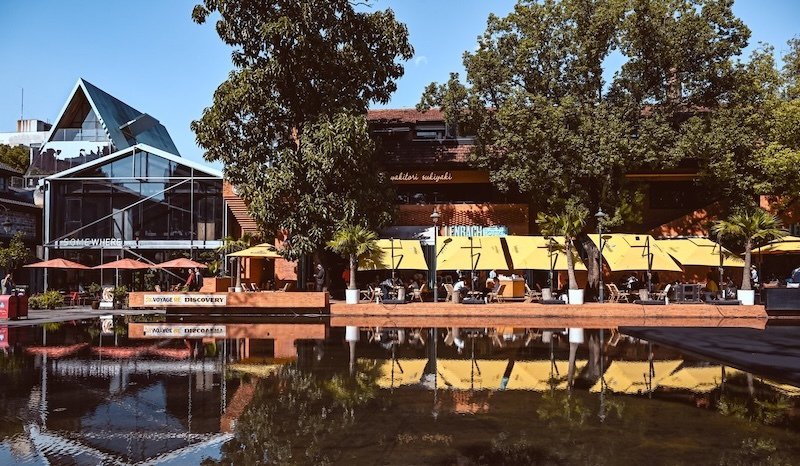
Core Insights - The EKA·Tianwu creative park in Shanghai, formerly the Shanghai Marine Instrument Factory, has been transformed into a multi-dimensional space for art and culture, hosting the first Asian exhibition of the Laguna International Art Prize, featuring over 100 works from artists worldwide [1][8]. Group 1: Transformation of EKA·Tianwu - EKA·Tianwu covers an area of 100 acres and retains industrial heritage elements, such as workshops and red brick buildings, while integrating creative design, art exhibitions, retail, dining, and cultural experiences [1][5]. - The park's renovation was led by architects Jiang Huajian and Yu Ting, featuring notable structures like the Copper Fort and the Memory Warehouse, which serve as venues for art exhibitions and forums [6][10]. Group 2: Laguna International Art Prize - Established in 2006 in Venice, the Laguna International Art Prize aims to promote global artistic innovation and support young artists, celebrating its 20th anniversary with this exhibition in Shanghai [8]. - The exhibition includes over 100 works across various media, such as painting, sculpture, and digital art, addressing the theme of cultural diversity in contemporary art [8][12]. Group 3: Featured Artists and Works - Notable works include Fanny Moro's painting "Trying On," which explores contemporary female identity, and Gustavo Martini's installation "30 Seconds," reflecting on the fleeting nature of time in the digital age [12][14]. - The parallel exhibition features 18 invited Chinese artists, including Ding She’s large installation "Order of Force," which fills the factory's dome space, and Guo Gong’s sculpture "Wood Board - Listening to the Wind," showcasing the natural growth of trees [19][25]. Group 4: Exhibition Experience - The exhibition design retains the industrial structure of the park, using rust-colored walls to enhance the viewing experience and create a dialogue between art and history [17]. - The exhibition will run until December 15, 2025, allowing for ongoing engagement with the artworks and themes presented [26].
修复生态发展文旅 浙江千年矿洞生财有道
Zhong Guo Xin Wen Wang· 2025-10-04 09:06
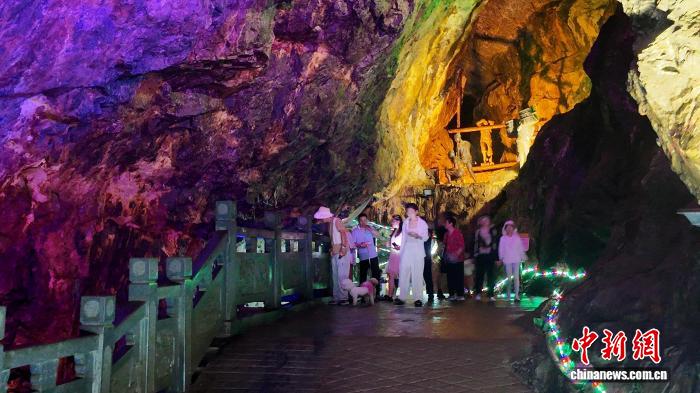
Core Insights - The article discusses the transformation of the Suichang Gold Mine in Zhejiang, which has a history of over a thousand years, into a tourism resource, benefiting local villagers economically [1][2]. Group 1: Historical Background - The Suichang Gold Mine, known as "the first mine in Jiangnan," has a mining history dating back to the Tang Dynasty, becoming the largest silver production site in China during the Ming Dynasty [2]. - The mining activities have led to ecological issues and a reduction in mineral reserves, prompting the need for a shift in development strategy [2]. Group 2: Ecological Restoration Efforts - The mine has faced significant ecological challenges due to its long history of mining, including scattered mining pits and geological hazards [2]. - Measures taken include the construction of interception ditches for pollution control, advanced technology to fill and seal mined-out areas, and remediation of acidic waste rock sites through neutralization and reforestation [2]. Group 3: Tourism Development - The mine has been transformed into a tourist attraction, featuring ancient mining techniques and a gold museum, which has increased visitor engagement [4]. - The tourism initiative has created direct employment for over 530 local residents and indirectly benefited more than 3,000 others in the surrounding area [4]. Group 4: Broader Implications - The case of Suichang Gold Mine reflects a broader trend in China where industrial heritage sites are being repurposed for tourism, creating new economic value while preserving historical significance [4].