湖丝

Search documents
(新春走基层)工业遗产焕新颜 浙江老厂用快门声重写工业记忆
Zhong Guo Xin Wen Wang· 2026-02-16 03:59
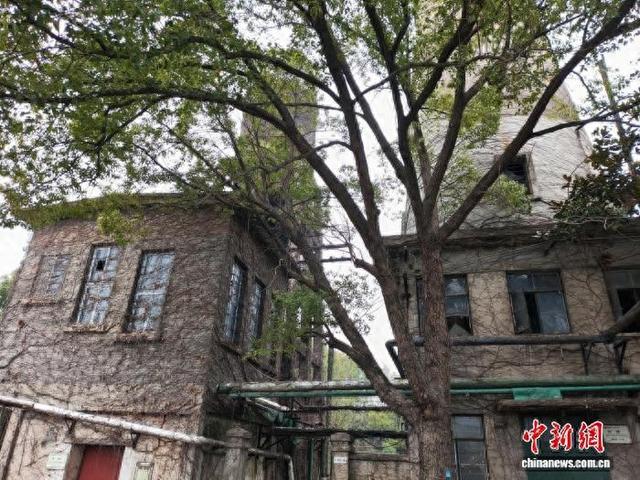
Core Viewpoint - The transformation of Huzhou Zhe Silk No. 2 Factory from an industrial site to a cultural and tourism hub reflects the integration of industrial heritage with modern tourism, showcasing the potential for revitalization in traditional industries [1][6]. Company Overview - Huzhou Zhe Silk No. 2 Factory, located in the town of Linghu, Zhejiang Province, has a historical significance as it was established in 1946 and became the largest modern silk reeling enterprise in China by 1948 [1]. - The factory was recognized as a national industrial heritage site in 2017, marking it as the only silk industry enterprise to receive this honor in the country [6]. Industry Context - The traditional silk weaving industry faces challenges due to international market fluctuations and the need for industrial upgrades [6]. - The integration of industrial heritage with tourism is a growing trend in Zhejiang, with other sites like Hangzhou Steel Park also successfully combining industrial remnants with cultural events [7]. Transformation Strategy - The factory's strategy focuses on combining production with cultural tourism, allowing visitors to experience the original silk-making processes [6]. - Local initiatives have included events such as fish lantern parades and the distribution of traditional Spring Festival couplets to attract tourists [7].

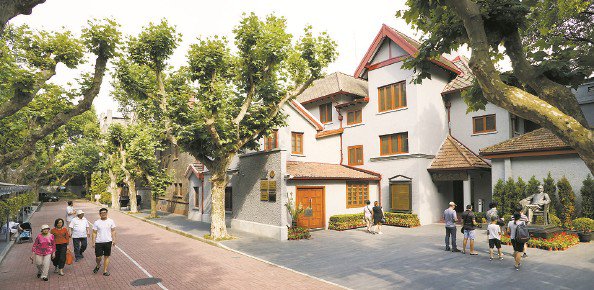
一代代香山人在沪书写传奇
Xin Lang Cai Jing· 2026-01-30 07:17
Historical Context - The article discusses the historical significance of Xiangshan Road in Shanghai, which connects the cultural and economic histories of Shanghai and Xiangshan, Guangdong [2] - Xiangshan County was established in 1152, while Shanghai became a county in 1292, marking the beginning of their respective historical narratives [2] Economic Development - Xiangshan merchants played a crucial role in Shanghai's economic development during the early days of the foreign concessions, with notable figures like Xu Rongcun achieving recognition at the 1851 London Expo [3] - Xu Rongcun's entrepreneurial journey led to the establishment of significant businesses, including the first insurance company in China and a major tea export business [3] Industrial Contributions - Tang Tingshu, another prominent Xiangshan figure, reformed the China Merchants Steam Navigation Company, turning it into the largest shipping enterprise in China [4] - The article highlights the contributions of Xiangshan entrepreneurs to modern Chinese industry, including the establishment of coal mines and railways [4] Cultural Influence - The article notes a shift in the role of Xiangshan individuals in Shanghai during the Republic of China era, with more involvement in cultural and educational fields [5] - Notable contributions include the founding of the National Conservatory of Music by composer Xiao Youmei, which became a significant institution for modern Chinese music education [5] Publishing and Film Industry - Wang Yunwu's achievements in publishing, including the creation of the "Wanyou Library" and innovations in Chinese character indexing, are highlighted as significant cultural contributions [6] - The impact of Xiangshan individuals in the film industry is also noted, with figures like actress Ruan Lingyu and director Zheng Junli shaping the cinematic landscape of Shanghai [6] Mutual Influence - The relationship between Xiangshan and Shanghai is characterized as mutually beneficial, with Xiangshan's entrepreneurs contributing to Shanghai's modernization and cultural richness [7] - The article emphasizes the interconnectedness of the two regions, illustrating how their histories and developments are intertwined, reflecting broader national progress [7]