工业旅游

Search documents
工业旅游“热”起来 老字号“潮”向前
Zheng Quan Ri Bao· 2026-02-24 15:38
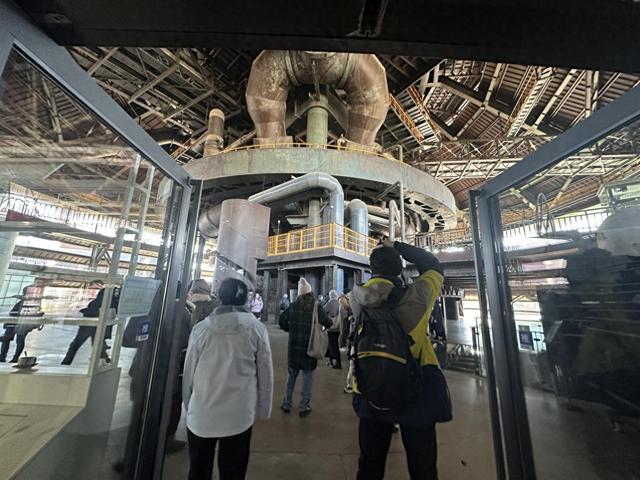
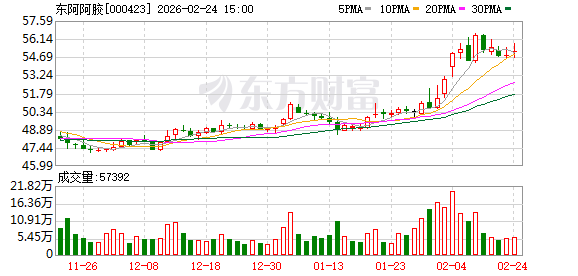
Core Viewpoint - Dong'e Ejiao has successfully integrated industrial tourism with traditional Chinese medicine culture, creating a unique experience that attracts visitors seeking a cultural and immersive holiday experience [2][7]. Group 1: Industrial Tourism Development - Dong'e Ejiao has developed a comprehensive industrial tourism chain that includes production lines, donkey breeding bases, and cultural attractions, providing a unique holiday experience away from crowded tourist spots [2]. - The company has redefined the boundaries of industrial tourism, offering visitors a sensory experience through various aromas associated with different production areas [5]. - The integration of advanced technology, such as AI visual recognition for quality control, showcases the company's commitment to innovation while maintaining traditional practices [6]. Group 2: Visitor Experience and Engagement - Families, like Mr. Xu's, are increasingly choosing Dong'e for its cultural richness and unique experiences, which exceed their expectations [4]. - The company offers interactive experiences, such as feeding donkeys and participating in traditional crafts, enhancing visitor engagement and cultural appreciation [4]. - The tourism area has seen significant visitor numbers, with projections indicating over 3 million visitors and 2 billion yuan in tourism revenue by 2025 [4]. Group 3: Future Growth and Investment - Dong'e Ejiao plans to invest 1.485 billion yuan in a health consumer goods industrial park, aiming to strengthen its position in the health industry and enhance its industrial tourism offerings [6]. - The company is recognized for its innovative approach to combining traditional culture with modern tourism, contributing to its transformation into a comprehensive cultural and tourism destination [6][8].


(新春走基层)工业遗产焕新颜 浙江老厂用快门声重写工业记忆
Zhong Guo Xin Wen Wang· 2026-02-16 03:59
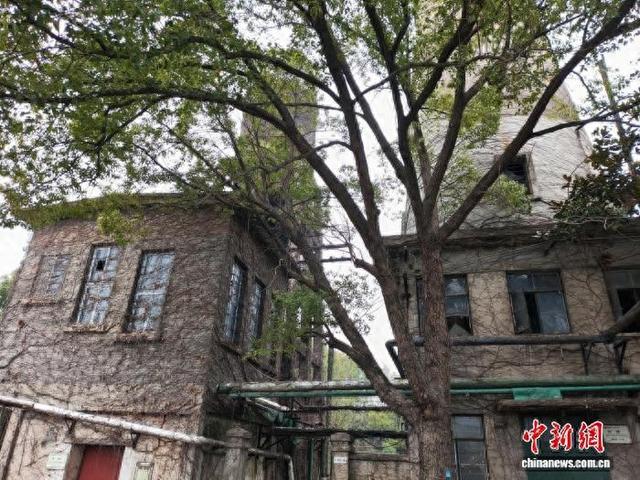
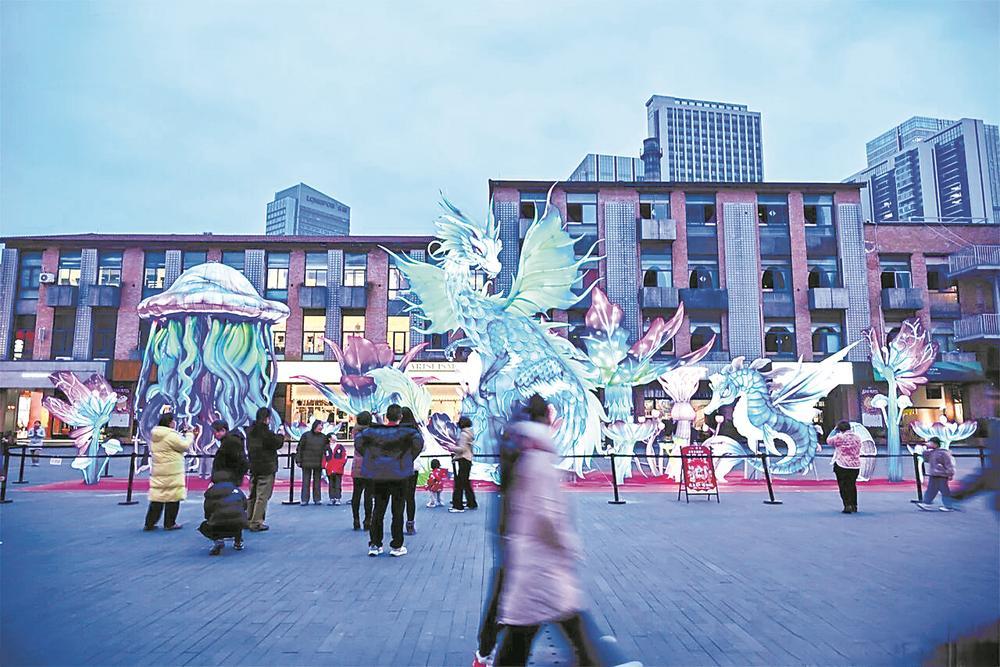
Core Viewpoint - The transformation of Huzhou Zhe Silk No. 2 Factory from an industrial site to a cultural and tourism hub reflects the integration of industrial heritage with modern tourism, showcasing the potential for revitalization in traditional industries [1][6]. Company Overview - Huzhou Zhe Silk No. 2 Factory, located in the town of Linghu, Zhejiang Province, has a historical significance as it was established in 1946 and became the largest modern silk reeling enterprise in China by 1948 [1]. - The factory was recognized as a national industrial heritage site in 2017, marking it as the only silk industry enterprise to receive this honor in the country [6]. Industry Context - The traditional silk weaving industry faces challenges due to international market fluctuations and the need for industrial upgrades [6]. - The integration of industrial heritage with tourism is a growing trend in Zhejiang, with other sites like Hangzhou Steel Park also successfully combining industrial remnants with cultural events [7]. Transformation Strategy - The factory's strategy focuses on combining production with cultural tourism, allowing visitors to experience the original silk-making processes [6]. - Local initiatives have included events such as fish lantern parades and the distribution of traditional Spring Festival couplets to attract tourists [7].
生产场 生活场 创新场
Xin Lang Cai Jing· 2026-02-11 18:46
Core Insights - Industrial tourism is gaining popularity as a new frontier in cultural and tourism consumption, driven by technological advancements and policy support for the integration of industrial culture and tourism [1][2] Group 1: Industrial Tourism Trends - The rise of industrial tourism reflects the public's increasing interest in scientific knowledge and emerging technologies, shifting from superficial entertainment to deeper engagement with knowledge [2] - Over a hundred national-level industrial tourism demonstration benchmarks have been established across various industries, supported by local initiatives to promote the "industrial + cultural tourism" innovation practice [1][2] Group 2: Case Study - Dongjiao Memory - Dongjiao Memory, a 282-acre park formerly known as the state-owned Hongguang Electronic Tube Factory, has seen daily visitor numbers exceed 50,000 since its reopening in June 2021, with projected annual visitors reaching 17.94 million by 2025 [3] - The park features over 70 domestic brands and 90 flagship stores, making it a popular cultural and creative destination for young people [3] Group 3: Value Creation in Industrial Tourism - Four core pathways are suggested for transforming industrial spaces into integrated environments for production, consumption, experience, and knowledge [4][6] - The boundaries between production and visitor experience are increasingly blurred, with interactive elements embedded in production processes [4] - User participation in production processes enhances brand trust and recognition [5] - The integration of local culture and community activities into old industrial spaces activates their multiple values and attracts stable visitor flows [6] - Industrial tourism is encouraged to take on a greater role in public science education, transforming high-tech knowledge into engaging learning experiences [6] Group 4: Technological Integration - The acceleration of technologies such as AI, virtual reality, big data, and IoT is creating new opportunities for industrial tourism [6] - AI-guided systems can provide personalized tours based on visitor demographics, while data analytics enhances tourism planning and exhibition design [6]
从“煤港”到“美港” 渤海湾畔开“新”局
Ren Min Wang· 2026-02-09 02:01
Core Insights - Qinhuangdao is undergoing significant industrial transformation, focusing on green innovation and technological advancement to enhance its industrial capabilities as it approaches the "15th Five-Year Plan" [1] Group 1: Nuclear Power Equipment - The domestic nuclear power equipment manufacturing base, represented by Harbin Electric Heavy Machinery Company, has achieved a market share of 38.3% for the Hualong One steam generator, breaking the historical reliance on foreign technology [3] - The company has generated a cumulative output value of 6.3 billion yuan during the "14th Five-Year Plan" period, with a target of exceeding 1.8 billion yuan by 2025 [3] - The manufacturing process utilizes a 5G smart control platform, ensuring precision in production with welding errors controlled within millimeters [3] Group 2: Shipbuilding Industry - The shipbuilding sector has seen its total industrial output value rise from 4.2 billion yuan to 7.19 billion yuan during the "14th Five-Year Plan," with high-value-added vessels making up over 90% of orders [6] - The company has invested over 200 million yuan annually in R&D, resulting in 61 patents and significant improvements in production efficiency, including a 20% reduction in key construction cycles [6] - The introduction of green technologies has led to a 12% reduction in comprehensive energy consumption and carbon emissions [6] Group 3: Port Transformation - Qinhuangdao Port has transitioned from a coal port to a modern industrial tourism destination, receiving over 6.4 million visitors annually [7] - The port's green initiatives include a photovoltaic power generation project with an annual output of over 2 million kilowatt-hours and a water recycling system that saves 80,000 tons of water per year [7] - The port's operations now emphasize both economic viability and ecological sustainability, ensuring a balance between industrial activity and environmental protection [7] Group 4: Ecological Integration - The integration of ecological considerations into industrial development is evident, with Harbin Electric generating 5.69 million kilowatt-hours from solar panels, reducing CO2 emissions by 3,053 tons [9] - The shipbuilding company has achieved a 98% recovery rate for industrial wastewater through green processes [9] - The overall development model in Qinhuangdao emphasizes the synergy between ecological preservation and industrial growth, showcasing a commitment to sustainable practices [9] Group 5: Future Development Goals - Qinhuangdao aims to actively participate in the coordinated development of the Beijing-Tianjin-Hebei region, focusing on building a modern industrial system and enhancing its role as a key city in the area [10] - The city is committed to high-quality, leapfrog development, contributing to the economic strength and beauty of Hebei province [10]
如何将工业旅游培育为真正的消费增长极?人大代表建言
Xin Lang Cai Jing· 2026-02-06 04:32
Core Viewpoint - The Shanghai government is focusing on developing a modern tourism industry by implementing a plan that includes various types of tourism such as red tourism, cultural tourism, industrial tourism, ancient town tourism, and rural tourism [1] Group 1: Industrial Tourism Development - Shanghai has a strong industrial foundation and is accelerating the establishment of a "2+3+6+6" modern industrial system, with significant potential for transforming industrial clusters into unique cultural tourism experiences [3] - There are challenges in cultivating industrial tourism as a consumption growth driver, including ineffective integration of quality resources from industry, culture, and rural areas, as well as a lack of smooth connections in the experience and consumption chain [3] - Suggestions for promoting the integration of cultural tourism and industrial tourism include establishing a "Shanghai Industrial Tourism Development Joint Conference" led by city leaders to enhance coordination and policy integration [4] Group 2: Enhancing Consumer Experience - The creation and evaluation of municipal industrial tourism demonstration sites should be closely linked with the construction of "Rural Revitalization Demonstration Villages," with increased rewards and subsidies for recognized enterprises to stimulate their willingness to open for visits and improve services [4] - Innovative promotional and experiential models are proposed, such as incorporating industrial tourism scenes into city-wide consumption promotion events like the "Five-Five Shopping Festival" and "Shanghai Summer," and issuing special consumption vouchers [4] - Initiatives like hosting "night industrial shows," including light shows, immersive theaters, and themed night markets, are aimed at activating the nighttime economy [4]
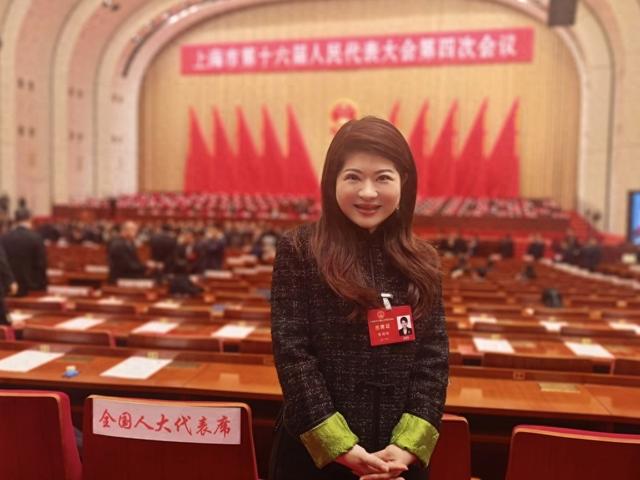
黑龙江省人大代表隋熙凤: 构建“三位一体”工业旅游新格局
Zhong Guo Fa Zhan Wang· 2026-02-05 03:08
Core Viewpoint - The development of industrial tourism in Heilongjiang Province is proposed as a means to inject new momentum into the transformation of old industrial bases, emphasizing the integration of industry, intangible cultural heritage (ICH), and educational research [1][2]. Group 1: Industrial Tourism Development - Heilongjiang Province aims to create a new framework for industrial tourism that combines industry, ICH, and educational research, leveraging its status as a significant old industrial base and cultural province [1]. - The province possesses 12 national industrial heritage sites and 43 national ICH projects, indicating substantial potential for industrial tourism development [1]. Group 2: Policy Recommendations - The proposal includes three main suggestions: 1. Strengthening top-level design and clarifying implementation paths through a special action plan led by the provincial cultural tourism department [2]. 2. Innovating collaborative mechanisms to ensure responsibilities are shared among government, enterprises, and educational institutions [2]. 3. Creating iconic carriers such as the "Heilongjiang Industrial Memory Corridor" to promote unique experience routes and national-level research bases [2]. Group 3: Goals and Aspirations - The initiative aims to revitalize old factories and pass on traditional crafts, establishing a "three-in-one" framework as a hallmark of strong provincial development and providing a model for the transformation of old industrial bases nationwide [2].
开辟工业旅游新蓝海
Jing Ji Ri Bao· 2026-01-23 22:20
Core Viewpoint - Industrial tourism is emerging as a new avenue for cultural and tourism integration in China, showcasing the synergy between the manufacturing sector's comprehensive strength and the vast market potential [1] Group 1: Current State of Industrial Tourism - Industrial tourism is gaining attention, with examples from various regions such as smart car factories in Henan and transparent production lines in Guangdong [1] - As of early 2024, there are over 1,200 industrial tourism enterprises in China, with the market expected to exceed 100 billion yuan by 2030 [1] - Compared to developed countries like Germany and the United States, China's industrial tourism is still in its infancy, contributing less than 5% to total tourism revenue, while the global average is 10% to 15% [2] Group 2: Challenges Faced - The product offerings in China's industrial tourism are relatively homogeneous, primarily consisting of "touring pathways + product displays + corporate exhibitions," which do not meet the diverse experiential needs of visitors [2] - Many industrial enterprises view tourism as a secondary activity, lacking long-term investment and professional operational awareness [2] - There is insufficient brand influence and marketing capability in industrial tourism, and it has not effectively integrated with regional tourism, limiting its economic impact [2] Group 3: Recommendations for Development - Strengthening top-level design and optimizing the development environment by integrating industrial tourism into regional tourism plans and industrial transformation strategies [3] - Encouraging enterprises to recognize the strategic value of industrial tourism in brand building and customer loyalty, and to incorporate it into their long-term development plans [3] - Promoting product innovation by shifting from simple tours to immersive and interactive experiences, utilizing technologies like VR/AR to enhance visitor engagement [4] - Integrating industrial tourism resources at the city or industrial cluster level to create thematic routes and enhance regional tourism branding [4]
工业游从“小众体验”迈向“大众消费” “工业+文旅”多元场景释放新经济增长点
Yang Shi Wang· 2026-01-18 11:03
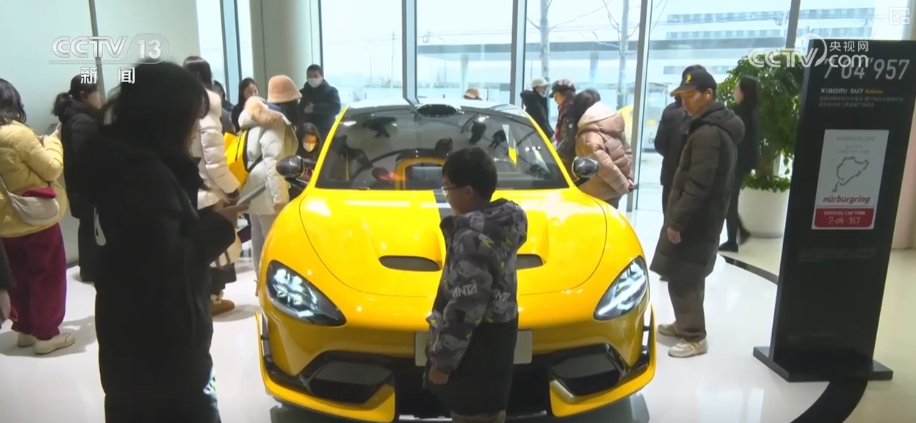
Core Viewpoint - The rise of factory tours in China, described as "industrial tourism," has become increasingly popular, with high demand for visits surpassing even that of competitive university admissions [1][26]. Group 1: Popularity and Demand - Factory tours have become a sought-after experience, with reports indicating that visiting factories is now more challenging to book than entering some prestigious universities [1]. - A significant number of visitors, nearly 200,000, have been received by a specific automotive factory, indicating the high interest in industrial tours [6]. - To address the overwhelming demand, factories have increased their visitor capacity from 10,000 to 25,000 per month and expanded group sizes from 40 to 60-80 people [7]. Group 2: Business Opportunities - The industrial tourism trend has opened new avenues for businesses, allowing them to attract partnerships and collaborations with other companies [2][4]. - The integration of industrial tourism has led to a 20% increase in sales for some companies, with projections of reaching around 5 billion yuan in sales by 2025, of which nearly 1 billion yuan is attributed to industrial tourism [19]. - The concept of "industrial + cultural tourism" is being developed, creating diverse experiences for visitors, such as camping and tasting fresh food directly from production lines [21]. Group 3: Industry Transformation - The industrial tourism sector is evolving from a niche experience to a mainstream consumer activity, driven by consumer demand for transparency in production and companies' strategic shifts towards new consumption scenarios [24]. - The Ministry of Industry and Information Technology has emphasized the importance of integrating industry with cultural tourism, with 122 national-level industrial tourism demonstration bases established across various provinces [22]. - Experts highlight that the deep integration of industry and tourism can stimulate new economic growth points and enhance the overall efficiency of manufacturing and service sectors [28].
厂区变景区大有可为
Jing Ji Ri Bao· 2026-01-10 22:02
Core Viewpoint - The inclusion of Yixing Qianshu Long Kiln in the national industrial heritage list highlights the growing trend of transforming industrial sites into tourist attractions, indicating significant potential for the industrial tourism sector in China [1] Group 1: Industrial Tourism Development - Industrial tourism is an innovative model that integrates industry and cultural tourism, playing a crucial role in revitalizing industrial assets, enhancing tourism quality, and promoting economic transformation [1] - China's industrial tourism resources are abundant, yet the market remains largely undeveloped, with a market share of less than 5%, compared to the global industrial tourism market, which accounts for 10% to 15% of total tourism revenue [1] - Current offerings in China's industrial tourism primarily focus on factory tours, educational experiences, and industrial heritage tourism, but face challenges such as limited scale, few premium routes, incomplete product systems, and inadequate marketing and service support [1] Group 2: Strategies for Industrial Tourism Enhancement - Local governments should conduct surveys of industrial heritage resources to understand the landscape of industrial tourism and develop supportive policies for the functional transformation of industrial heritage [2] - The integration of modern digital technologies with traditional expressions can enhance the industrial tourism experience, promoting cross-industry collaborations with arts, culture, and education to create unique cultural narratives and brands [2] - Encouraging local enterprises to embed industrial tourism functions into their operations and design can lay a solid foundation for the sector's growth, with a focus on creating smart factories and digital workshops as benchmarks for industrial tourism [3]
年终盘点|新韵2025——文商旅体融合,文蕴全球共赏
Bei Jing Ri Bao Ke Hu Duan· 2025-12-23 04:18
Core Perspective - Beijing has successfully integrated its rich cultural heritage with modern vitality, showcasing a vibrant blend of cultural, commercial, and tourism activities throughout the past year [1]. Group 1: Red Tourism - The "Guanqiao Chengyuan" project in Wanping has been revitalized to celebrate the 80th anniversary of the victory in the Anti-Japanese War, enhancing its appeal as a red tourism destination [2]. - Beijing's cultural and tourism bureau has launched 10 themed red tourism routes, connecting significant historical sites and promoting immersive experiences in red culture [2]. Group 2: Industrial Tourism - Shougang Park has transformed into a hub for industrial tourism, attracting visitors with its unique blend of historical industrial heritage and modern artistic experiences [3][5]. - By 2025, Beijing aims to establish a matrix of 30 industrial tourism demonstration sites, showcasing various types of industrial resources, from traditional crafts to smart manufacturing [7]. Group 3: Inbound Tourism - Inbound tourism in Beijing is experiencing rapid growth, with a 42.9% increase in international visitors in the first three quarters of 2025, reaching 3.884 million [9]. - The optimization of inbound tourism services, such as the "free half-day tour" for short-term visitors, has enhanced the overall experience and attracted a diverse range of tourists [10]. Group 4: Ticket Economy - The "ticket root economy" in the Asia-Olympic business circle allows event tickets to serve as discount cards for various dining and retail establishments, boosting local consumption [13][15]. - Major events, such as concerts and sports competitions, have significantly increased foot traffic and sales in surrounding areas, with the Bird's Nest hosting over 300 events expected to attract more than 3 million attendees [26]. Group 5: E-sports Industry - The KPL annual finals set a Guinness World Record for the highest attendance at an e-sports event, with 62,196 spectators, marking a significant milestone for Beijing's e-sports industry [23][27]. - The city is positioning itself as a center for the gaming and e-sports industry, with policies aimed at enhancing the sector's development and expanding its cultural and tourism integration [23]. Group 6: Cultural and Tourism Exhibitions - The Beijing International Cultural Tourism Expo showcased innovative experiences and attracted significant attendance, with sales reaching 211 million yuan during the event [24][25]. - Various cultural exhibitions throughout the year have successfully promoted the integration of culture and tourism, enhancing consumer engagement and driving sales [25].