左翼文化

Search documents
谈谈那盏读书的灯
Xin Lang Cai Jing· 2026-01-07 06:54
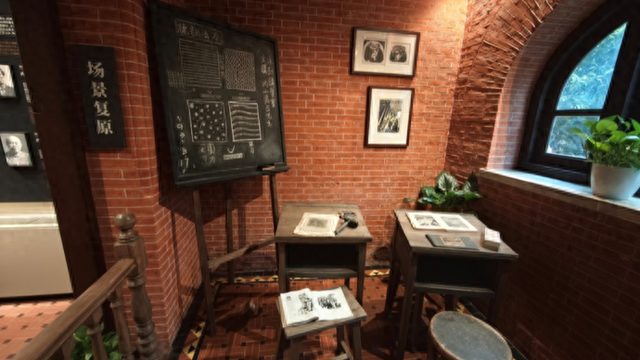
Core Perspective - The article reflects on the historical significance of woodblock printing as a form of artistic expression and social commentary, emphasizing its role in the leftist cultural movement in China and its relevance to contemporary youth [1][2][3]. Group 1: Historical Context - Woodblock printing was utilized as a powerful tool for communication and resistance during the revolutionary period, allowing for rapid dissemination of ideas and truths [2]. - The legacy of leftist culture is tied to the historical context of the 1930s, where art served as a means of seeking light in darkness and opening up avenues for expression [2][3]. Group 2: Contemporary Relevance - The spirit of leftism today is viewed as a continuation of historical awareness and a commitment to social engagement, rather than a specific political stance [3]. - Contemporary artists are encouraged to maintain a connection to reality and express their concerns through their work, reflecting the ongoing relevance of artistic expression in society [3][4]. Group 3: Artistic Responsibility - There is a call for artists, especially the youth, to cherish their rights to expression and to engage critically with the world around them, despite the challenges posed by modern consumerism [3]. - The article emphasizes that the essence of leftist culture should not be confined to history but should actively inform the motivations behind artistic creation and daily life [3][4].
十日谈·听,青春在发声
Xin Lang Cai Jing· 2025-12-27 04:17
Core Viewpoint - The article emphasizes the importance of cultural responsibility among contemporary youth, advocating for a revival of the spirit of "poetry and knife" as a means to express unique experiences and critique societal issues [5][6][7]. Group 1: Cultural Responsibility - Contemporary youth are seen as inheritors of cultural traditions and must also act as drivers of cultural development [7]. - There is a call for youth to become modern-day "Lu Xun," giving voice to marginalized groups obscured by dominant narratives [6]. - The article highlights the need for art to serve as a tool for social critique, suggesting that it should be accessible in public spaces [6]. Group 2: Artistic Expression - The revival of woodcut art is presented as a powerful medium for expressing personal and collective experiences, with each carving representing the creator's life [5]. - The article discusses the tension between globalization and localization, urging the creation of aesthetic forms that reflect the unique experiences of the current generation [6]. - Youth are encouraged to capture the essence of their times with sensitivity and courage, allowing poetry and art to resonate in everyday life [6][7].

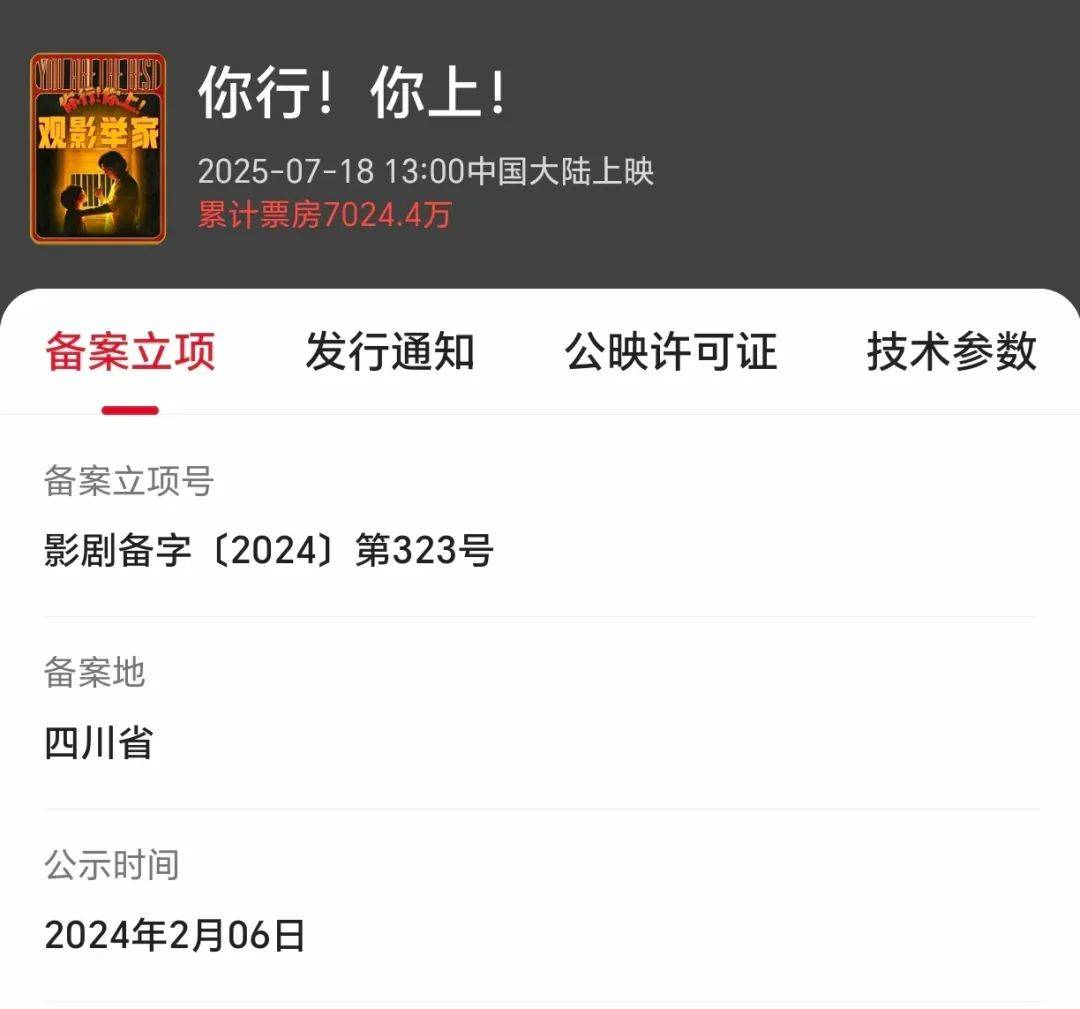
《你行你上》醋不少,但姜文拍的不是电影
Hu Xiu· 2025-07-21 13:55
Core Viewpoint - The article discusses the return of director Jiang Wen with his new film "You Can! You Go!" after a seven-year hiatus, highlighting the mixed critical reception and the film's thematic depth related to Chinese history and culture [1][2][3]. Group 1: Film Overview - "You Can! You Go!" is positioned as a piano student’s inspirational growth story but is interpreted as a metaphor for the history of the Republic [2]. - The film's release coincides with a challenging environment for the film industry, making it a notable event in recent months [2]. - Jiang Wen's previous works have been celebrated for their artistic and commercial success, creating high expectations for this new release [1][2]. Group 2: Critical Reception - The film has received mixed reviews, with some critics praising its ambition while others criticize it for being chaotic and self-indulgent [3][5]. - Critics argue that the film's reliance on political symbolism may limit its artistic value, questioning whether it can be appreciated beyond a political lens [3][5]. - The article suggests that if a film can only be understood through political interpretation, its overall worth may be diminished [3]. Group 3: Jiang Wen's Creative Evolution - Jiang Wen's earlier works were noted for their deep narrative connections to power dynamics, while "You Can! You Go!" is seen as lacking this depth [5][10]. - The film's narrative is criticized for being disjointed and overly focused on personal expression rather than societal commentary [10][12]. - The article posits that Jiang Wen's previous success stemmed from a strong narrative foundation that allowed for rich artistic expression, which seems to be missing in his latest work [8][10]. Group 4: Cultural Context - The article reflects on the broader cultural implications of Jiang Wen's work, suggesting that the film mirrors the current cultural ecosystem marked by polarization and superficiality in artistic expression [20][21]. - It argues that the film's failure to engage deeply with societal issues reflects a trend in leftist cinema, which risks becoming formulaic and lacking in critical depth [20][21]. - The piece concludes that the film's creative struggles are emblematic of a larger cultural crisis, where artists may resort to safe, predictable narratives rather than innovative storytelling [20][21].