
市场化工具

Search documents
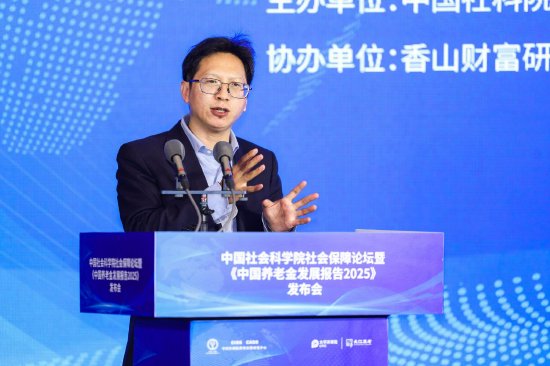
谢远涛:商保风险共担的核心思想包括市场化工具和再保安排两个关键词
Xin Lang Cai Jing· 2025-12-06 07:10
Core Viewpoint - The forum highlighted the importance of integrating commercial insurance into the second and third pillars of the pension system to achieve high-quality development and sustainability in pension financing [3][6]. Group 1: Commercial Insurance Perspective - The integration of long-term commercial pension insurance and decentralized risk management tools is essential for the effective connection of the second and third pillars of pensions [3][6]. - The development of the second and third pillars requires the expansion of market tools, emphasizing inclusivity and sustainability [3][6]. Group 2: Market Risk Considerations - The concept of risk-sharing is crucial, with a focus on market-oriented tools, particularly Interest Rate Swaps (IRS), which can align better with policy [3][6]. - Strengthening reinsurance arrangements is vital for three main reasons: ensuring stable supply-side support, better risk-sharing in pensions, and facilitating tax incentives through capital reserve reductions in the reinsurance sector [3][6].

新型政策性金融工具或已“箭在弦上”重点投向新兴产业
Zheng Quan Shi Bao· 2025-09-24 18:15
Core Viewpoint - The new policy financial tool, with an initial scale of 500 billion yuan, aims to support projects across eight key sectors, with a portion of the funds allocated specifically for private enterprises, indicating a strong governmental commitment to bolster the private economy [1][3]. Group 1: Financial Tool Characteristics - The new policy financial tool is characterized by its fiscal support nature, with funding potentially sourced from the central bank's pledged supplementary lending (PSL) at a low interest rate of 2%, and possibly even lower than 1% due to central government subsidies [2][3]. - This tool is designed to address the capital shortage in local projects, which has been a bottleneck for the effective use of special bonds [1][2]. Group 2: Investment Potential - The 500 billion yuan financial tool is expected to leverage investments up to 5 trillion yuan, significantly enhancing the funding available for various projects [2][3]. - The tool's implementation could lead to a broad expansion of credit, potentially increasing infrastructure investment growth by approximately 2 percentage points within the year [7]. Group 3: Focus Areas - The financial tool will prioritize eight sectors, including digital economy, artificial intelligence, low-altitude economy, consumer infrastructure, green and low-carbon transition, agriculture, transportation and logistics, and municipal and industrial parks [3][5]. - A specific allocation of 100 billion yuan is designated to support private enterprises, reflecting the government's commitment to fostering private sector growth [3]. Group 4: Implementation Timeline - The preparation for the new financial tool has progressed significantly, with project applications and local government initiatives underway, indicating a potential rollout in the third quarter [6][8]. - If launched in the third quarter, the tool could play a crucial role in stimulating economic growth amid a challenging economic environment [6][7].