平台经济合规管理

Search documents
国家税务总局:严禁平台转嫁涉税义务增加外卖、快递“小哥”等人员负担
Sou Hu Cai Jing· 2025-12-08 08:01
Core Insights - The implementation of the "Regulations on Tax Reporting for Internet Platform Enterprises" has led to significant improvements in tax compliance among platform operators, with a 12.7% year-on-year increase in tax payments in Q3 [2] - The regulations have effectively enhanced the orderliness of the platform economy by reducing fraudulent activities such as "fake orders" and addressing issues related to "shell platforms" and "invoice economies" [3] - Compliance management within the platform economy has been strengthened, with a 22% year-on-year increase in the amount of invoices obtained by small-scale taxpayers, indicating a shift towards more compliant business practices [4] Summary by Categories Tax Compliance - The majority of platform operators have completed tax declarations, resulting in a 12.7% increase in tax payments compared to the previous year, indicating improved tax compliance [2] Economic Order - The regulations have reduced fraudulent practices like "fake orders" and have diminished the presence of "shell platforms" that previously exploited tax incentives [3] Compliance Management - There has been a 22% increase in the amount of invoices obtained by small-scale taxpayers, reflecting a change in business practices towards compliance [4]

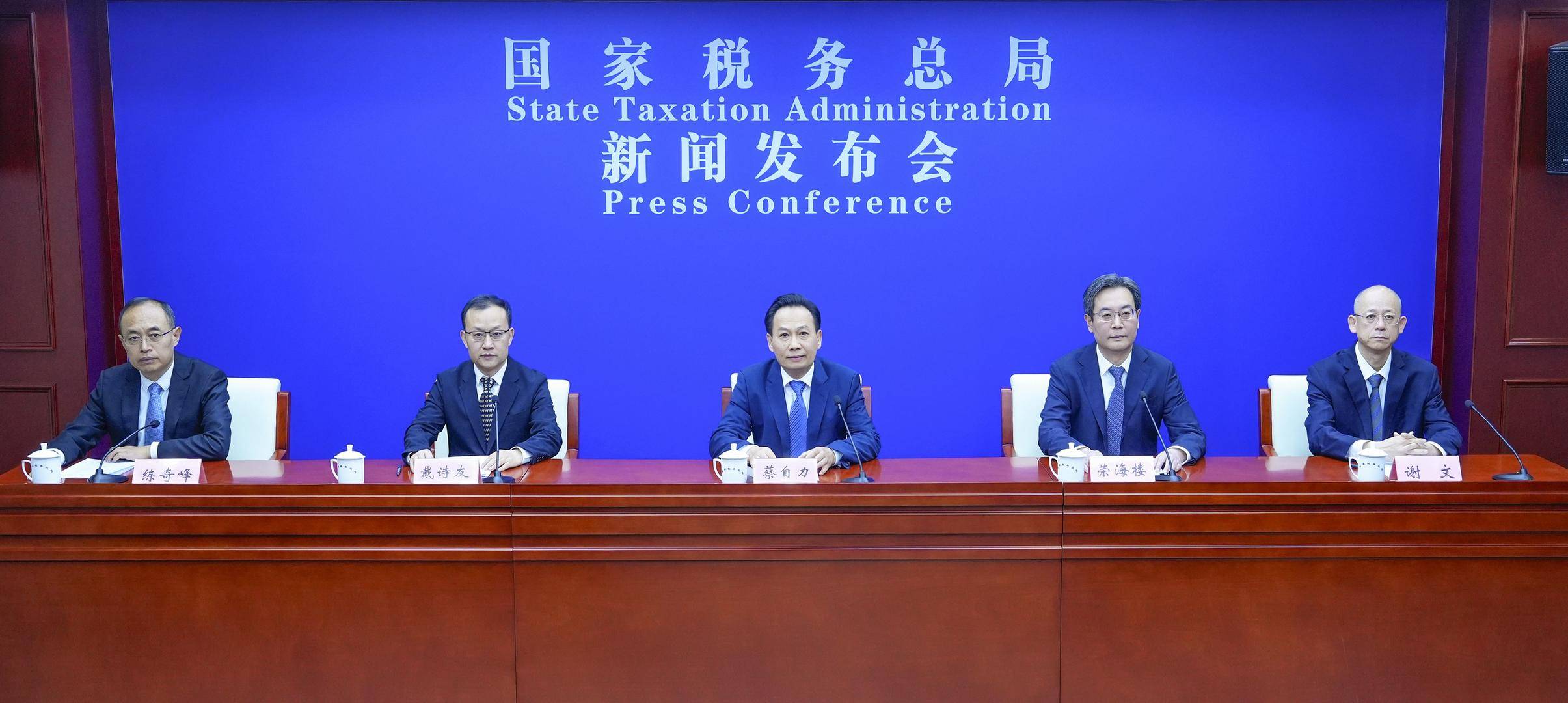
税务总局:超7000家平台报送涉税信息,“刷单”内卷行为减少
2 1 Shi Ji Jing Ji Bao Dao· 2025-12-08 05:40
Core Viewpoint - The implementation of the new tax reporting regulations for internet platform enterprises has led to significant improvements in tax compliance and a reduction in fraudulent practices such as "order brushing" [1][2][3][4] Group 1: Tax Compliance Improvement - Over 7,000 domestic and foreign platforms have actively fulfilled their tax reporting obligations, resulting in a notable increase in tax compliance among platform operators [1][2] - In the third quarter of this year, the majority of platform operators completed their tax declarations, with tax payments increasing by 12.7% year-on-year, narrowing the tax burden gap between online and offline merchants [2][3] Group 2: Enhanced Economic Order - The new regulations have reduced the prevalence of "order brushing" and other practices that artificially inflate performance metrics, leading to a more orderly platform economy [3] - The regulations have addressed the issue of "shell platforms" that previously exploited the system to inflate registered income, thereby decreasing the number of such platforms [3] Group 3: Strengthened Compliance Management - The implementation of the regulations has encouraged merchants to request invoices from suppliers, resulting in a 22% year-on-year increase in the amount of invoices obtained by small-scale taxpayers [4] - The regulations have facilitated the identification of previously hidden issues related to tax evasion, providing a solid foundation for compliance management and legal governance [4] - The tax authorities will continue to enforce the regulations and protect the rights of service workers in the platform economy [4]
周末重磅!市场监管总局发布!
证券时报· 2025-08-02 08:04
Core Viewpoint - The article discusses the implementation of the "Guidelines for Compliance of Charging Behavior of Online Trading Platforms," which aims to regulate the fees charged by online platforms to their operators, ensuring fair practices and reducing the financial burden on operators [1][3]. Summary by Sections Guidelines Overview - The guidelines were established to standardize the charging behavior of online trading platforms, protect the legitimate rights of operators, and promote sustainable development of the platform economy [5]. - The guidelines emphasize the need for platforms to lower the burden on operators and enhance compliance self-discipline [1]. Charging Principles - Platforms must adhere to principles of fairness, legality, and good faith when setting fees, considering the operational status of the operators [6]. - Platforms are encouraged to adopt flexible pricing strategies that benefit operators, especially small and medium-sized businesses [6]. Compliance Management - Platforms are required to establish compliance management responsibilities and organizations, ensuring that compliance is integrated into their internal systems [8][6]. - A risk identification and assessment mechanism for unreasonable charging behaviors must be established [8]. Fee Transparency - Platforms must publicly disclose their charging rules and agreements prominently on their homepage, ensuring operators can easily access this information [9][10]. - Any changes to charging rules must be publicly consulted, with a minimum consultation period of seven days [10]. Prohibited Practices - The guidelines prohibit practices such as double charging, charging without providing services, and forcing operators to purchase services [2][14]. - Platforms cannot charge operators for basic operational data or impose discriminatory pricing [2][14]. Reporting and Feedback - Operators can report excessive charges and must receive timely responses from platforms [13][15]. - Platforms are encouraged to create a culture of compliance and transparency, enhancing the awareness of legal and ethical charging practices among their staff [9]. Regulatory Compliance - Platforms must cooperate with regulatory authorities and provide necessary information during inspections [16]. - The guidelines serve as general directives, with specific regulations taking precedence where applicable [27].