
年会文化

Search documents
我拒绝了年会表演
投资界· 2026-02-25 09:14
Core Viewpoint - The article discusses the growing resistance among employees towards mandatory participation in company annual events, particularly performances, highlighting issues of personal freedom and workplace culture [3][4][5]. Group 1: Employee Experiences - A case from Shenzhen illustrates an employee being fired for refusing to perform at a company event, reflecting a broader trend of employees rejecting forced participation in such activities [3][4]. - Employees express anxiety and discomfort regarding mandatory performances, often feeling pressured by management to participate despite personal reservations [5][6]. - Various excuses are used by employees to avoid participation, indicating a widespread reluctance to engage in forced performances [5][6]. Group 2: Cultural Context - The tradition of annual gatherings in modern companies can be traced back to regional customs, such as the "Weiya" in Southeast China, which historically involved feasting and rewarding employees [6]. - Some companies have shifted away from traditional performance-based events to more casual gatherings, reflecting a change in workplace culture towards inclusivity and employee well-being [11]. Group 3: Legal Implications - Legal experts suggest that employees have the right to refuse participation in mandatory events unless explicitly stated in their contracts, indicating potential legal ramifications for companies that enforce such requirements [9][10]. - A notable case involved an employee who was wrongfully terminated for refusing to participate in an annual event, leading to a legal settlement that favored the employee [10]. Group 4: Changing Trends - There is a noticeable shift in how companies approach annual events, with many opting for less formal gatherings that prioritize employee comfort and engagement over traditional performance expectations [11]. - Despite these changes, some companies still cling to outdated practices, leading to employee dissatisfaction and reluctance to participate in mandatory activities [11][12].

年会消失了吗?
投资界· 2026-02-14 07:08
Core Viewpoint - The article discusses the decline of extravagant corporate year-end parties, highlighting a shift in company culture and economic conditions that have led to a more subdued approach to these events [4][10]. Group 1: Changes in Corporate Year-End Parties - In the past, year-end parties were significant events for companies, showcasing their status through lavish venues, high-value prizes, and large attendance [5][6]. - The percentage of companies holding large year-end parties dropped from 78% in 2019 to 42% in 2023, with projections indicating it could fall below 20% by 2025 [6][10]. - Companies are increasingly opting for smaller, less expensive gatherings, with some even replacing traditional parties with informal events at places like bathhouses [9][10]. Group 2: Economic and Cultural Factors - The economic environment has changed, prompting companies to reconsider the costs associated with extravagant year-end parties, which can exceed millions in budget [7][10]. - The shift in corporate culture reflects a move away from ostentation towards practicality, with companies like ByteDance exemplifying a minimalist approach to year-end celebrations [9][10]. - Employees' attitudes towards year-end parties have also evolved, with many expressing a lack of enthusiasm for events that require significant preparation and participation [8][10]. Group 3: Nostalgia and Future Outlook - There is a sense of nostalgia among employees for the past when year-end parties symbolized corporate success and optimism for the future [11]. - The decline of year-end parties may not signify a loss of corporate spirit but rather a transformation in how companies express their values and engage with employees [11].

尊重员工 “拒绝表演”的权利 让年会回归“随便玩玩”的初心
Xin Lang Cai Jing· 2026-02-06 00:22
Core Viewpoint - The annual company gatherings, originally intended to reward employees and foster team spirit, have increasingly become a source of pressure and dissatisfaction among workers, with some companies linking performance evaluations to participation in these events [1][2]. Group 1: Employee Sentiment - Employees express frustration over mandatory performances at annual meetings, which are perceived as a deviation from the original purpose of these gatherings [1][2]. - The trend of "complaining about annual meetings" has gained traction online, reflecting a growing discontent among workers regarding the formalization of these events [2]. Group 2: Company Practices - Many companies have transformed their annual meetings into lengthy, formal events that require significant preparation, which can be overwhelming for employees [2]. - The lack of genuine connection and shared experiences in these gatherings leads to a sense of disinterest, as many companies adopt generic templates for their events [2][3]. Group 3: Employee Rights and Participation - There is a growing discussion about whether companies should respect employees' rights to refuse participation in performances during annual meetings [2]. - The pressure to participate often comes in subtle forms rather than direct coercion, making it difficult for employees to assert their boundaries [3].
“马上”年会热,舞蹈培训忙
Xin Lang Cai Jing· 2026-02-05 20:14
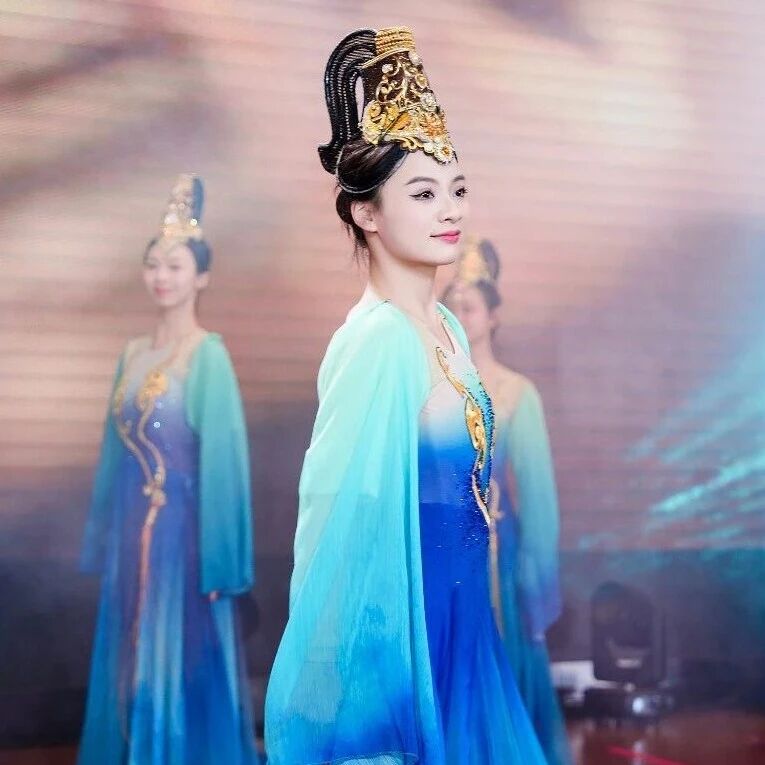
Group 1 - The core viewpoint of the articles highlights the booming demand for dance rehearsals in Changsha as companies prepare for their annual meetings, with a significant increase in orders for customized dance programs [1][2] - Dance studios are experiencing a surge in bookings, with clients needing to schedule rehearsals three days in advance, indicating a busy market despite the peak season having passed [1][2] - The popularity of dance programs is attributed to their ability to enhance the atmosphere of corporate events, with a focus on innovative and interactive performances that showcase team spirit [2] Group 2 - The rise in demand is also linked to the tailored and accelerated services offered by dance institutions, which cater to the needs of busy professionals with little to no dance experience, allowing them to complete a performance in just 3 to 6 sessions [2] - Ancient style dances and trending TikTok medleys dominate the market, accounting for over 70% of dance orders, reflecting current cultural trends and preferences [2] - The pricing for complete dance packages ranges from 3000 to 4000 yuan, which aligns well with the budgets of many small and medium-sized enterprises [2]