幽灵扣款

Search documents
中金支付“幽灵扣款”29.9元,你签“代扣协议”了吗?
阿尔法工场研究院· 2026-01-21 00:07
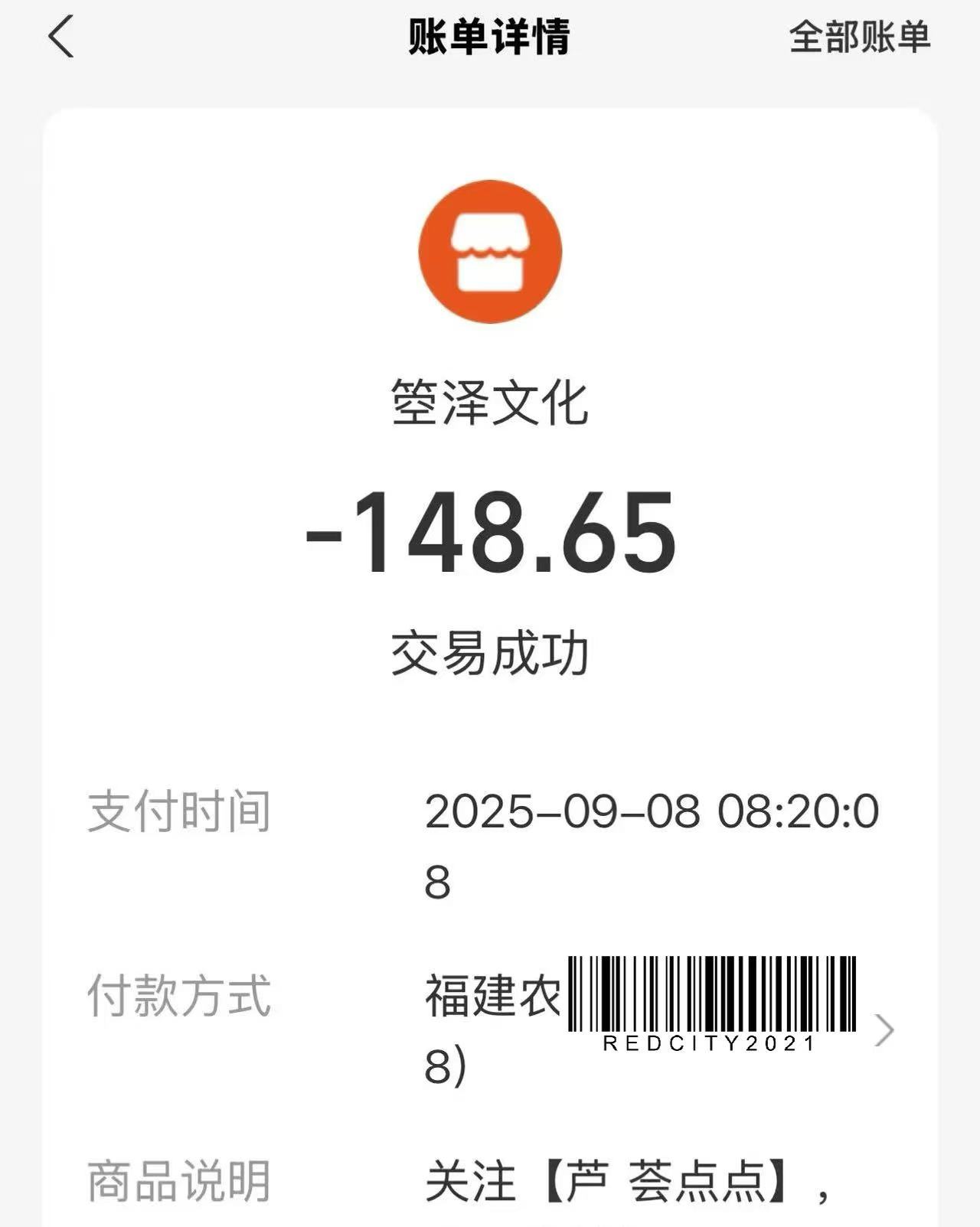
Core Viewpoint - The article discusses the issue of "ghost deductions" associated with Zhongjin Payment, highlighting consumer complaints about unauthorized recurring charges and the company's response to these issues [5][6][25]. Group 1: Incident Overview - Users have reported unexpected deductions of fixed amounts (29.9 yuan or 39.9 yuan) from their bank accounts, attributed to Zhongjin Payment, without clear explanations for the charges [6][10]. - Many consumers discovered these deductions only after checking their bank statements, raising concerns about the transparency of the payment process [9][12]. - The customer service responses varied, initially denying refunds until users threatened to escalate complaints, indicating a lack of proactive communication from the company [12][13]. Group 2: Mechanism of "Ghost Deductions" - The phenomenon of "ghost deductions" is linked to users unknowingly signing "deduction agreements," allowing merchants to withdraw funds without further user confirmation [16]. - Unlike one-time payments that require user action, these agreements enable merchants to initiate deductions automatically, which can lead to unauthorized charges [17]. - The China Consumers Association has pointed out that some businesses exploit loopholes in small payment systems to facilitate these unauthorized deductions [18]. Group 3: Company Background - Zhongjin Payment, established in 2010, is a licensed internet payment institution that primarily facilitates corporate payments and does not directly initiate deductions [20][22]. - The company has seen significant growth, with transaction volumes exceeding 400 billion yuan in 2013 and reaching a trillion yuan by 2016, ranking fifth in the industry [23]. - In 2023, the company was acquired by Guangdian Yuntong, which now holds 90.01% of its shares, indicating a shift in ownership and potential strategic direction [23][24]. Group 4: Regulatory Changes - New regulations were introduced in December 2025, requiring platforms to notify users of upcoming deductions clearly, which aims to eliminate unauthorized charges in the future [18].


别让老年人掉入数字消费陷阱
Jing Ji Ri Bao· 2025-12-04 00:14
Group 1 - The news highlights the issue of "ghost deductions," where elderly individuals are misled into automatic payments through deceptive pop-up ads promising rewards or benefits [1] - These deductions are often hidden behind complex authorization processes and vague prompts, making it difficult for users to cancel subscriptions or payments [1] - Users frequently struggle to find transaction records or contact customer service for refunds, as the deduction entities remain elusive [1] Group 2 - A call for stricter regulations on online platforms to ensure clear and straightforward consumer terms, holding platforms accountable for misleading advertising practices [2] - Payment platforms are urged to implement risk warning and intervention mechanisms for high-frequency, low-value transactions targeting elderly consumers [2] - Regulatory bodies are encouraged to utilize big data to monitor and identify high-risk applications and business models, establishing clear industry standards and penalties for non-compliance [2]
父母手机里的“幽灵扣款”:走路赚钱、免费会员、免密支付
Bei Ke Cai Jing· 2025-10-30 01:40
Core Points - The article highlights the issue of "ghost deductions" targeting the elderly, where they unknowingly authorize payments through misleading advertisements and pop-ups [2][3][28] - It emphasizes the lack of accountability and support for victims, as many face difficulties in filing complaints and obtaining refunds due to the elusive nature of the fraudsters [4][21][24] Group 1: Nature of the Fraud - The fraud often presents itself as enticing offers, such as "red envelopes" or "cash rewards," which lead to automatic deductions from the victims' accounts [3][15][28] - Victims, particularly the elderly, are misled into believing they are engaging in harmless activities, only to find their accounts debited without their consent [5][15][30] Group 2: Legal and Regulatory Concerns - Legal experts indicate that these practices violate multiple laws, including the Consumer Rights Protection Law and the Cybersecurity Law, highlighting the need for stricter enforcement [4][31][32] - The article discusses the responsibility of online platforms to monitor and manage the activities of merchants on their sites, suggesting that failure to do so could result in shared liability for fraudulent actions [33][34] Group 3: Recommendations for Prevention - Experts recommend that platforms implement robust monitoring systems to detect and block fraudulent activities, as well as establish clear complaint and refund processes for users [32][33] - There is a call for enhanced consumer education, particularly for the elderly, to help them recognize and avoid such scams [30][32]