广告审核

Search documents
为什么在Meta发布诈骗广告,比谷歌更容易?
3 6 Ke· 2025-11-17 04:32
Core Insights - Meta is projected to generate approximately 10% of its revenue in 2024, around $16 billion, from fraudulent and prohibited advertisements [1] - An internal report reveals that Meta has struggled for over three years to effectively identify and block a significant number of these ads, exposing billions of users across its platforms [1][2] - The report highlights that the financial implications of these fraudulent ads are substantial, with estimates indicating that one type of scam ad could generate $7 billion annually for Meta [3] Revenue Impact - Meta's internal documents estimate that about 15 billion ads flagged as "high-risk scam ads" are pushed to users daily [2] - The internal risk management team is restricted from taking actions that would result in a revenue loss exceeding 0.15% of total revenue, equating to approximately $135 million [7][8] - The prioritization of revenue over stringent ad regulation has led to a situation where scam ads remain a significant source of income for Meta [10] Comparison with Competitors - Meta's ad system is more permissive compared to Google's, where the latter has implemented stricter preemptive measures against fraudulent ads [25][26] - Google has removed approximately 4.15 billion ads for suspected fraud in 2024, demonstrating a more aggressive stance on ad regulation [25] - The contrasting approaches highlight a difference in risk tolerance, with Meta allowing scam ads to operate for extended periods, resulting in a larger scale of fraudulent activity [28] User Trust and Advertising Costs - The prevalence of scam ads on Meta's platforms has increased trust costs for legitimate brands, requiring them to invest more in proving their credibility [30] - The presence of fraudulent ads has inflated advertising costs, as scammers can afford to bid higher due to the high returns on their schemes [33] - Users, particularly vulnerable demographics, are at greater risk of falling victim to scams due to the algorithm's tendency to target those more easily influenced [36] System Design and Regulatory Challenges - The design of Meta's advertising system has prioritized metrics like ROI, CTR, and CVR, often at the expense of user safety [37][39] - The current regulatory framework tends to react post-incident rather than proactively addressing how advertising systems should be designed to prevent fraud [41][42] - The need for a reevaluation of compliance standards and the balance between high conversion rates and user safety is critical for restoring trust in the platform [42]

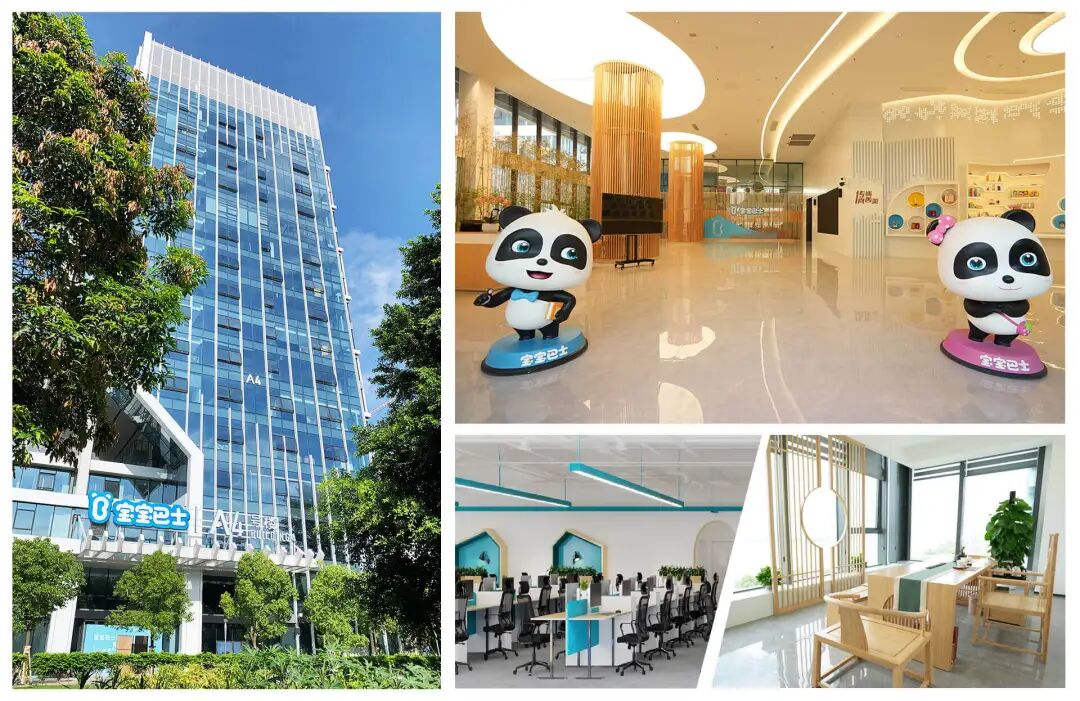
儿歌APP被指推送低俗成人广告,客服此前称“审核难免存在疏漏”,宝宝巴士最新回应:系第三方平台接入,已全部下线
Mei Ri Jing Ji Xin Wen· 2025-10-29 03:10
Core Viewpoint - Recent concerns have arisen regarding inappropriate advertisements appearing on the "BabyBus Nursery Rhymes" app, which are unsuitable for children, leading to parental worries about the potential negative influence on young users [1][2]. Group 1: Company Response - BabyBus has acknowledged the issue of inappropriate advertisements and is taking the matter seriously, initiating self-inspection and corrective actions [2]. - The company has removed all problematic advertisements from the platform and is enhancing the review and blocking mechanisms for advertisers [2]. - BabyBus has developed a forced interception feature to block ads from advertisers that cannot be monitored by the advertising platform [2]. Group 2: Legal Implications - The release of low-quality advertisements may violate the Advertising Law of the People's Republic of China, which prohibits content that is obscene or pornographic [2]. - The law mandates that advertising operators and publishers establish a sound advertising review system to verify the content of advertisements [2]. - Legal experts suggest that consumers can report such violations to the advertising platform or market supervision authorities for action [2]. Group 3: Company Overview - BabyBus is a brand focused on children's educational digital products, serving over 700 million families globally [3]. - The company has launched more than 200 apps, 4,500 children's songs, and 16,000 episodes of traditional culture stories, available in over 160 countries and regions in 12 languages [3].