应对不确定性环境

Search documents
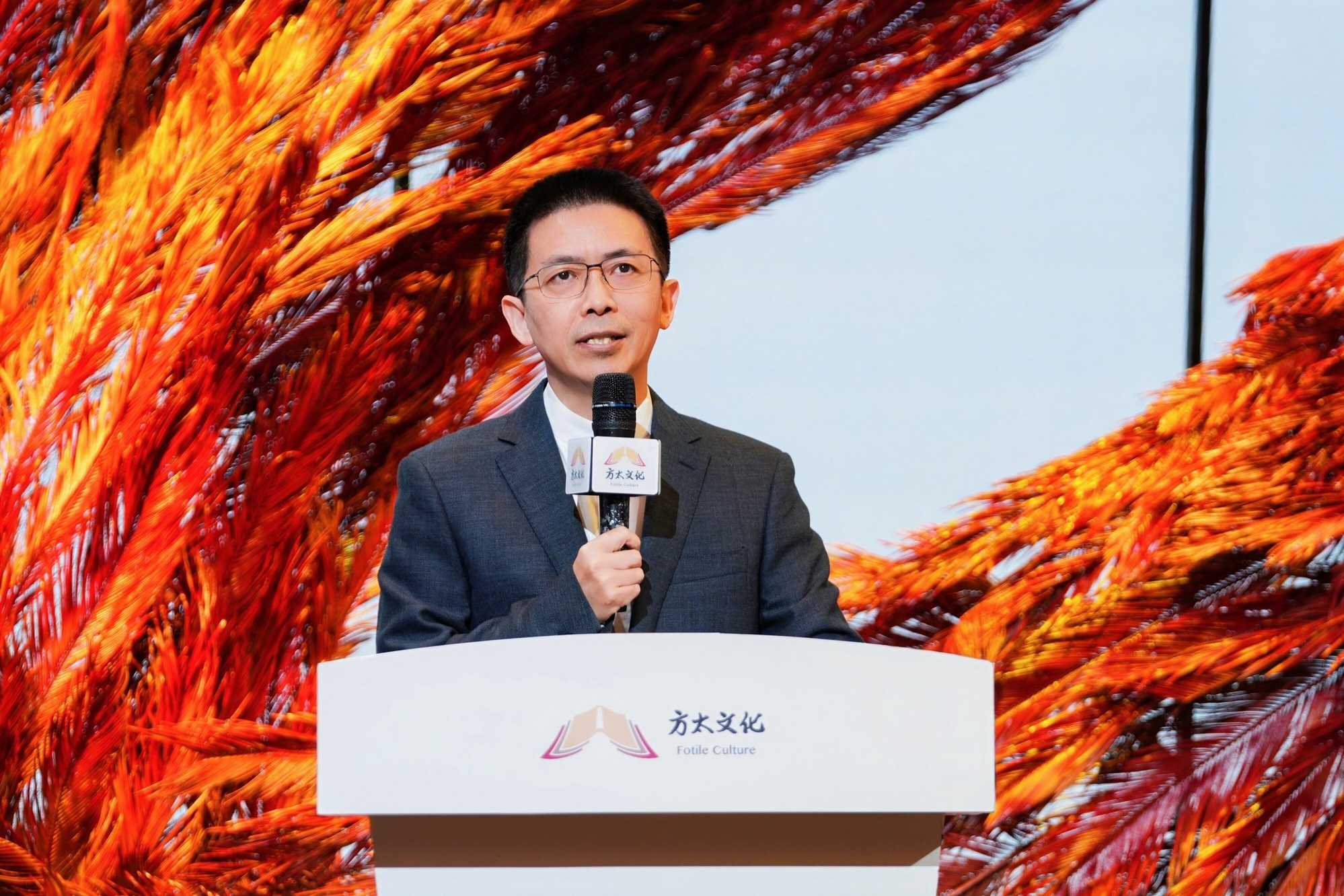
2025第四届方太文化论坛 · 茅忠群分享:企业为什么要落地中华优秀传统文化
Sou Hu Wang· 2025-12-16 05:48
Core Viewpoint - The importance of integrating Chinese traditional culture into modern enterprise management is emphasized as a necessity for sustainable development and high-quality growth in Chinese companies [1][15]. Group 1: High-Quality Development - High-quality development is essential for modern Chinese enterprises, which relies on the wisdom and principles of Chinese traditional culture [3]. - A high-level cultural philosophy is crucial for guiding management behavior and achieving desired outcomes [3]. - Effective management requires a balance of moral governance and legal frameworks, which traditional culture can provide [3][4]. Group 2: Responding to Uncertainty - Companies must draw on traditional culture to navigate increasing macroeconomic uncertainties [5]. - Understanding the unchanging principles amidst change is vital for long-term sustainability [6]. - Risk management and core competitiveness are essential for maintaining a strong position in uncertain environments [7]. Group 3: Entrepreneurial Happiness - Entrepreneurs often face significant stress and challenges, leading to lower happiness indices compared to other groups [8]. - Achieving balance in career, family, and personal development is essential for a fulfilling life, which can be supported by traditional culture [10][11]. Group 4: Social Responsibility - Companies should actively engage in social responsibility, which is rooted in understanding and overcoming personal desires [12][14]. - Traditional culture emphasizes the importance of community and familial relationships, which can guide corporate social responsibility efforts [13]. Group 5: National Revival - The integration of traditional culture into enterprises supports the broader goal of national rejuvenation and cultural confidence [15][16]. - Policies encouraging the incorporation of traditional cultural values into business practices are being promoted by the government [16].