
开源增量

Search documents
汽车厂家瞄准天空和家庭
Zhong Guo Zhi Liang Xin Wen Wang· 2025-11-20 03:35
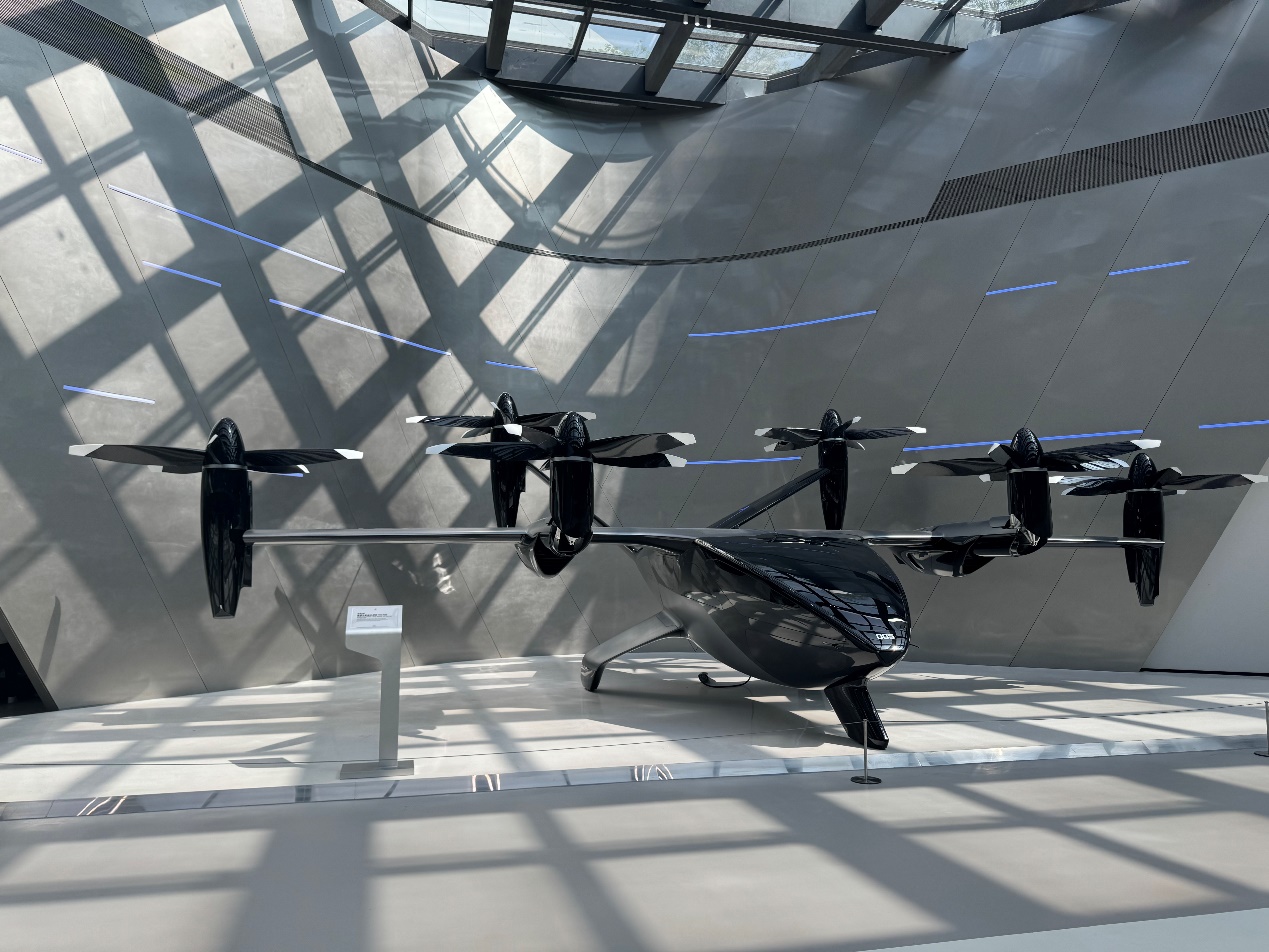
Core Viewpoint - The automotive industry is shifting its focus from traditional vehicles to innovative technologies such as flying cars and humanoid robots, indicating a transformation towards a broader concept of mobility and smart living [1][4][12] Group 1: Industry Trends - Major Chinese automotive companies like XPeng, Changan, and GAC Group are increasingly interested in flying cars and humanoid robots, showcasing their technological advancements at events like the Guangzhou International Auto Show [2][4] - The annual sales of passenger vehicles in China have stabilized, prompting companies to explore new avenues beyond traditional car manufacturing to sustain growth and profitability [4][5] Group 2: Technological Advancements - The core competencies of "new energy" vehicles, such as advanced driver assistance systems and high-performance batteries, are being leveraged to develop flying cars and humanoid robots, creating a synergistic effect [5][6][8] - Chinese companies are leading in AI technology for automotive applications, which can be directly applied to flying vehicles and robots, enhancing their capabilities in perception, decision-making, and control [6][8] Group 3: Market Opportunities - The transition to flying cars and humanoid robots is seen as a way for automotive companies to escape the limitations of traditional vehicle manufacturing and create new value in smart mobility [4][11] - The introduction of flying cars is expected to alleviate ground traffic congestion and reduce commuting times, while humanoid robots may become essential household items, especially in aging societies [11][12] Group 4: Consumer Experience - Automotive companies are not just manufacturing vehicles but are evolving into providers of AI-driven mobility solutions, enhancing consumer experiences through innovative products that integrate into daily life [8][12] - The development of new vehicle types and technologies is aimed at meeting diverse consumer needs, thereby expanding market segments and strengthening brand influence [8][11]

广州车展 | 汽车厂家瞄准天空和家庭
Zhong Guo Zhi Liang Xin Wen Wang· 2025-11-20 03:31
Core Insights - The automotive industry is shifting focus from traditional vehicles to advanced technologies such as flying cars and humanoid robots, indicating a transformation from a "car exhibition" to a "future transportation exhibition" [1][2] - Major Chinese automotive companies like XPeng, Changan, and GAC Group are actively exploring flying car technologies and humanoid robots, showcasing a trend towards diversification and innovation in the sector [2][4] Industry Trends - The Chinese passenger car market has stabilized, with annual sales remaining above 30 million units for 16 consecutive years, and new energy vehicles (NEVs) accounting for 40.9% of total new car sales in 2024 [5] - The push for innovation is driven by the need to escape the unsustainable "involution" competition in the automotive sector, prompting companies to explore new avenues such as air mobility and home integration [4][8] Technological Advancements - The core competencies of NEVs, including advanced driver-assistance systems, high-performance batteries, and AI algorithms, are being leveraged to develop flying cars and humanoid robots, creating a synergistic effect [5][6] - Chinese companies are leading in AI model development for autonomous driving, which can be adapted for use in flying vehicles and robots, enhancing their capabilities [6][8] Consumer Impact - The introduction of flying cars is expected to alleviate ground traffic congestion and significantly reduce commuting times, while humanoid robots may serve various functions in households and industries, addressing labor shortages in an aging society [12][13] - Automotive companies are not merely transitioning to new products but are elevating their business models to offer integrated AI-driven mobility solutions, enhancing consumer experiences and brand value [9][13] Market Dynamics - The automotive sector is witnessing a shift towards personalized consumer experiences, with new brands targeting specific demographics and needs, thereby creating new market segments [9] - The integration of flying cars and robots into the automotive ecosystem is seen as a way to enhance traditional automotive offerings while expanding into new markets such as healthcare and education [12][13]




