强农惠农政策

Search documents
安徽省提前下达明年农业相关转移支付资金132亿元
Xin Lang Cai Jing· 2025-12-25 01:00
Core Insights - Anhui Province has allocated 13.2 billion yuan in advance for agricultural transfer payments for 2026, aimed at implementing strong agricultural policies, protecting ecological resources, supporting spring farming preparations, and promoting industrial integration [1][2] Group 1: Agricultural Support Measures - A total of 8.45 billion yuan is designated for subsidies related to farmland quality protection and rice production, encouraging various agricultural entities to enhance grain production quality [1] - 310 million yuan is allocated for ecological resource protection and animal disease prevention, focusing on aquatic life replenishment, straw utilization, and mandatory immunization of livestock [1] - 640 million yuan is provided for grain and oil production support, facilitating the cultivation of key crops through advanced agricultural practices [1] Group 2: Industrial Development and Capacity Building - 2.75 billion yuan is allocated for agricultural industry development and enhancing the capabilities of agricultural operators, supporting the construction of national modern industrial parks and strong agricultural towns [2] - Funding is directed towards the purchase of advanced agricultural machinery to promote high-quality development in agricultural equipment [2] - The initiative aims to improve grain yield and establish mechanisms that connect farmers with agricultural production organizations, ensuring stable income growth for farmers [2]


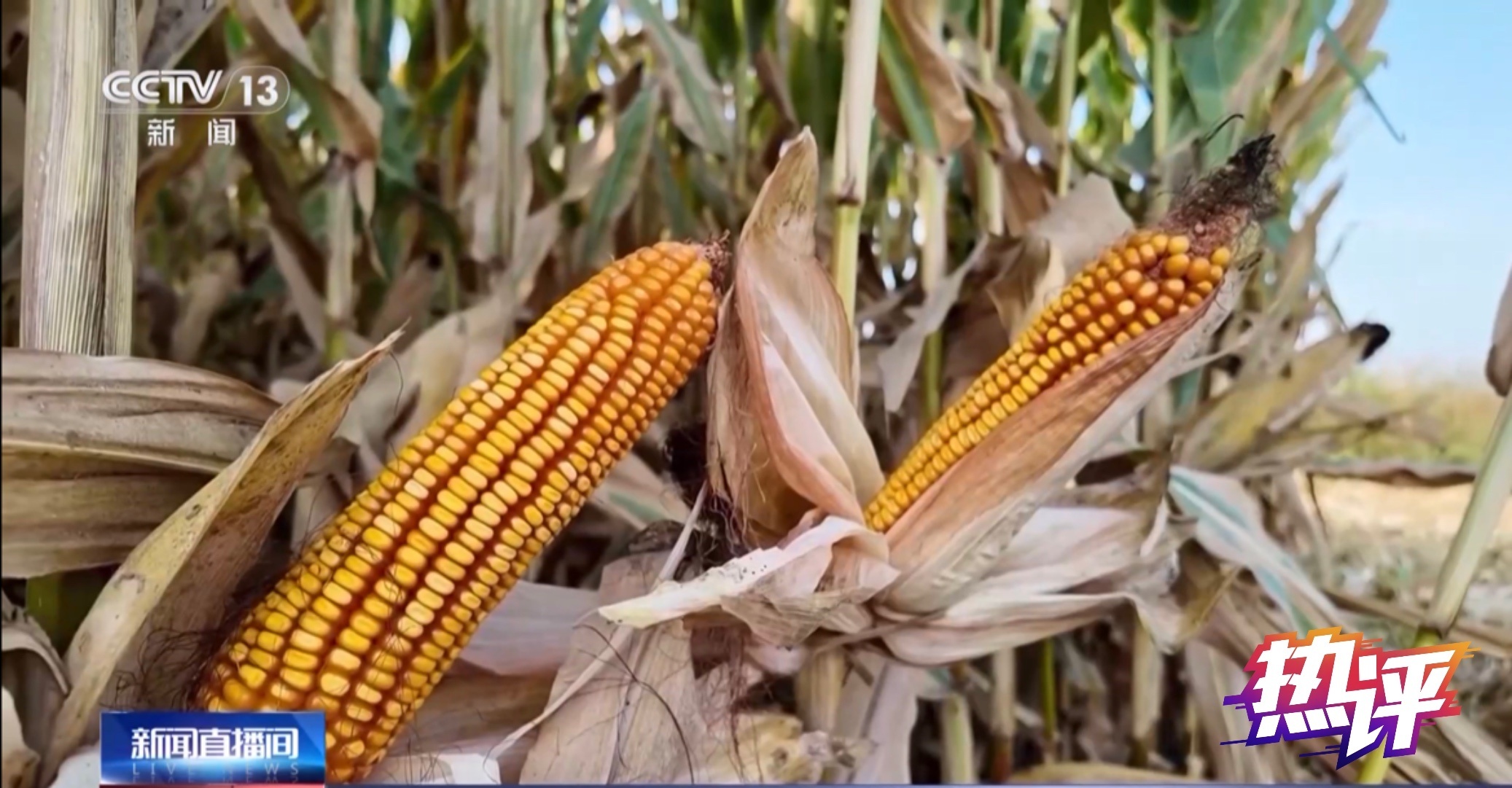
热评丨玉米成为今年粮食增产“尖子生”的背后
Yang Shi Xin Wen· 2025-12-14 06:07
Core Insights - China's total grain production for the year has reached 14,298 billion jin, marking a record high and significant increase in output [1] - The increase in corn production is attributed to a 0.5% rise in planting area and a 1.6% increase in yield, resulting in a total corn output of 6,024.7 billion jin, an increase of 126.4 billion jin from the previous year [1] - The demand for corn has surged due to rising living standards and dietary upgrades, leading to increased consumption of meat, eggs, and milk, which rely heavily on corn as feed [1] Production Growth and Historical Context - Historical data shows that each increase of 1,000 billion jin in grain production has been challenging, with the latest milestone of 1.4 trillion jin taking nine years to achieve [3] - Given China's limited arable land, enhancing per-acre yield has become a necessary strategy for increasing grain production [3] Technological Advancements - Significant potential exists for increasing corn yield, with current average yields in China at over 400 kg per mu compared to over 700 kg in the U.S. [5] - The introduction of "high-density planting precision control technology" in Xinjiang has led to average yields exceeding 1,200 kg per mu, showcasing the effectiveness of improved planting techniques [5] - This technology is being promoted across major production areas, with plans to expand to nearly 10 million mu by 2025 [5] Policy Support and Stability - The government has implemented policies such as minimum purchase prices for rice and wheat, and subsidies for corn and soybean producers, which have stabilized farmers' income expectations [6] - The expansion of insurance coverage for production costs and income, along with support for major grain-producing counties, reflects the government's commitment to strengthening the grain production support system [6] - Timely financial support for disaster relief measures has helped mitigate losses and ensure grain harvests, enhancing the resilience of China's grain production [6] Conclusion - The consistent annual harvests are a result of strategic planning and policy support at the national level, combined with technological advancements and hard work in the fields [8] - The focus on sustaining future food security and preparing for unforeseen risks underscores the importance of maintaining stable grain production [8]