强冷空气

Search documents
降温达14℃、9~10阵风!新一股强冷空气来袭,这些地方将迎暴雪
Xin Lang Cai Jing· 2026-02-19 09:40
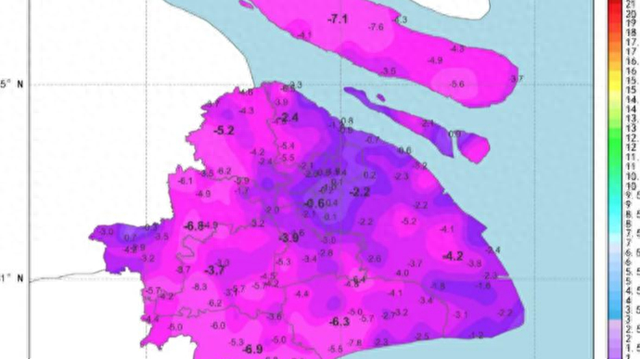
Group 1 - The core viewpoint of the article highlights the impact of a strong cold air mass affecting northern regions of China from the night of February 19 to February 22, leading to significant temperature drops and adverse weather conditions [2][6] Group 2 - Northern regions will experience temperature drops of up to 14°C due to the strong cold air mass [2][3] - Wind speeds in areas such as Jianghuai and northward will reach 5-6 levels, with gusts of 7-8 levels, accompanied by temperature drops of 6-8°C [3] - In parts of Xinjiang and Inner Mongolia, wind speeds may reach 7-8 levels, with gusts up to 9-10 levels, and temperature drops of 14°C [3] - Dust storms are expected in the northwest, with some areas experiencing severe dust storms [3] Group 3 - From February 22, a large-scale rainfall event is anticipated from Huanghuai to Jiangnan [6] - Increased snowfall is reported in northern Xinjiang, with some areas experiencing moderate to heavy snow, and localized blizzards [4][6] - Public is advised to pay attention to weather forecasts and warnings, and to plan travel accordingly for safety [6]

受强冷空气影响 广东北部山区一景区出现雾凇
Jin Rong Jie· 2026-01-21 05:06
Core Viewpoint - The article highlights the impact of a strong cold air mass on the temperature in Qingyuan City, Guangdong Province, leading to a significant drop in temperatures and the initiation of a frost emergency response [1] Group 1: Weather Impact - The temperature in Qingyuan City has dropped to between 2°C and 7°C due to the influence of strong cold air [1] - High-altitude areas in the northern part of the city may experience freezing rain and minor road icing [1] Group 2: Emergency Response - On January 21 at 8:30 AM, Qingyuan's Flood, Drought, Wind, and Frost Prevention Command decided to activate a Level IV frost emergency response [1] - Qingyuan is currently the only city in Guangdong Province to initiate a frost emergency response [1]
强冷空气来袭 全市大部日平均气温低于10℃
Xin Lang Cai Jing· 2026-01-20 21:55
Core Viewpoint - The article discusses the impact of a strong cold air mass on Nanning's weather, leading to significant temperature drops and potential adverse effects on agriculture and energy supply [1] Weather Impact - From January 21 to 23, the average daily temperature in most parts of Nanning is expected to be below 10°C, with certain areas like Mashan, Shanglin, and Binyang dropping below 8°C [1] - In high-altitude regions such as Daming Mountain, the minimum temperature may fall to -3°C, resulting in frost, freezing rain, and icy roads [1] Temperature Forecast - The forecast indicates overcast skies with light rain from January 21 to 22, with minimum temperatures ranging from 5°C to 8°C and maximum temperatures between 8°C and 10°C [1] - On January 23, the weather will transition to cloudy with minimum temperatures of 6°C to 8°C and maximum temperatures of 13°C to 14°C [1] Subsequent Weather Changes - After January 23, temperatures are expected to gradually rise, with a return of humid weather starting January 24, which may include fog and damp conditions [1] - From January 24 to 26, the forecast predicts cloudy skies with minimum temperatures between 10°C and 11°C and maximum temperatures ranging from 17°C to 20°C [1] Energy and Agricultural Considerations - The meteorological department advises that the low temperatures will increase energy demand, necessitating effective energy supply management [1] - The cold weather is likely to adversely affect cold-sensitive crops, poultry, livestock, and aquaculture, highlighting the need for cold protection measures [1]
北京今天最高气温仅-7.2℃,创今冬新低,今年“四九”为何这么冷?气象部门解读
Bei Jing Qing Nian Bao· 2026-01-19 12:59
Group 1 - The lowest temperature recorded in Beijing this winter reached -11°C, marking the second lowest since the winter of 2025, with the lowest being -11.4°C on January 2 [1] - The highest temperature recorded today was -7.2°C, which is a new low for this winter, dropping over 3°C from the previous high of -3.8°C on January 18 [1] - The current cold wave is attributed to a strong cold air mass affecting Beijing, with minimal cloud cover at night leading to significant radiative cooling [1][2] Group 2 - Historical data shows that extreme low temperatures in January are common in Beijing, with the lowest recorded at -19.6°C on January 7, 2021 [2] - The average temperature during the "Three Nines" period (January 8-16) this year was -1.6°C, which is significantly warmer than the historical average of -2.8°C [2] - The "Four Nines" period (January 17-25) is expected to be colder than the historical average of -2.6°C due to the ongoing cold air influence [2][3] Group 3 - The Beijing Climate Center indicates that the coldest temperatures typically occur around mid-January, with a gradual warming trend expected by late January [3] - By February, during the "Seven Nines" period, the average temperature is projected to rise to approximately 0.9°C, indicating a warming trend [3] Group 4 - The Summer Palace ice rink will reopen on January 20, 2026, after being closed due to snowfall [4][6] - Over 200 staff members have been working for more than 40 hours to clear snow from the ice rink, achieving 60% of the necessary cleanup [4]

强冷空气影响上海 家长备衣带伞接孩子放学
Xin Lang Cai Jing· 2026-01-19 11:00
Core Viewpoint - A strong cold air mass is affecting Shanghai, leading to a significant drop in temperature and precipitation, prompting parents to prepare warm clothing and rain gear for their children after school [4][5]. Weather Impact - The temperature in Shanghai is expected to drop to between 5°C and 9°C, with a wind chill making it feel colder [25]. - There will be a transition to light rain mixed with snow or light snow before midnight, with potential for minor snow accumulation and icy road conditions [25]. - From Tuesday to Thursday, the city will experience three days of sustained low temperatures, with highs between 3°C and 5°C [25]. - The coldest temperatures are forecasted for Thursday morning, with urban areas around -1°C and suburban areas between -6°C and -3°C, leading to freezing conditions [25]. - After Thursday, the weather is expected to clear up, with temperatures gradually rising [25].

下周广西将有一次强冷空气过程
Guang Xi Ri Bao· 2026-01-18 03:26
Core Viewpoint - The article discusses the expected impact of a strong cold air mass on Guangxi from January 19 to 22, leading to significant temperature drops, rainfall, and strong winds across the region [1] Weather Impact - A cold wave is anticipated, with temperatures in northern Guangxi dropping by 10°C to 14°C, and in some areas exceeding 16°C [1] - Southern Guangxi is expected to experience temperature drops of 8°C to 11°C [1] - The lowest temperatures are projected to occur on the mornings of January 22 in northern Guangxi and January 23 in southern Guangxi, with high mountainous areas seeing temperatures between -7°C and -1°C [1] Precipitation and Wind Conditions - Northern Guangxi will have overcast skies with light rain and localized moderate rain, while southern regions will be mostly cloudy to overcast with scattered light rain [1] - Some areas in northern Guangxi may experience freezing rain, sleet, snow, and road icing [1] - Strong winds are expected to persist until January 22, with gusts reaching 7 to 8 levels [1] Public Advisory - Prior to January 19, attention is needed regarding low visibility conditions affecting travel and maritime transport in southern Guangxi and the Beibu Gulf [1] - After January 19, the public should be aware of the adverse effects of the cold wave on urban operations, transportation, energy supply, and agricultural production, and take precautions such as dressing warmly and ensuring safety when using heating methods [1]
强冷空气将至 山东发布多个预警
Xin Hua Wang· 2026-01-16 08:48
Core Viewpoint - Shandong Province is expected to experience a significant cold wave, rain, snow, and strong winds starting from the night of January 17, leading to various weather warnings being issued [1][2] Weather Warnings - Shandong has issued a blue snow warning, an orange road icing warning, a yellow cold wave warning, a yellow low-temperature warning, and a yellow sea wind warning [1] - The weather is influenced by strong cold air and warm moist air [1] Temperature Changes - From January 16, temperatures in Shandong are expected to drop continuously, with a decrease of 10°C to 12°C, and some areas exceeding 14°C [1] - By the morning of January 20, minimum temperatures in the northwest and central mountainous areas are projected to be between -16°C and -14°C, with some areas dropping below -18°C [1] - Coastal areas are expected to see minimum temperatures between -8°C and -6°C, while other regions will range from -10°C to -8°C [1] - From January 21 to 25, many areas in Shandong will continue to experience temperatures below -12°C [1] Precipitation and Snow Accumulation - From the night of January 17 to the night of January 19, a wide range of rain and snow is expected, with average precipitation between 8mm and 15mm and snow depth ranging from 3cm to 8cm, potentially exceeding 12cm in some areas [1][2] - Specific regions will experience varying types of precipitation, including light snow, rain mixed with snow, and heavy snow [2] Impact on Agriculture and Transportation - The rain and snow are expected to improve soil moisture and reduce forest fire risk, but the accumulation of snow and road icing will adversely affect transportation, urban operations, and agricultural facilities [2] - The prolonged low temperatures will significantly impact energy supply, human health, and agricultural production [2] - The strong north winds will also negatively affect maritime transportation and coastal aquaculture, necessitating enhanced precautions [2]
中东部多地将现冷暖大逆转 明起雨雪天气逐渐增多
Yang Shi Wang· 2026-01-15 01:28
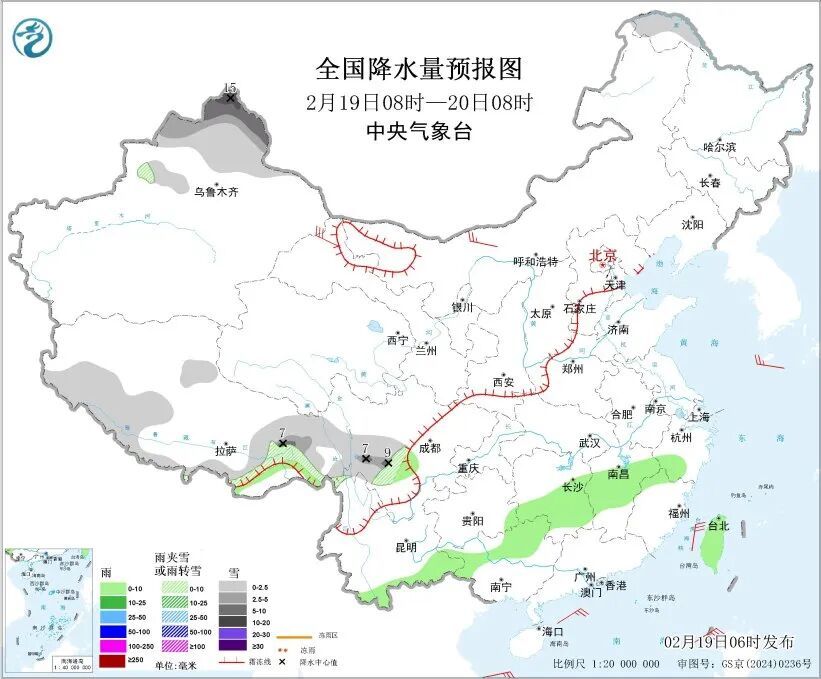
Core Viewpoint - The weather in most parts of China is currently dry and sunny, but starting tomorrow, precipitation will increase in the central and eastern regions, followed by a significant drop in temperature due to a strong cold front arriving on the 17th [1][6][7]. Weather Conditions - Most of the country is experiencing dry and sunny weather, with scattered light snow in regions like Xinjiang and Inner Mongolia [2][3]. - The central meteorological observatory predicts light to moderate snow or sleet in several areas, including parts of Xinjiang and Inner Mongolia, with some regions expecting heavy snow [2][5]. - The warm weather is notable, with cities like Hefei and Nanjing breaking mid-January temperature records, reaching over 20°C [7]. Upcoming Weather Changes - From the 18th, the interaction of cold and warm air will lead to increased rain and snow in the central and eastern regions, with potential rain-snow transitions along the Yangtze River [6]. - A strong cold front will sweep across the country from the 17th to the 20th, causing significant temperature drops, with some areas experiencing a decrease of up to 20°C [7]. - The upcoming weather changes will lead to a stark contrast between the recent warmth and the expected cold, impacting public health and travel conditions [6][7].
“三九”暖如春!全国大部开启大回暖模式,长江沿线将冲击20℃
Bei Jing Ri Bao Ke Hu Duan· 2026-01-12 05:22
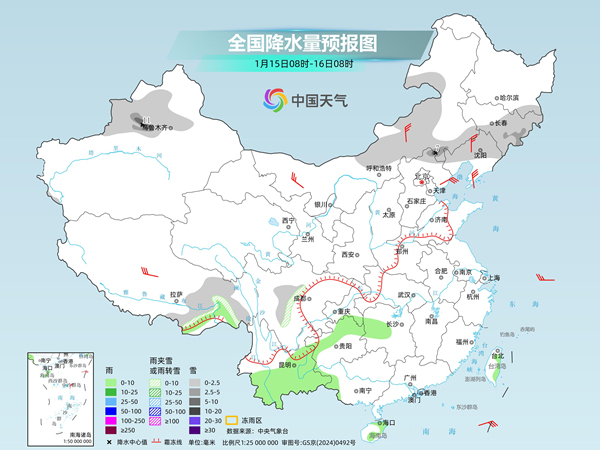
Core Viewpoint - The recent cold wave has affected many regions in China, but temperatures are expected to rise significantly above normal levels in the coming days, particularly along the Yangtze River where highs may reach 20°C during the "Three Nines" period [1]. Temperature Trends - The cold air mass has caused temperatures to drop to recent lows from January 10 to 11, with many northern areas experiencing temperatures below freezing [1]. - Despite the active cold air, the intensity is weak, leading to a general warming trend across most regions, especially in Northwest, North China, Huanghuai, Jianghuai, Jiangnan, and South China, where temperatures may exceed normal levels by more than 10°C [1]. - The highest temperatures are expected between January 14 and 16, with areas in South North China and Huanghuai reaching around 15°C, and the Yangtze River region possibly exceeding 20°C [1]. Local Records - In major cities, Hefei is forecasted to reach a high of 20°C on January 16, potentially breaking the local record for mid-January warmth [3]. - Hangzhou is expected to have three consecutive days with highs of 20°C or above from January 14 to 16, while Changsha may see highs of 22°C on January 14 and 16 [3]. Temperature Variability - Although daytime temperatures are rising significantly, nighttime temperatures are expected to remain low due to a lack of cloud cover, leading to a substantial diurnal temperature range of 10°C to over 15°C [3]. - Public is advised to dress in layers to cope with the significant temperature fluctuations [3]. Future Weather Outlook - A strong cold air mass is anticipated to arrive on January 17, bringing noticeable cooling to the Northwest and much of Central and Eastern China, with average temperatures expected to shift from above normal to below normal by late January [3].
7.4℃,冻得发紫!上海多区发布低温、霜冻预警,东北网友:酒店像冰窖
Xin Lang Cai Jing· 2026-01-03 12:01
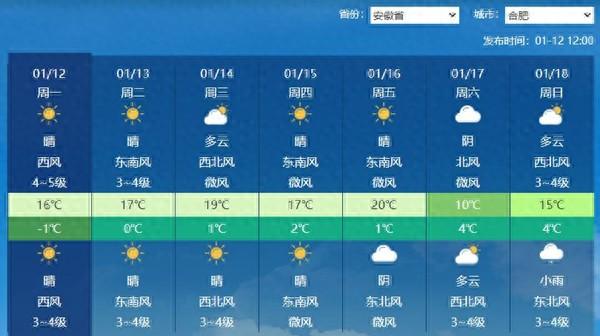
Core Points - Shanghai experienced its first "ice point day" of the winter, with temperatures dropping to -7.4°C, leading to widespread frost and low-temperature warnings across multiple districts [18][20] - The cold weather has affected not only tourists but also local agriculture, with reports of frost damage to outdoor crops and even freezing of cosmetic products like makeup remover [7][9] - Residents have reported significant impacts from the cold, including ice formation on vehicles and water containers, indicating severe weather conditions [11][13] Summary by Category - **Weather Conditions** - A strong cold front has led to temperatures in areas like Chongming and Jinshan dropping below -7°C, with the lowest recorded at -7.4°C in Chongming [18] - Multiple districts issued yellow warnings for low temperatures and frost, indicating the severity of the weather [18] - **Impact on Agriculture** - Outdoor crops, particularly leafy vegetables, have suffered frost damage, with reports of ice forming on the leaves [9] - The cold has also affected local water supplies, with water in outdoor containers freezing [13] - **Public Reaction** - Tourists and residents expressed discomfort with the cold, with comments highlighting the extreme conditions in hotels and public spaces [5][20] - Social media reactions reflect a sense of helplessness among residents facing the harsh weather [5]