强化营养

Search documents
每周质量报告丨高价“功能蛋”蛋白质含量不如普通蛋?专家:按需选择
Yang Shi Xin Wen· 2025-12-07 08:33
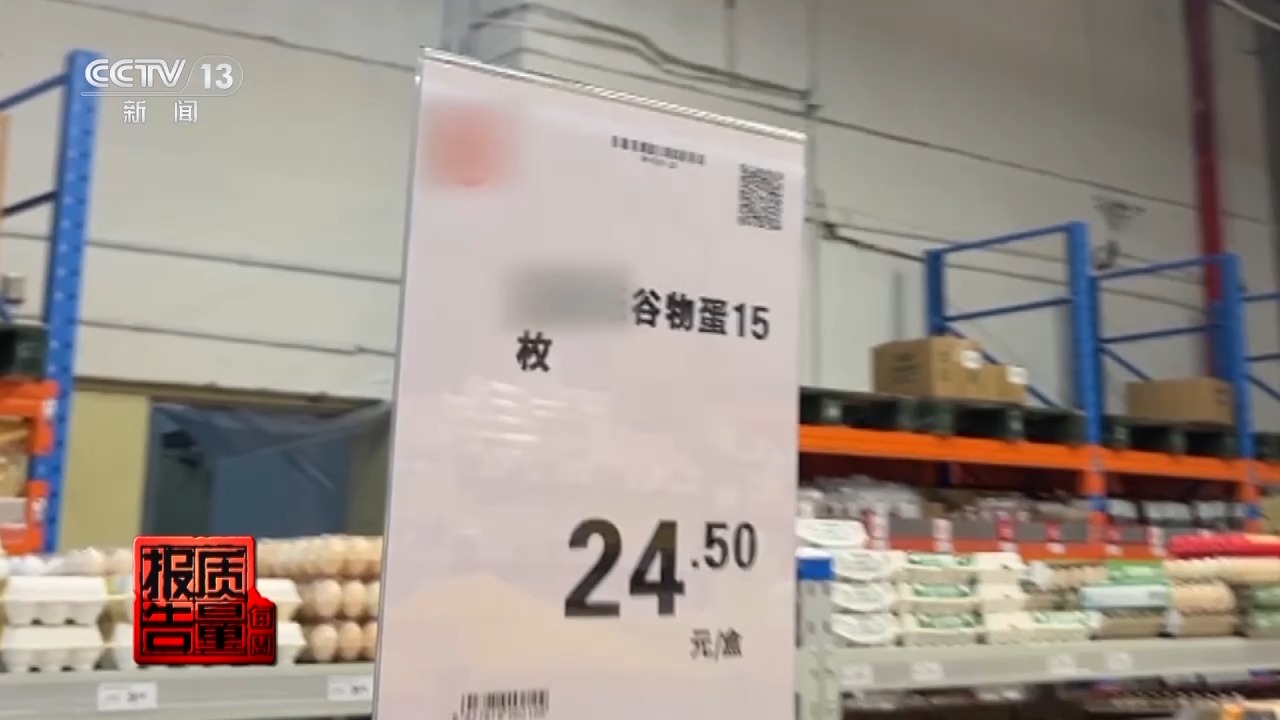
Core Viewpoint - The Shanghai Consumer Protection Committee conducted a comparative study on 30 types of eggs, revealing that there is no significant nutritional difference among eggs of varying price points, despite the marketing claims of enhanced nutritional value for higher-priced eggs [4][8][65]. Group 1: Price Comparison - The price of the sampled eggs ranged from 3.7 yuan to 50.2 yuan per jin, with a price difference exceeding 13.5 times [6]. - The samples were categorized into three price groups: low (3.7-10 yuan per jin), medium (10-25 yuan per jin), and high (25-50.2 yuan per jin) [6]. Group 2: Nutritional Analysis - The comparative study found no significant differences in key nutritional indicators (protein, fat, and energy) across the three price groups [8]. - The average protein content for the high-priced group was 13.0 grams per 100 grams, while the low-priced group had an average of 13.1 grams per 100 grams, indicating that lower-priced eggs may have slightly higher protein content [10]. Group 3: Marketing and Consumer Perception - Many eggs on the market are marketed with terms like "nutritionally enhanced," leading to consumer confusion and potentially misleading perceptions about their nutritional value [17][29]. - The study highlighted that some eggs marketed as having specific nutritional benefits, such as DHA and Omega-3, often did not meet their claimed nutritional content, with some samples showing only 29.4% to 66.6% of the claimed values [39][41]. Group 4: Safety and Consumption Guidelines - The concept of "raw consumption" eggs is based on pasteurization, but there is no national standard for such eggs in China, and they may still carry safety risks [54][60]. - The Shanghai Consumer Protection Committee emphasized that eggs are primary agricultural products and should not be viewed as substitutes for nutritional supplements or health products [31][51].