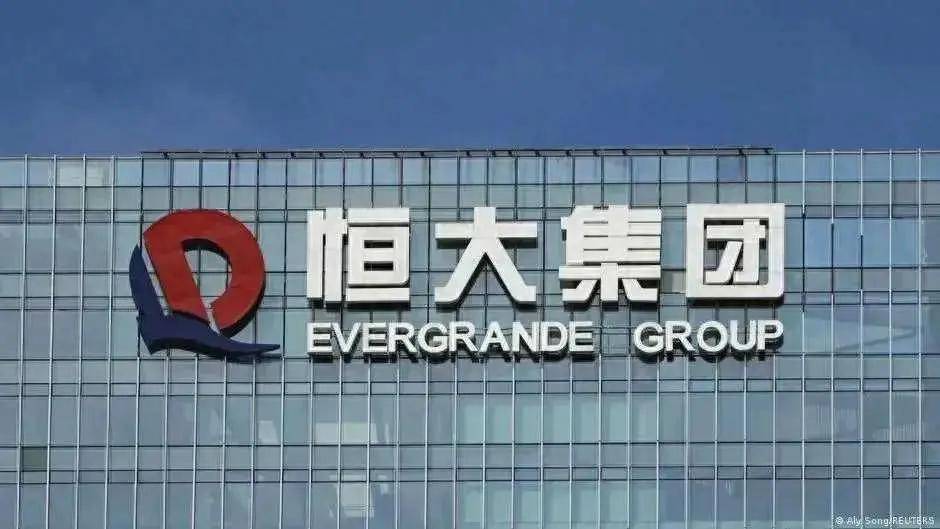
恒大债务问题

Search documents
许家印前妻丁玉梅更多资产曝光
Zheng Quan Shi Bao Wang· 2025-11-26 12:51
Core Viewpoint - The Hong Kong High Court has expanded the asset freeze order against Ding Yumei, the ex-wife of Evergrande founder Xu Jiayin, revealing significant assets held in various jurisdictions totaling approximately $220 million (about 1.56 billion RMB) [1][2]. Group 1: Asset Freeze and Legal Proceedings - The Hong Kong High Court approved an application to expand the asset freeze against Ding Yumei, adding $220 million in assets located in Canada, Gibraltar, Jersey, and Singapore [1]. - The assets include CAD 100 million (approximately 503 million RMB) in a Royal Bank of Canada account, $71 million (approximately 503 million RMB) in a Singapore bank account, $57.6 million (approximately 408 million RMB) in a Swiss bank account, and £675,000 (approximately 6.3 million RMB) in a Barclays account in Jersey [1]. - The asset freeze is part of a broader legal strategy initiated by Evergrande in response to its ongoing liquidation process and the need to secure its financial interests [2]. Group 2: Company Status and Market Implications - Evergrande's delisting from the Hong Kong Stock Exchange was finalized on August 20, 2023, with no intention to appeal the decision [3]. - The company has faced significant legal and financial challenges, including a forced measure against Xu Jiayin for alleged criminal activities and administrative penalties related to fraudulent bond issuance [3]. - The delisting does not equate to bankruptcy, as Evergrande continues to grapple with a massive debt structure that affects its operations and obligations to stakeholders [3].
恒大退市,遗留的三大问题
吴晓波频道· 2025-08-27 00:29
Core Viewpoint - The delisting of Evergrande from the Hong Kong Stock Exchange marks the end of its presence in the capital market, but the underlying issues involving creditors, investors, and homebuyers remain unresolved and increasingly complex [2][8]. Group 1: Company History and Financial Performance - Evergrande was listed on November 5, 2009, becoming the largest private real estate company in Hong Kong. By 2016, it achieved sales of 373.4 billion yuan, becoming the industry leader with total assets exceeding 1 trillion yuan, and entered the Fortune Global 500 [4]. - Since 2020, Evergrande has faced significant financial difficulties, with a debt exceeding 2.4 trillion yuan and record losses of over 800 billion yuan over two years. The company also faced allegations of financial fraud, inflating revenues by over 560 billion yuan and profits by over 90 billion yuan [5][6]. Group 2: Debt Repayment Challenges - Evergrande's debt structure is complex, involving various creditors including banks, trusts, suppliers, and overseas bondholders. The company has been unable to reach an agreement with all creditors, leading to a court-ordered liquidation in January 2024 [10][12]. - As of July 31, 2025, the liquidators received 187 claims totaling approximately 350 billion Hong Kong dollars (about 45 billion USD), while the value of directly controlled assets was around 27 billion Hong Kong dollars (about 3.5 billion USD) [11]. Group 3: Asset Liquidation and Legal Issues - The liquidation process is complicated by Evergrande's extensive corporate structure, which includes over 3,000 legal entities across multiple jurisdictions and approximately 1,300 ongoing projects in over 280 cities [12]. - The liquidators are prioritizing the sale of Evergrande's property management assets to maximize creditor recovery and have initiated legal actions against key executives to recover approximately 6 billion USD in dividends and compensation paid between 2017 and 2020 [13][19]. Group 4: Progress on Home Delivery - Evergrande has made progress in delivering homes, with over 1.2 million units completed and delivered since the debt crisis began in 2021. The company claims that over 95% of sold residential units have been built and delivered [16][17]. - The Chinese government has intervened to ensure homebuyers' rights are protected, emphasizing that funds must be used to complete home deliveries rather than being diverted to creditors [17]. Group 5: Executive Accountability - Legal actions against executives, including founder Xu Jiayin and former executives, are ongoing, with asset freezes in place to prevent the transfer of wealth during litigation [20][24]. - The actions of Xu Jiayin and his ex-wife, who are under scrutiny for potential asset concealment, highlight the challenges in recovering funds for creditors [21][22].


许家印身上到底有多少秘密?
Sou Hu Cai Jing· 2025-08-07 02:36
Core Viewpoint - The article discusses the dramatic shift in public perception of Xu Jiayin, the chairman of Evergrande Group, from a celebrated figure to one surrounded by secrets and controversies following the company's financial collapse. Group 1: Financial Situation - Evergrande has accumulated a staggering debt of 2.8 trillion yuan, leading to its classification as China's "first debtor" [3] - During the restructuring period, it was reported that 50 billion yuan in cash was secretly siphoned off, raising concerns about financial misconduct [3] Group 2: Public Image and Secrecy - Prior to the financial crisis, Xu Jiayin was viewed as a prominent and successful businessman, but this image has been tarnished, revealing a series of hidden issues [3][5] - The article highlights the challenges in uncovering the secrets surrounding Xu Jiayin, suggesting that they may be deeply buried in various domains such as culture, wealth, and debt [5] Group 3: Investigative Challenges - Identifying the individuals connected to Xu Jiayin's secrets poses significant difficulties, as many have been involved in financial dealings with him [7] - The article suggests that a combination of judicial, administrative, and social methods will be necessary to effectively uncover the secrets associated with Xu Jiayin [7]