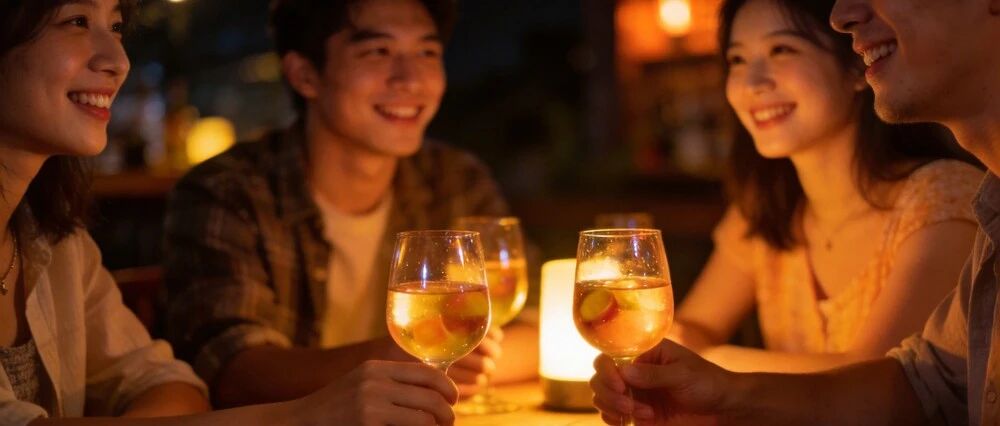
悦己式饮酒

Search documents
不应酬、不敬酒、不喝醉,00后的酒桌真“不登”了?
虎嗅APP· 2026-03-22 13:45
Core Viewpoint - The article discusses the shift in lifestyle preferences among younger generations in China, emphasizing a move towards a "low-key life" characterized by lower social pressures, reduced consumption, and a focus on personal well-being rather than high-intensity living [4][6][8]. Group 1: Changing Drinking Culture - Younger generations are opting for lower-alcohol beverages not just for health reasons but as a lifestyle choice, reflecting a broader philosophy of living more slowly and lightly [6][15]. - The traditional drinking culture, which emphasized high alcohol content as a measure of social standing and business acumen, is being challenged by a new generation that values personal comfort and emotional well-being over societal expectations [10][13]. - The rise of low-alcohol and non-alcoholic beverages indicates a significant cultural shift, with 83% of young people preferring drinks with an alcohol content below 20% [23]. Group 2: Social Dynamics and Personal Choices - The concept of "sitting village" reflects a desire for genuine social interactions without the pressures of traditional drinking customs, allowing individuals to be themselves in a relaxed environment [20]. - The changing dynamics of family gatherings and social events show a trend where younger individuals are bringing their own beverage choices, thus redefining social norms around drinking [14][15]. - The market is responding to these changes, with new types of venues and consumption experiences emerging that cater to the preferences of younger consumers [20][21]. Group 3: Broader Implications for Lifestyle - The article highlights a broader societal trend where young people are rejecting the fast-paced, high-pressure lifestyle in favor of a more measured approach to life, which includes their drinking habits [26]. - This shift is not merely about alcohol consumption but represents a larger movement towards reclaiming personal agency and prioritizing mental health and well-being [26]. - The emphasis on "micro-drinking" and the enjoyment of beverages for their taste and social value rather than for their intoxicating effects signifies a fundamental change in how alcohol is perceived and consumed [23][24].