感知与行动一体化

Search documents
一场关于家的自动化实验:家务机器人的模式分野
机器人大讲堂· 2026-01-11 09:39
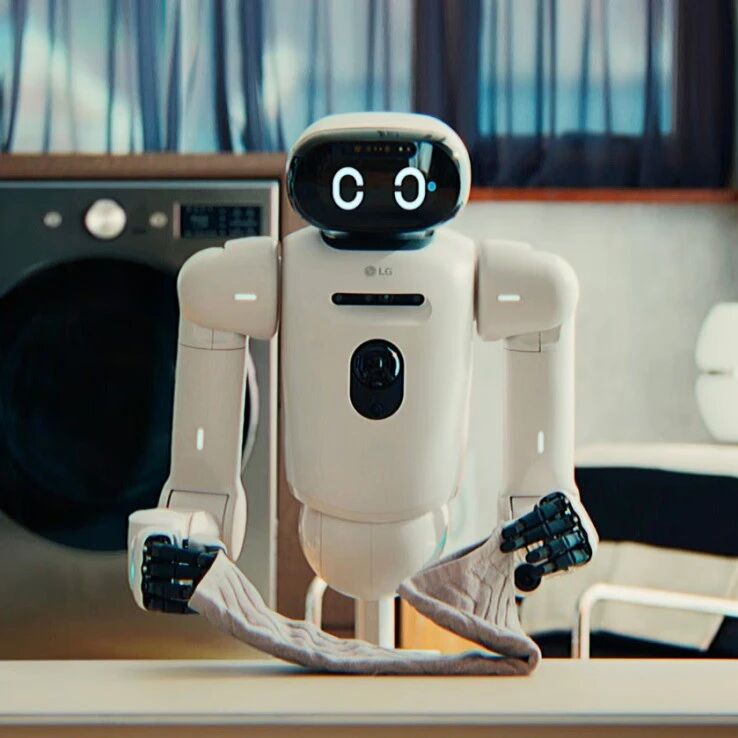
Core Viewpoint - The emergence of household robots is driven by the increasing demand for time-saving solutions in dual-income families and the growing need for improved living quality, leading to a significant market opportunity in the home service sector [2][3]. Market Demand and Technology - The global household service robot market is projected to reach a scale of over $10 billion by 2025, with a compound annual growth rate (CAGR) exceeding 25%, expected to surpass $100 billion by the early 2030s [3]. - The Chinese home service market has exceeded 1 trillion yuan, with a consumption penetration rate of 81.69%, highlighting a substantial demand-supply gap in the industry [2]. Technological Evolution - The integration of large language models with robotics is enabling machines to understand vague commands and autonomously plan tasks, marking a shift from simple execution to task comprehension [4]. - Robots are evolving from isolated tools to intelligent agents capable of managing complex three-dimensional home environments, enhancing their functionality beyond basic cleaning tasks [4]. Pathways and Future Directions - **Home Collaboration Hub**: LG's CLOiD robot exemplifies a "Zero Labor Home" strategy, acting as a mobile control center that integrates with smart home systems to automate household tasks [5][7]. - **General Household Assistant**: 1X Technologies' Neo robot, powered by OpenAI's model, aims to serve as a versatile household assistant capable of understanding complex user requests and providing personalized solutions [8][10]. - **Professional Cleaning Expert**: Companies like Roborock are focusing on specialized cleaning robots that can navigate and manage three-dimensional spaces, showcasing a practical approach to addressing specific household pain points [11][13]. Future Landscape - The future of household automation is envisioned as a mixed ecosystem where specialized robots dominate the market, addressing specific needs while humanoid robots validate their reliability in controlled environments [19][20]. - The ultimate goal is to create a lightweight AI hub that understands user intentions, supported by various specialized robots executing tasks efficiently, shifting the focus from owning a single robot to enjoying seamless service [19][20].