戈壁农业

Search documents
张掖临泽:葡萄延后萄农欢
Xin Lang Cai Jing· 2026-01-21 04:05
Core Viewpoint - The article highlights the successful implementation of delayed cultivation techniques for grapes in Linze County, which allows for off-season production and enhances the quality and marketability of the grapes [1][2]. Group 1: Technological Innovations - The Linze County Xinxin Grape Cooperative employs innovative practices such as artificial weeding, sticky insect boards, and organic fertilizers to ensure grape quality and promote ecological pest control [1] - The success of delayed grape cultivation relies on technological innovation and standardized management, including measures to delay bud sprouting and enhance photosynthesis [1] Group 2: Market Strategy - Linze County has adopted a development strategy focused on "more sunlight, less water, new technology, and high efficiency," targeting the off-season fresh grape market [2] - The county has established a seasonal supply structure, providing facility-grown grapes for New Year and Spring Festival markets while meeting daily market demands with open-field grapes [2] Group 3: Industry Structure - The county has developed an industrial system based on the "company + base + farmer" model, fostering partnerships between large enterprises and local farmers [2] - Currently, the total grape cultivation area in Linze County is 16,000 acres, with an annual production of 9,930 tons and a production value of 50.1383 million yuan [2]
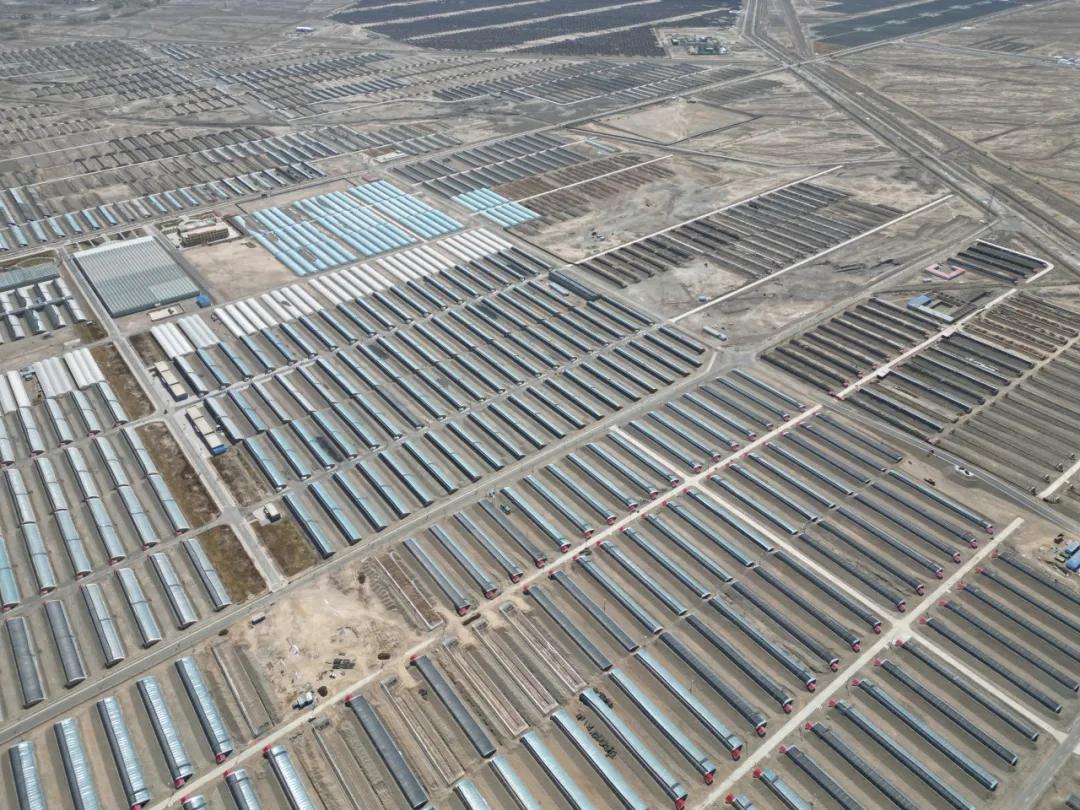
荒漠新生,水发神农戈壁现代农业产业园种出“红色希望”
Qi Lu Wan Bao· 2025-09-01 10:25
Core Insights - The transformation of the Gobi Desert in Gansu's Jiuquan into a modern agricultural hub is a significant achievement, showcasing the successful implementation of advanced agricultural practices in a challenging environment [1][4][6] Group 1: Agricultural Development - The Water and Agricultural Technology Park has established 476 solar greenhouses and operates over 300 additional greenhouses, creating 400 jobs and increasing the income of 350 local farmers [1][4] - The park covers an area of 3,000 acres and produces approximately 2,000 tons of tomatoes annually, filling market gaps during off-peak seasons in other regions [4][8] Group 2: Environmental Challenges - The region faces extreme environmental conditions, including an annual rainfall of only 87 millimeters, high soil salinity, frequent sandstorms, and temperature fluctuations of up to 40°C [4][6] - Workers endure harsh conditions, with summer temperatures reaching 42°C and winter lows dropping to -28°C, highlighting the resilience required for successful farming in this area [4][6] Group 3: Technological Integration - The park employs smart management systems to monitor greenhouse conditions, ensuring optimal growth environments through precise control of temperature and humidity [6][8] - Innovative techniques such as bee pollination and intelligent irrigation systems are utilized to enhance crop yield and quality, demonstrating a commitment to sustainable agricultural practices [6][8] Group 4: Value Chain Extension - The agricultural model includes a complete value chain from seedling cultivation to packaging and sales, with a dedicated 16-acre seedling base and a sorting and storage center [8] - The park has developed the "Qilian Snow" brand and collaborates with various distribution channels, including e-commerce and live-streaming platforms, to enhance market reach and reduce losses for farmers [8]