战争伦理

Search documents
岛上的奥登
Jing Ji Guan Cha Bao· 2025-09-19 11:02
Core Insights - The biography "The Island: War and Belonging in Auden's England" focuses on the formative years of poet W.H. Auden in England, particularly highlighting his choice to portray Caliban in a school play, symbolizing his future identity as a poet [1][2] Group 1: Themes of Freedom and Identity - Caliban represents a complex figure of natural man, embodying both the desire for freedom and the struggle against oppression, which Auden relates to modern society's natural individuals [2][3] - Auden emphasizes the need for self-education and personal growth, rejecting mediocrity and striving for a higher moral ground, akin to the spirit of Caliban [2][3] - The tension between personal freedom and national identity is explored, as Auden grapples with his British identity, which he finds to be more complex than traditional social contracts suggest [3][4] Group 2: Historical Context and Influence - The impact of World War I on British nationalism and identity is significant, as the war altered perceptions of patriotism and the romanticized view of rural life [4][5] - The period from the end of the war to Auden's graduation in 1925 is characterized as the "post-war" era, marked by social upheaval and the decline of modernist ideals in Britain [5][6] - Auden's early poetry reflects the struggles of marginalized figures in society, drawing parallels between them and the character of Caliban, who embodies the true strength of a nation [6][7] Group 3: Artistic Evolution and Language - Auden's experiences in post-war Germany and the exploration of sexual freedom influenced his understanding of freedom's costs and ethical foundations [8][9] - His poetry evolved to incorporate everyday language and characters, challenging traditional notions of high poetry and reflecting the realities of ordinary life [9][10] - The later stages of Auden's work focus on the ethical implications of language and the human condition, questioning identity and interpersonal relationships in a fragmented world [10]
震撼!战争史上的第一次:机器人部队俘虏了人类士兵!人类未来何去何从?
机器人大讲堂· 2025-07-16 13:54
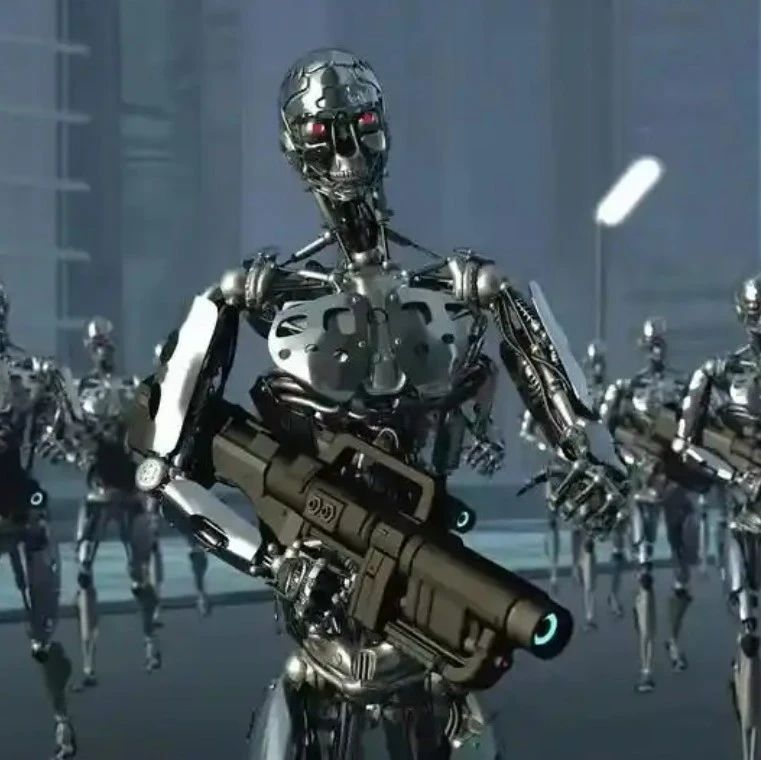
Core Viewpoint - The article discusses a significant event in modern warfare where Ukrainian soldiers surrendered to a war robot, marking a historical moment that challenges traditional concepts of warfare and the ethical implications of using robots in combat [2][5][13]. Group 1: Event Overview - On July 10, Ukrainian forces, specifically the Third Independent Assault Brigade, executed an unprecedented attack using ground robots and FPV drones, leading to the surrender of Russian soldiers to a robot [3][5]. - This operation is noted as the first confirmed instance in modern warfare where an attack led by fully unmanned platforms successfully captured enemy combatants [5][6]. Group 2: Technological Advancements - Ukraine has integrated low-cost FPV drones, ground robots, and AI munitions into a lethal "unmanned network," showcasing remarkable effectiveness in reconnaissance, strikes, and capturing enemy forces [5][6]. - Plans are in place to deploy 15,000 ground robots by 2025, with over 70 different types being developed, alongside a significant increase in drone production from thousands in 2022 to 200,000 by 2024 [5]. Group 3: Ethical and Legal Implications - The emergence of humanoid robots on the battlefield raises serious ethical and legal concerns, as these robots could potentially replace soldiers in complex combat scenarios [9][10]. - The Chinese military has expressed concerns regarding the use of humanoid robots in warfare, emphasizing the psychological and legal ramifications of their deployment [10][11]. - The article argues for a need to reform existing laws and ethical guidelines governing the use of robots in warfare, stressing the importance of adhering to principles that prioritize human safety and moral conduct [11][13]. Group 4: Future Considerations - The event of surrendering to a robot signals the dawn of a new era in warfare, where unmanned systems not only assist but can lead combat operations [13][14]. - The potential militarization of humanoid robots could ignite a global debate on warfare ethics, human control, and the essence of humanity itself [13][14].